
Why Professional Roof Repair Matters in San Diego
When a roof starts showing problems, the temptation to handle it yourself — or hire the cheapest person available — is understandable. But roofing mistakes are expensive to undo, and in San Diego's regulated construction environment, unlicensed work can create legal and insurance complications that cost far more than a professional repair would have.
Here's why professional roofing service matters, and what separates a qualified contractor from someone who just owns a ladder.
The Safety Reality
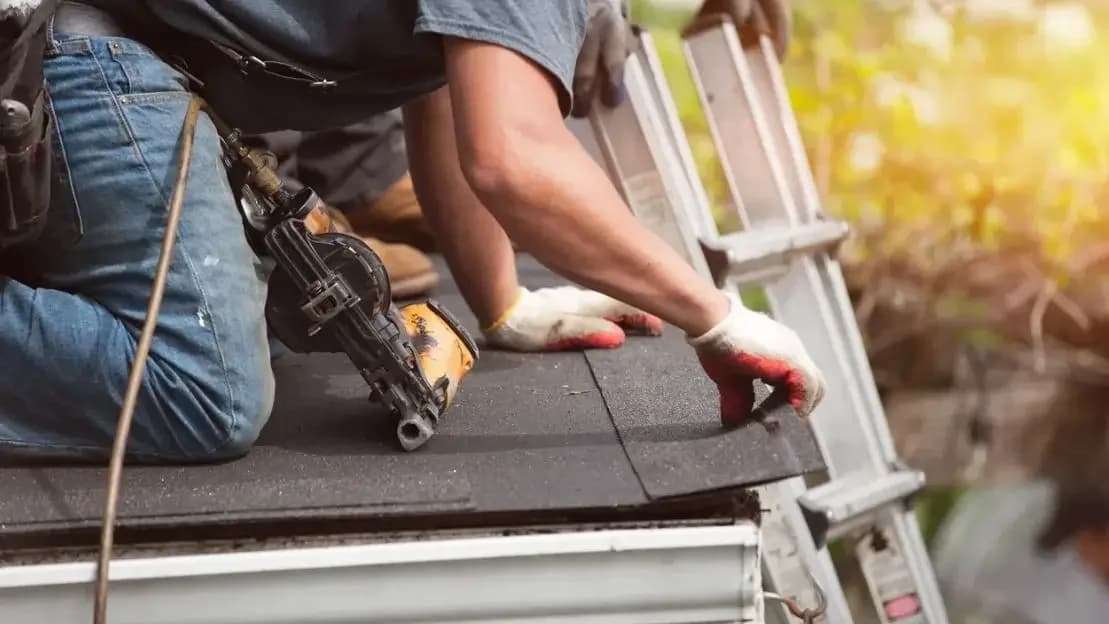
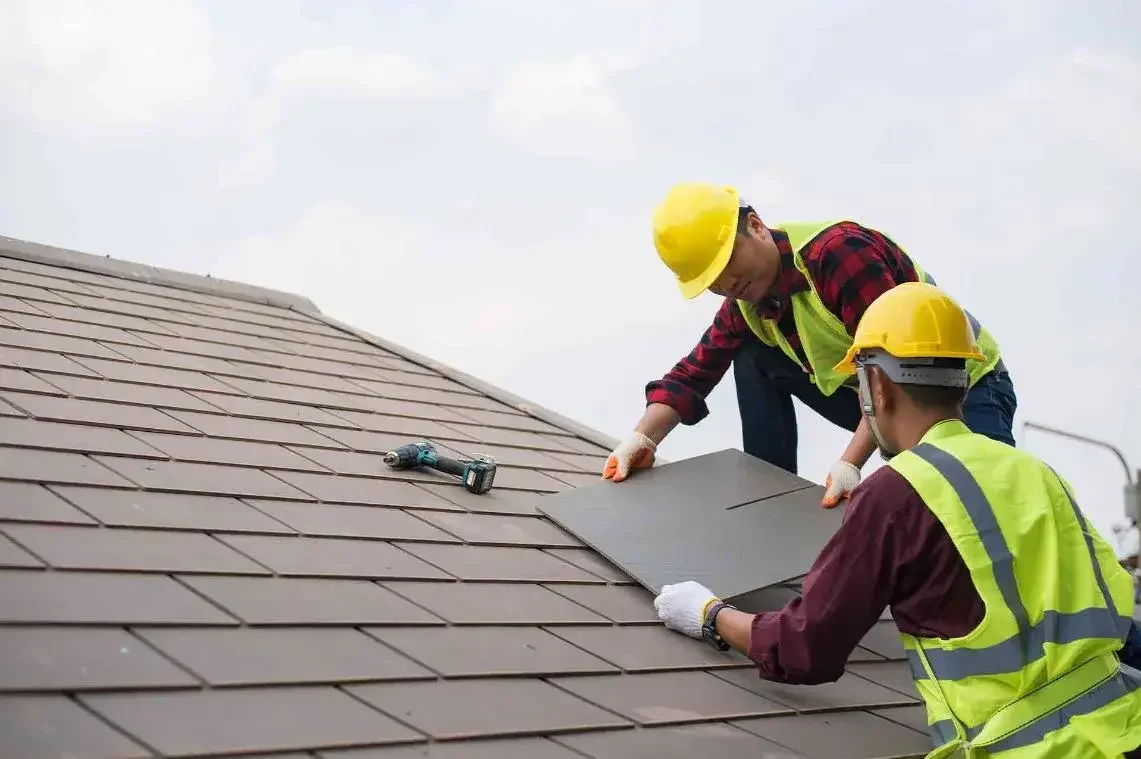
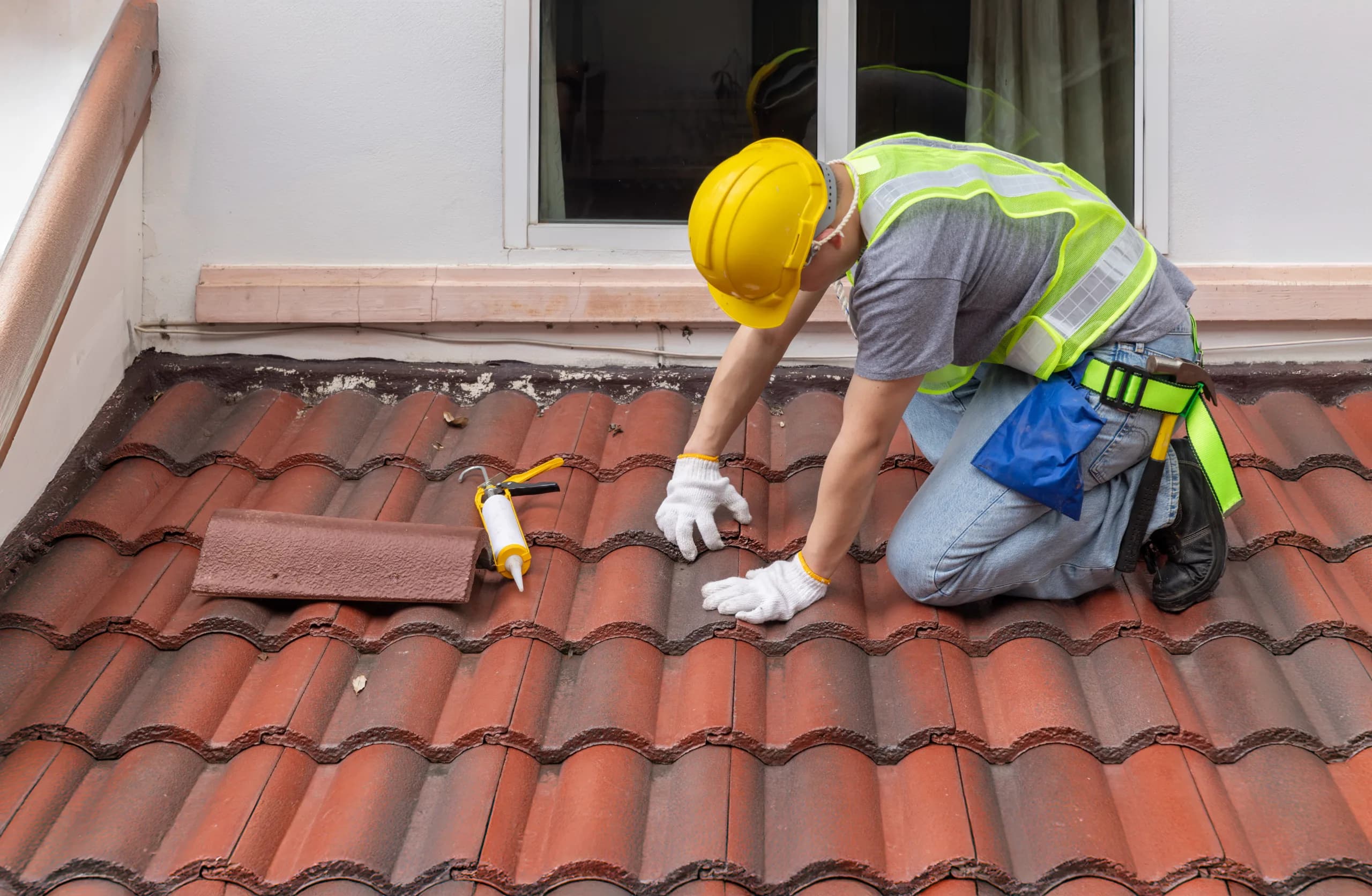
Falls are the leading cause of fatal injuries in the construction industry. Roofing is one of the highest-risk trades. Professionals mitigate this with:
- Proper fall protection systems (harnesses, anchor points, safety lines)
- Trained crew who understand roof safety protocols
- Workers' compensation insurance that covers injuries — so you're not liable
When you hire an uninsured worker who falls on your property, you may be legally and financially responsible for their medical bills. In California, property owners can be held liable for injuries to unlicensed contractors working on their property.
Licensing Requirements in California
California requires a C-39 Roofing Contractor License for any roofing work over $500, including labor and materials. This isn't arbitrary — the C-39 license requires:
- Documented field experience (at least 4 years)
- Written examination on roofing methods, materials, and codes
- Active insurance coverage
You can verify any contractor's license status at cslb.ca.gov. A license in good standing means the contractor has passed background checks, met experience requirements, and carries required insurance.
Working with an unlicensed contractor puts you at risk:
- Unpermitted work may need to be torn out and redone to pass inspection
- Insurance claims may be denied if work was done by an unlicensed contractor
- No recourse through the Contractors State License Board if work is defective
Proper Diagnosis vs. Surface Treatment
Professional roofers are trained to find where problems actually originate — not just where the symptoms appear. Water intrudes at one point and travels along rafters, sheathing, and insulation before dripping through the ceiling somewhere else.
An inexperienced repair person patches where the ceiling is wet. A professional traces the leak to its actual source and addresses the underlying cause.
This distinction matters enormously for outcomes. A patched-over leak source that isn't actually fixed will leak again — typically within the same rainy season.
Code Compliance and Permits
Many roofing repairs and all full replacements in San Diego County require permits. The permit process includes:
- Plan review to verify the proposed work meets current code
- Inspection of completed work before sign-off
Permitted work is documented and legally compliant. Unpermitted work:
- May not be insurable in a homeowner's insurance claim
- Becomes a disclosure obligation when selling the home
- May require correction (tear-out and redo) if discovered during a home sale inspection
Professional contractors handle permits. Unlicensed workers almost never do.
Material Quality and Manufacturer Warranties
Licensed contractors with manufacturer certifications have access to better warranty programs. A GAF Master Elite contractor, for example, can offer system warranties that cover both materials and labor — and these warranties transfer to new owners at sale.
These warranties aren't available to unlicensed installers or homeowners doing their own work, regardless of the quality of the material purchased.
In San Diego's real estate market, a transferable manufacturer warranty is a meaningful selling point that can justify the cost of professional installation many times over.
Long-Term Value
The cheapest repair isn't the best value if it fails within a year. Professional contractors:
- Use materials appropriate for San Diego's climate and your specific roof type
- Follow manufacturer installation requirements that preserve warranty coverage
- Provide written warranties on their workmanship
- Can be held accountable through licensing boards if work is defective
Over a 10-20 year period, a home maintained by qualified licensed contractors typically costs less in total roofing expenditure than one with repeated cheap repairs that fail and require re-repair.
Maintenance Services a Professional Provides
Beyond one-time repairs, professional roofing contractors offer:
Annual inspections — Catching problems early, before they become expensive failures. An inspection typically costs $150-$300 and can prevent thousands in repair costs.
Pre-storm season checks — Identifying vulnerable areas before San Diego's winter rains. Inspecting flashing, seals, pipe boots, and drainage.
Post-storm assessment — After significant wind or rain events, checking for damage that may not be immediately visible.
Gutter maintenance — Cleaned and inspected gutters prevent water backup at eaves that leads to fascia rot and roof edge deterioration.
Finding a Qualified Contractor
When evaluating roofing contractors in San Diego:
- Verify the C-39 license at cslb.ca.gov — check that it's current and in good standing
- Confirm insurance — request a certificate of general liability and workers' comp
- Check manufacturer certifications — GAF Master Elite, CertainTeed SELECT ShingleMaster, or equivalent
- Get written estimates — itemized, including materials, labor, and warranty terms
- Check references — recent San Diego County projects similar to yours
- Verify permit handling — a professional contractor should pull permits and manage inspections
Service Areas
Peak Builders & Roofers of San Diego provides professional roofing services throughout San Diego County, including San Diego, Chula Vista, El Cajon, La Mesa, Santee, Lakeside, Spring Valley, Lemon Grove, National City, and more.
Work With a Qualified Professional
Don't risk an unlicensed repair on one of your most valuable assets. Call (619) 330-8185 or visit our contact page. Peak Builders & Roofers of San Diego holds a valid C-39 license, carries full insurance, and is GAF Master Elite certified — serving San Diego County since 1999.