Roof Restoration in San Diego: When Replacement Isn't Necessary
Roof restoration is one of the least-understood options available to San Diego homeowners. It occupies a valuable middle ground between ongoing repairs and full roof replacement — and for the right roof, it can extend service life by a decade or more at a fraction of replacement cost.
What Roof Restoration Actually Is
Roof restoration is a process that addresses the deterioration of an aging roof system without removing and replacing it. It involves:
- Cleaning the existing roof surface to remove dirt, biological growth, and loose material
- Repairing all damaged areas — failed seams, cracked tiles, damaged flashing, deteriorated pipe boots
- Applying a protective coating or treatment that renews the waterproofing capacity of the existing membrane or surface
The goal is to extend the functional life of the roof by 10-20 years depending on the system and initial condition, while preserving the existing structure and avoiding the waste and cost of a full tear-off.
How It Differs from Repair and Replacement
Repair addresses specific isolated damage — a cracked tile, a failed seam, a leaking pipe boot. It doesn't address broad deterioration or renew the overall system.
Replacement involves removing the entire existing roof system down to the deck, inspecting and repairing the deck, and installing all new materials. It's the highest cost but provides a fresh start.
Restoration is comprehensive — it addresses all existing damage AND applies a renewal treatment to the whole system. It costs more than a typical repair but significantly less than replacement.
Roofing Systems That Can Be Restored
Not all roofs are candidates for restoration. The best candidates are systems that are:
- In structurally sound condition (sound deck, sound membrane, no widespread moisture intrusion)
- Past their prime but not yet failed (typically 10-20 years old depending on the system)
- Showing wear, UV degradation, or surface deterioration without structural compromise
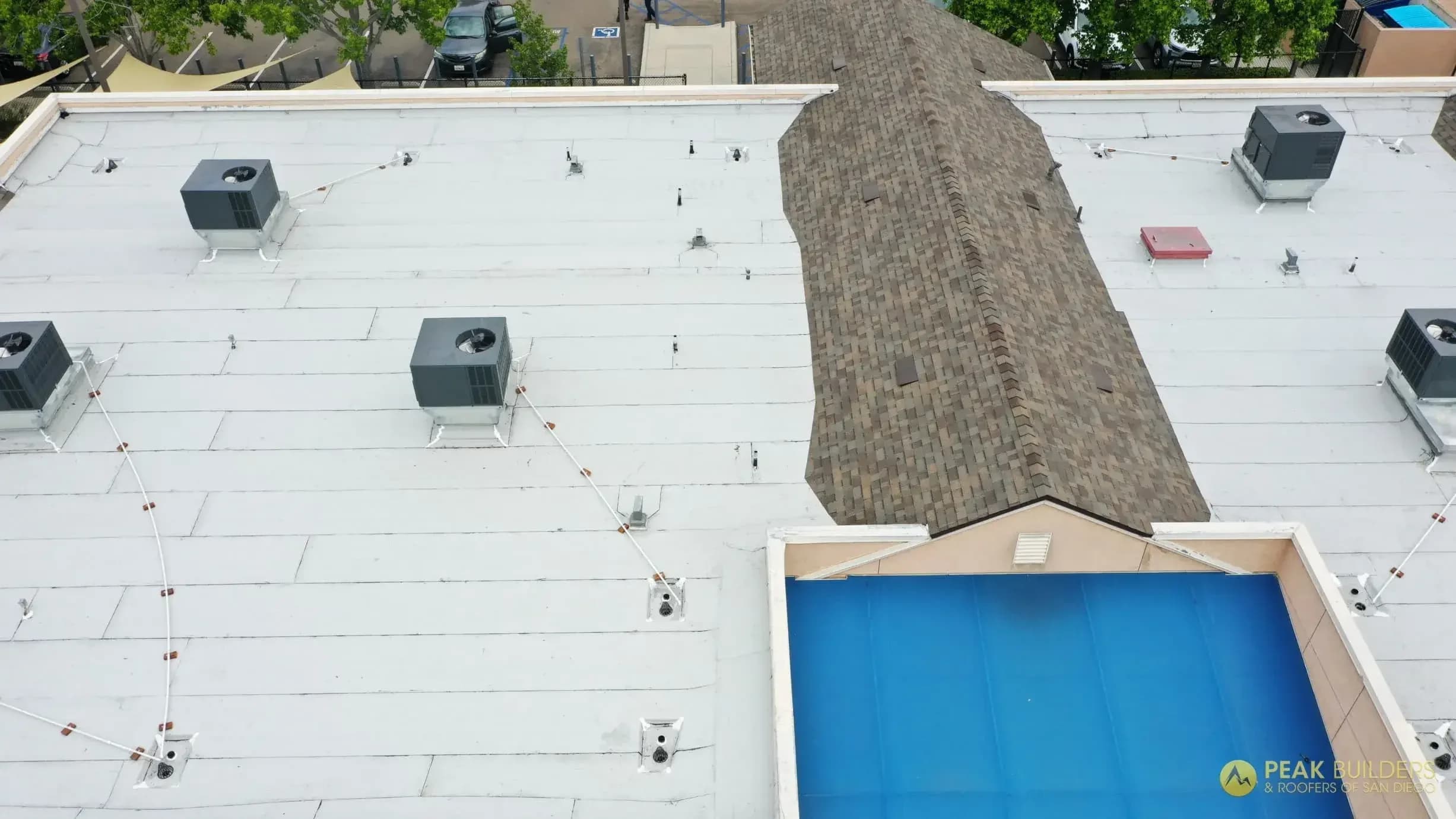
Flat roof systems (TPO, modified bitumen, EPDM) are the most common restoration candidates in San Diego. A flat roof coating system applied over a repaired membrane is the classic restoration approach.
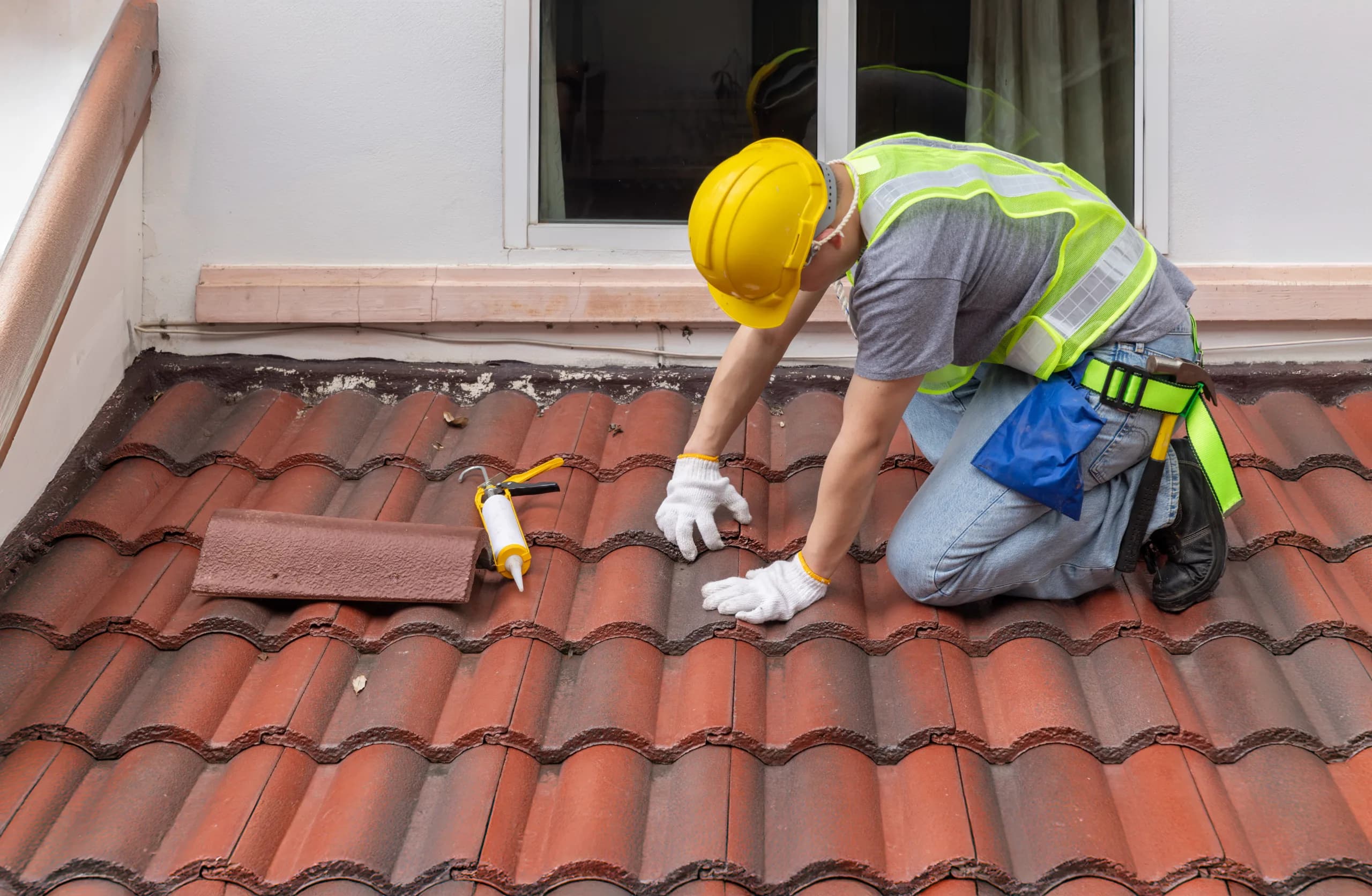
Tile roofs can be restored through:
- Resealing or re-bedding ridge and hip tiles that have lost their mortar
- Replacing broken or missing tiles
- Cleaning and sealing the tile surface
- Replacing deteriorated underlayment in targeted sections
Metal roofing is a strong restoration candidate because the metal itself rarely fails — it's the coatings, fasteners, and seams that deteriorate. A metal roof restoration cleans, primes, seals fasteners and seams, and applies a new protective coating.
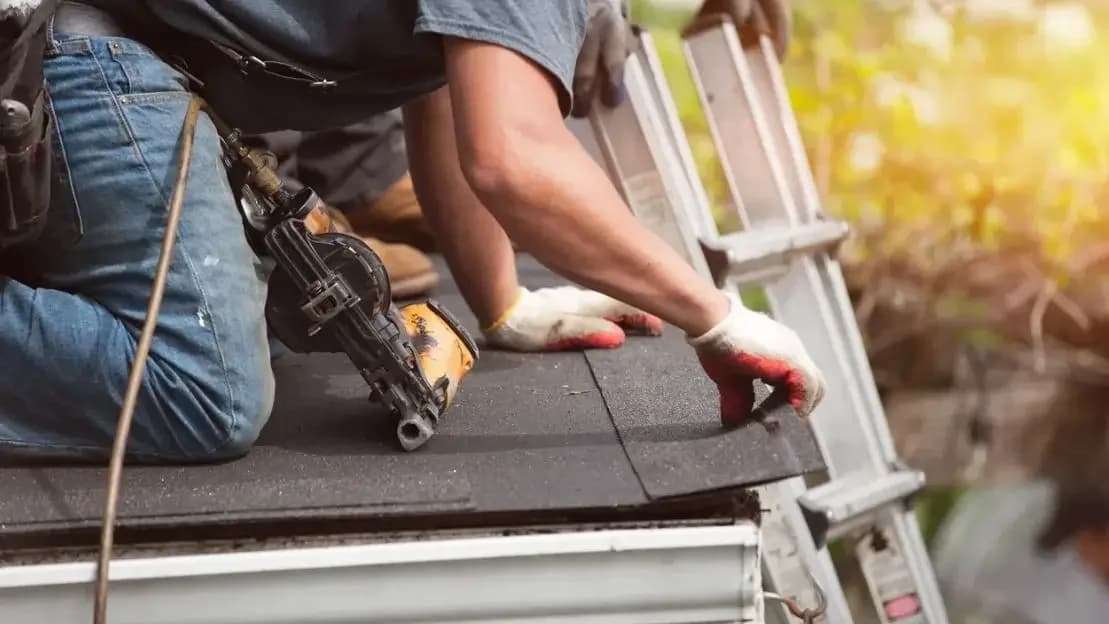
Shingle roofs are harder to restore because granule loss and brittleness are difficult to reverse. Spot repairs are possible, but widespread deterioration in asphalt shingles usually points toward replacement rather than restoration.
When Restoration Makes Sense
Restoration is appropriate when:
- The roof deck is dry and structurally sound (confirmed by inspection)
- The primary membrane or surface material is intact — not delaminated, not widespread blistering
- The roof still has 5-10 years of potential life with intervention
- The homeowner plans to stay in the property for 10+ more years
Restoration does NOT make sense when:
- Moisture has penetrated and is trapped in the roof assembly
- The deck itself is rotted or soft in multiple areas
- The system is at total end of life with no remaining structural integrity
- The homeowner plans to sell soon (restoration doesn't provide the same peace-of-mind premium for buyers that a new roof does)
The Restoration Process for San Diego Flat Roofs
Phase 1: Inspection and moisture assessment A professional roofer inspects the membrane, all penetrations, seams, and drains. In cases of suspected moisture intrusion, an infrared scan or probe sampling can identify wet areas.
Phase 2: Drain cleaning and drainage correction Clogged drains that cause chronic ponding are addressed before any coating work begins.
Phase 3: Repairs All seam failures, blistered areas, damaged penetration flashings, and edge metal issues are repaired.
Phase 4: Cleaning Pressure washing removes contamination. The surface must be fully dry before coating.
Phase 5: Primer (if required) Coating adhesion depends on proper primer for the substrate type.
Phase 6: Coating application Two-coat application of a compatible elastomeric coating — silicone for ponding-prone roofs, acrylic for well-drained systems, polyurethane for high-traffic areas.
Restoration Cost vs. Replacement Cost in San Diego
| Roof Size | Restoration Cost | Replacement Cost |
|---|---|---|
| 500 sq ft flat roof | $1,800–$3,500 | $4,000–$6,500 |
| 1,000 sq ft flat roof | $3,000–$6,000 | $7,000–$11,000 |
| 2,000 sq ft flat roof | $5,500–$10,000 | $13,000–$20,000 |
Restoration typically costs 40-60% of equivalent replacement, and when the roof is structurally sound, the performance life extension is comparable.
Service Areas
Peak Builders & Roofers of San Diego provides roof restoration services throughout the county, including San Diego, Chula Vista, El Cajon, La Mesa, Santee, Lakeside, Spring Valley, Lemon Grove, National City, and more.
Is Your Roof a Restoration Candidate?
Call (619) 330-8185 or visit our contact page for a free inspection. We'll honestly tell you whether your roof is a good candidate for restoration — or whether replacement makes more sense for your situation. GAF Master Elite certified, C-39 licensed, serving San Diego County since 1999.