Wood Shingle Replacement: When and How to Do It Right
Wood shingles and shakes were once the dominant roofing material across California. Many San Diego homes — particularly Craftsman bungalows, older ranch homes, and properties in established neighborhoods — were originally roofed with Western Red Cedar. As these roofs age, homeowners face a decision: replace like-for-like, convert to a different material, or restore.
This guide covers everything you need to know about wood shingle and shake replacement in San Diego.
Wood Shingles vs. Wood Shakes: What's the Difference
Wood shingles are sawn on both sides — smooth, uniform, tapered from thick at the butt to thin at the top. They have a clean, flat appearance.
Wood shakes are split on one or both faces, creating a rougher, more textured surface. Handsplit and resawn shakes are the most common type — split face exposed, sawn back for uniform thickness.
Both are typically made from Western Red Cedar, though pine and redwood are also used. Cedar is the preferred material for roofing because of its natural oils, dimensional stability, and resistance to decay.
Fire Code Challenges in California
This is the most important consideration for San Diego homeowners. California's fire codes — and specifically local San Diego requirements in WUI (Wildland-Urban Interface) zones — have significantly restricted untreated wood roofing:
Class A fire rating is required in most California fire hazard severity zones. Untreated cedar shingles and shakes are Class C or unrated — not compliant.
Treatment options:
- Factory-treated cedar with fire retardant achieves Class A or B ratings
- Borate-treated cedar is effective but may need reapplication over time
- Some treatments void manufacturer warranties if improperly applied
Before planning a wood shake replacement, check with the City of San Diego or San Diego County Building Department to confirm what's allowed in your specific zone. In high-fire-risk areas (many hillside communities, canyon edges, backcountry zones), treated wood may be required — or wood may not be permitted at all.
Is Wood Replacement Still the Right Choice?
For a Craftsman home in North Park or a ranch-style home in La Mesa where wood aesthetic is important and fire code permits it, replacing with treated cedar makes sense. For most other situations, consider the alternatives:
Composite/synthetic wood-look shingles — CeDUR, DaVinci Roofscapes, and similar products replicate the appearance of wood shake without fire risk, maintenance requirements, or code complications. They're Class A fire rated, impact resistant, and come with 50-year warranties. Costs are comparable to premium cedar.
Metal shake or shingle profiles — Steel or aluminum panels stamped or formed to mimic wood shake appearance. Class A fire rated, 40-50 year lifespan, very low maintenance. Growing popularity in San Diego.
Asphalt architectural shingles — Some products (Owens Corning TruDefinition Duration, GAF TimberCrest) convincingly replicate the dimensional appearance of wood. Much lower cost, widely permitted everywhere.
The Wood Shingle Replacement Process
If you're proceeding with wood replacement:
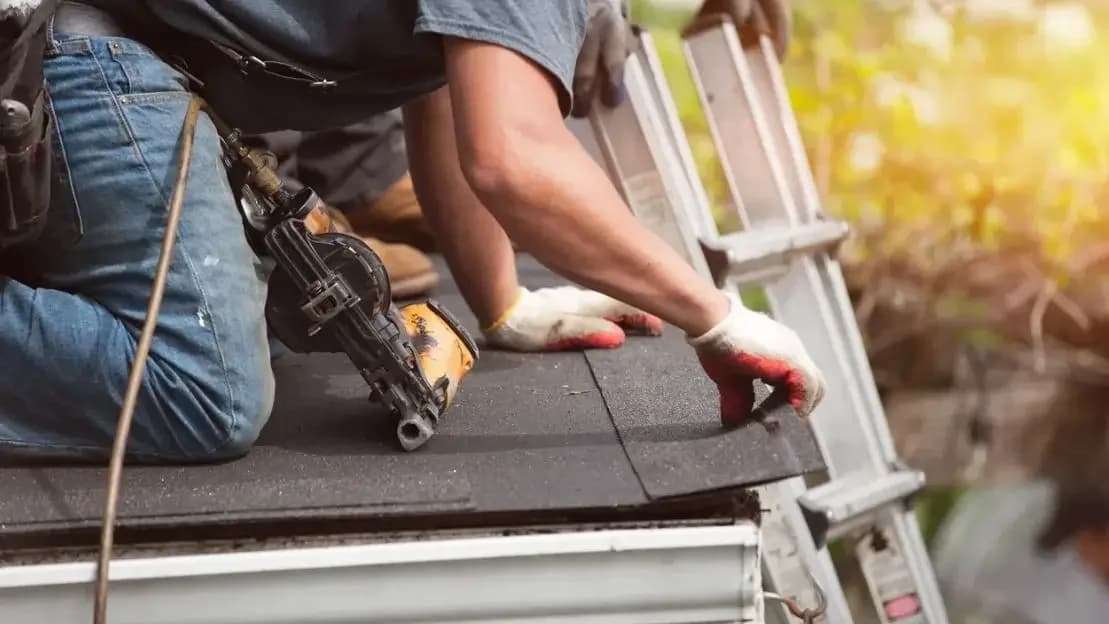
1. Complete tear-off required. Unlike asphalt, wood shingles and shakes cannot be overlaid. A full tear-off to the deck is required.
2. Deck inspection. Wood roofs were historically installed on spaced sheathing (horizontal boards with gaps) rather than solid plywood. Re-roofing with wood shakes typically requires the same or compatible substrate. Re-roofing with a different material may require solid sheathing installation.
3. Underlayment. Modern wood shake installations use a breathable interlayment (30 lb felt or synthetic equivalent) between courses to allow ventilation and moisture escape. This is different from the underlayment used under shingles or tile.
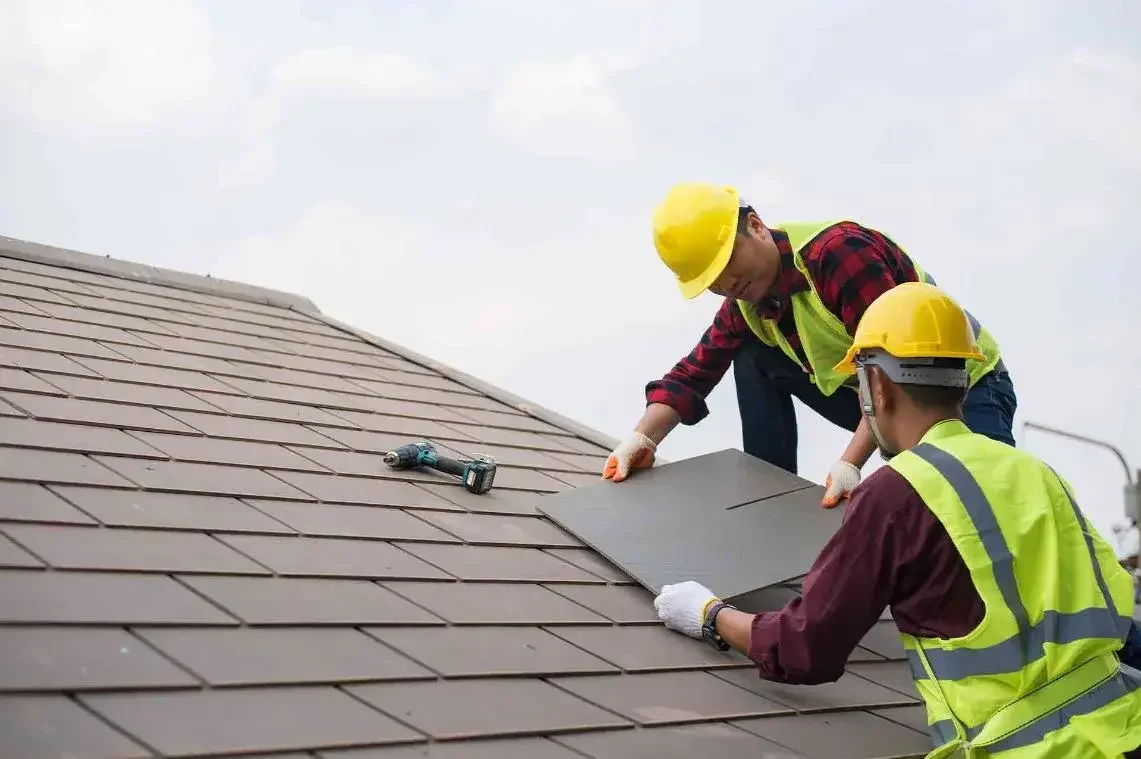
4. Installation. Cedar shakes are installed in courses with proper exposure (the amount of each shake visible), proper side laps, and staggered joints. At ridges, hips, and valleys, specific techniques for water management apply.
5. Permit. Required for full replacement. Fire rating compliance will be verified during the permit process.
Maintenance Requirements for Wood Roofing
Wood requires more active maintenance than tile, metal, or asphalt:
- Annual cleaning: Remove moss, algae, and debris. Organic growth holds moisture against the wood and accelerates decay.
- Preservative treatment: Every 3-5 years, a wood preservative/water repellent should be applied to extend shingle life.
- Individual replacement: Cracked or split shakes should be replaced individually as found — waiting allows water to reach the deck.
- Gutter maintenance: Particularly important with wood roofs, as clogged gutters back water against the eave and fascia.
Expected lifespan with proper maintenance: 20-30 years in San Diego's climate. Without maintenance: 12-18 years.
Cost of Wood Shingle/Shake Replacement in San Diego (2025-2026)
| Scope | Estimated Cost |
|---|---|
| Untreated cedar shake, 1,500 sq ft | $12,000–$20,000 |
| Fire-treated cedar shake, 1,500 sq ft | $15,000–$24,000 |
| Composite wood-look (DaVinci/CeDUR), 1,500 sq ft | $18,000–$28,000 |
| Metal shake profile, 1,500 sq ft | $16,000–$26,000 |
Service Areas
We install and replace wood shingles and alternative wood-look roofing throughout San Diego County, including San Diego, Chula Vista, El Cajon, La Mesa, Santee, Lakeside, Spring Valley, Lemon Grove, National City, and more.
Get a Free Material Consultation
Replacing a wood shake roof involves more decisions than most projects. Call (619) 330-8185 or visit our contact page. We'll walk you through what's allowed in your zone, what alternatives look like, and what each option costs. GAF Master Elite certified, C-39 licensed, serving San Diego County since 1999.