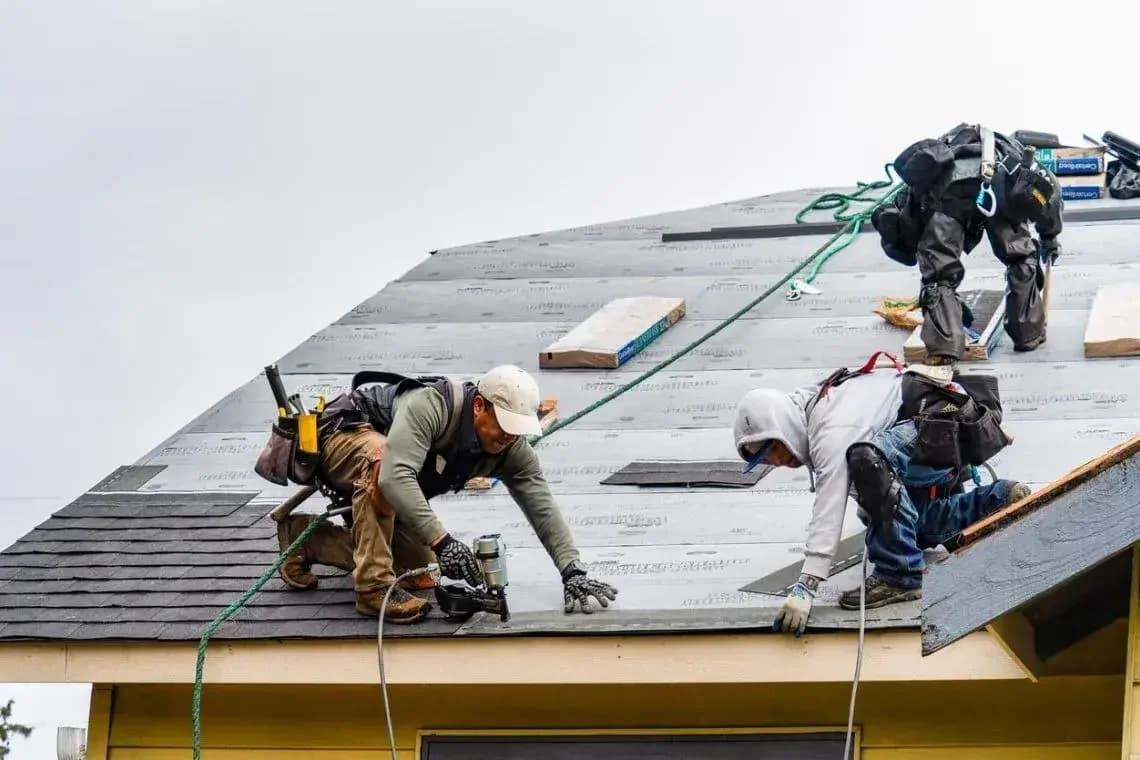
Shingle Roof Repair in San Diego: Techniques and Best Practices
Asphalt shingle roofs are built to last 25-30 years, but they don't do it without some maintenance along the way. Knowing how different types of shingle damage are repaired helps you ask better questions, evaluate contractor proposals, and catch small problems before they become large ones.
This guide covers the main shingle repair techniques used on San Diego roofs, when each one is appropriate, and what a complete repair actually looks like.
Why Proper Technique Matters
A poorly done shingle repair doesn't just fail — it often creates new problems. Improper shingle installation causes lifting edges that funnel water under the repair. Silicone caulk over cracked shingles is a temporary patch at best. Re-nailing done incorrectly can split shingles or miss the decking.
In San Diego, where many homes go years between inspections, a bad repair may not be detected until a rainy season reveals it — months after the contractor is gone.
Understanding what proper repairs look like helps homeowners evaluate their contractors.
Technique 1: Shingle Replacement
When it's used: For shingles that are cracked, broken, curled, cupped, or missing entirely.
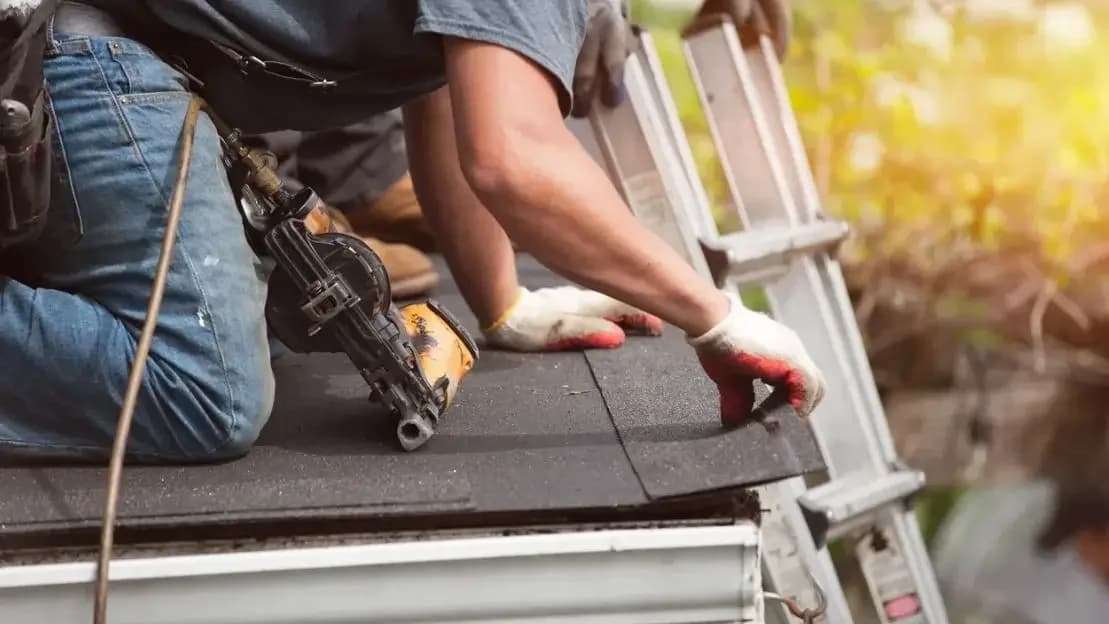
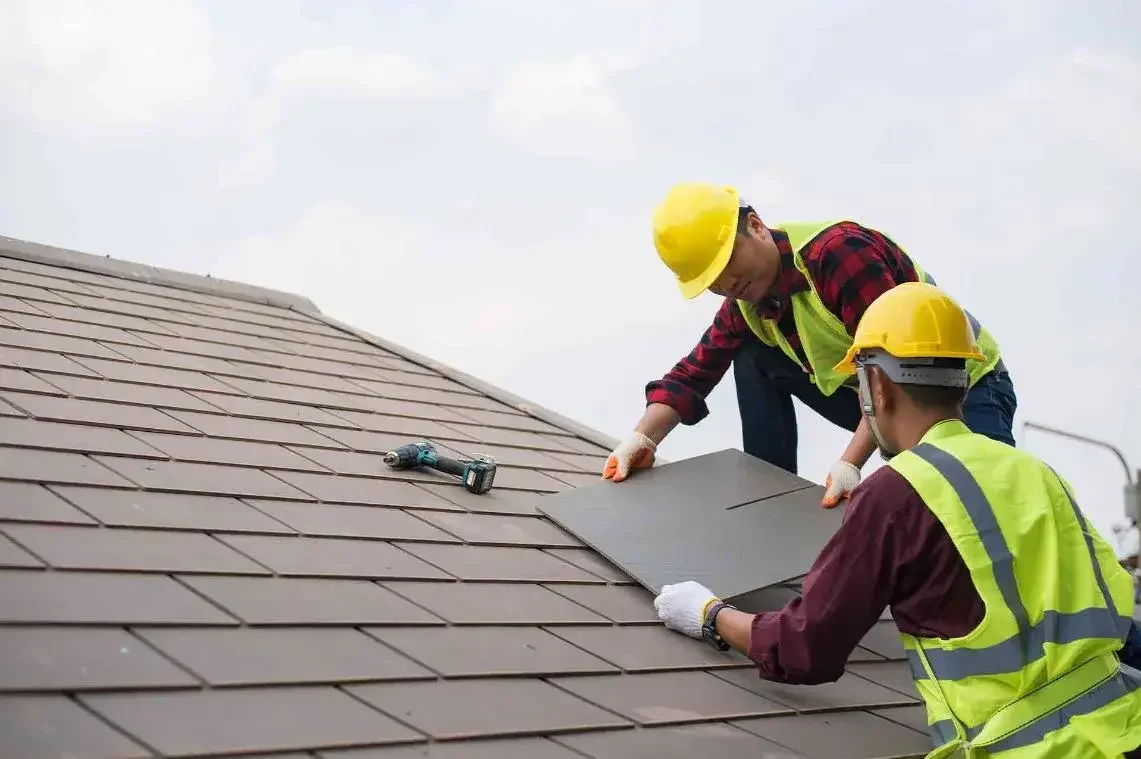
The correct method for replacing shingles is a full removal and reinstallation — not patching over existing material:
- Break the seal between the damaged shingle and the ones overlapping it above
- Carefully remove the nails holding the damaged shingle without disturbing surrounding shingles
- Slide out the old shingle
- Inspect the underlayment beneath for any damage
- Slide in a new shingle that matches the existing material
- Nail at the correct nail zone (per manufacturer specs — usually 4-6 nails)
- Reseal the overlapping shingles and the tabs of the new shingle
What to watch for: Contractors who try to "patch" a cracked shingle with caulk rather than replacing it are providing a temporary fix that will fail. Shingles should be replaced, not patched.
Technique 2: Lifted Shingle Re-Sealing
When it's used: For shingles whose factory adhesive has failed, causing tabs or edges to lift. This is common on older roofs and on south-facing slopes where heat degrades adhesive strips.
The repair involves:
- Cleaning under the lifted section to remove debris and old sealant
- Applying roofing cement (asphalt-based sealant) under the lifted portion
- Pressing the shingle flat and weighting it until the sealant cures
This is a valid repair technique for isolated lifting — but if lifting is widespread across a roof, it indicates the adhesive strips on the entire roof have failed. That's a sign of overall end-of-life, not a spot repair situation.
Technique 3: Flashing Repair at Shingle Edges
When it's used: Leaks at roof edges, valleys, or penetrations often involve flashing failure rather than shingle damage. The shingles may be fine, but water is getting under them where metal flashing has lifted or corroded.
Proper flashing repair:
- Carefully remove shingles over and around the flashing
- Remove the damaged flashing
- Inspect and repair any damage to underlayment and decking in the area
- Install new correctly-lapped flashing
- Reinstall shingles
What to watch for: Caulk applied over existing flashing without removal is a common shortcut. It may hold for a season but doesn't address the underlying problem.
Technique 4: Granule Loss Mitigation
Granule loss is one of the early signs of shingle aging. The mineral granules embedded in the surface of asphalt shingles protect the asphalt from UV degradation. As shingles age, these granules dislodge — you'll see them accumulating in gutters.
There's no way to "repair" granule loss — it can't be reversed. What it tells you is where the roof is in its lifespan. Significant granule loss across the whole roof means replacement is coming. Localized loss from a specific area (hail strike, foot traffic) may indicate a section needs to be replaced.
Technique 5: Pipe Boot Replacement
When it's used: Pipe boots — the rubber collars that seal around plumbing vent pipes — are one of the most common sources of leaks on shingle roofs. The rubber degrades in UV and becomes brittle and cracked, usually around the 10-15 year mark.
Replacement is straightforward:
- Carefully lift shingles around the pipe
- Remove the old boot
- Install a new boot of the correct size
- Reseat shingles around the new boot
Cost is typically $200-$400 per boot including labor. For most homes, there are 2-4 pipe penetrations on the roof.
Technique 6: Valley Repair
When it's used: Valleys — where two roof slopes meet — carry high volumes of water and wear faster than flat roof sections.
Open valley repairs involve:
- Removing the existing valley material (rolled mineral-surface cap sheet or metal flashing)
- Inspecting the valley area for wood rot or damaged underlayment
- Installing new valley flashing (metal is preferred for longevity)
- Weaving or capping shingles at the valley edges per the selected method
What to watch for: Valley leaks are sometimes incorrectly diagnosed as flashing issues at other penetrations. An experienced roofer will trace the water path accurately before committing to a repair approach.
Costs for Shingle Repairs in San Diego (2025-2026)
| Repair | Typical Cost Range |
|---|---|
| 1-5 shingle replacements | $250–$550 |
| Lifted shingle re-sealing (small section) | $150–$350 |
| Flashing repair at penetration | $350–$750 |
| Pipe boot replacement | $200–$400 per boot |
| Valley repair | $400–$900 |
| Full square (100 sq ft) shingle replacement | $800–$1,500 |
Service Areas
Peak Builders & Roofers of San Diego provides shingle repair throughout the county, including San Diego, Chula Vista, El Cajon, La Mesa, Santee, Lakeside, Spring Valley, Lemon Grove, National City, and more.
Get Expert Shingle Repairs
If your shingle roof needs repair, call (619) 330-8185 or visit our contact page for a free estimate. Peak Builders & Roofers of San Diego is GAF Master Elite certified with C-39 licensing and has been serving the county since 1999.