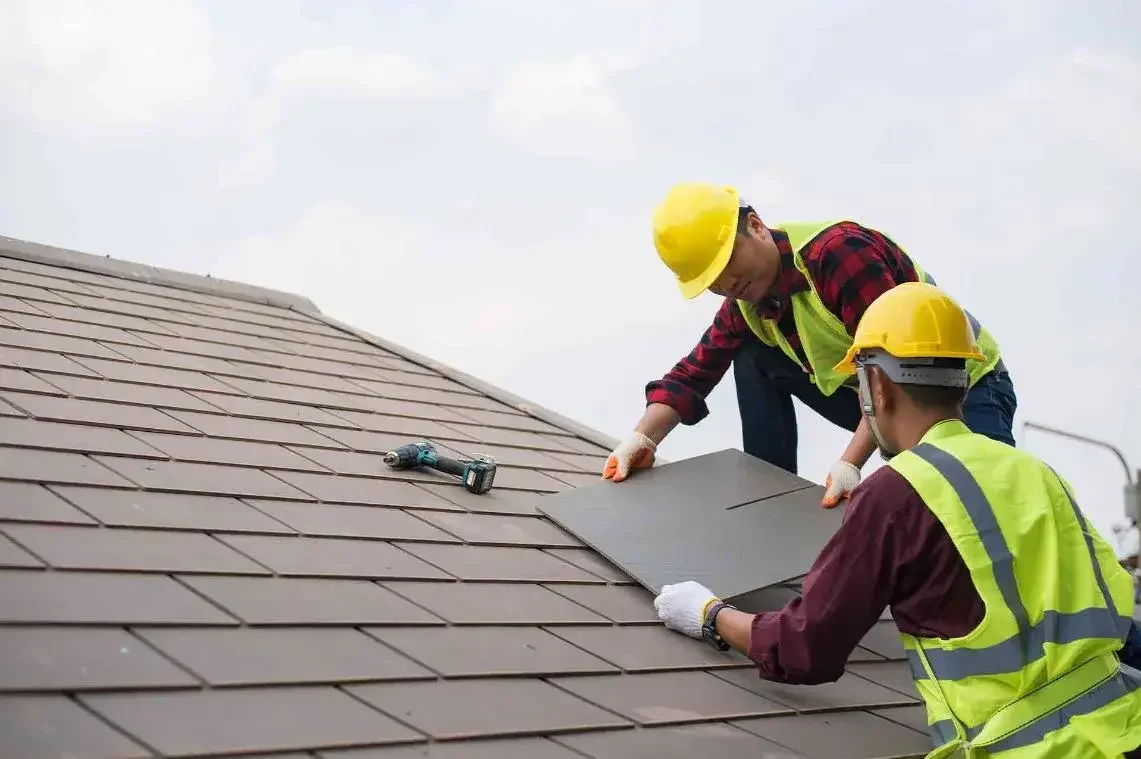
Roof Installation in San Diego: Materials, Labor, and What to Expect
Replacing a roof is one of the larger investments a San Diego homeowner makes. The range of quotes you'll receive can vary by thousands of dollars for the same scope of work — and understanding what drives cost helps you evaluate bids more intelligently and avoid being overcharged or underserved.
What Drives Roof Installation Cost
Roof size (squares). Roofing is priced by the "square" — 100 square feet of roof surface area. A 2,000 square foot home doesn't have 2,000 square feet of roof — the actual roof area depends on slope and complexity. Steep, complex roofs have more actual surface area than flat or gently sloped ones.
Pitch and accessibility. Steep roofs (6:12 pitch and above) are harder to work on. They require additional safety equipment and slow down installation. Expect a premium of 15-30% over low-slope work. Similarly, two-story homes with difficult access add cost.
Roof complexity. A simple gable roof with two planes is straightforward. A hip roof with multiple valleys and hips requires more cutting, more flashing, and more skilled labor. Homes with dormers, skylights, chimneys, and multiple penetrations add cost and time.
Material choice. This is the single biggest variable in cost range. Asphalt shingles are the lowest-cost material. Concrete tile costs roughly 50-70% more. Clay tile can cost 2-3x asphalt. Metal roofing varies from comparable to asphalt to significantly more depending on profile and material.
Tear-off and disposal. Removing old roofing material is included in most replacement quotes but adds to the total. Some roofs have multiple layers from previous roofing-over, which adds removal time and weight to haul away.
Deck repairs. Once the old roofing is off, rotted or damaged decking is revealed. Deck replacement is priced per square foot ($2-$5/sq ft) and is impossible to predict precisely until tear-off is complete. Most quality contractors build in a per-square-foot unit price so you know what additional deck work will cost before work begins.
Underlayment. The type of underlayment affects cost. Felt underlayment is inexpensive; synthetic underlayment adds $0.50-$1.50/sq ft but offers significantly better tear resistance and water resistance.
Flashing. Replacing all flashing versus reusing existing flashing affects both cost and quality. Reusing old flashing saves money short-term but can be a source of leaks if the flashing is corroded or at end of life.
Typical Cost Ranges in San Diego (2025-2026)
| Roof Type / Material | Size Range | Estimated Total |
|---|---|---|
| 3-tab asphalt, small simple roof | 1,500 sq ft | $8,000–$12,000 |
| Architectural asphalt, medium home | 2,000 sq ft | $12,000–$18,000 |
| Architectural asphalt, larger/complex | 2,500 sq ft | $17,000–$26,000 |
| Concrete tile, medium home | 2,000 sq ft | $18,000–$28,000 |
| Clay tile, medium home | 2,000 sq ft | $25,000–$40,000 |
| Metal standing seam, medium home | 2,000 sq ft | $22,000–$38,000 |
These are complete project costs including tear-off, underlayment, flashing, and standard accessories. They don't include extraordinary items like structural upgrades for tile on a home not designed to support tile weight, skylight replacement, or solar panel removal and reinstall.
Labor vs. Materials Breakdown
For a typical asphalt shingle replacement in San Diego:
- Materials: 40-50% of total cost
- Labor: 35-45% of total cost
- Disposal, permits, overhead: 10-20% of total cost
Higher-end materials shift the balance toward materials; complex roofs shift it toward labor.
Money-Saving Strategies That Actually Work
Time the project correctly. Roofing demand in San Diego peaks in fall (before rainy season) and after major storms. Scheduling work in spring or early summer often yields better pricing and easier scheduling.
Bundle related work. If you have a skylight that needs replacement or gutters that need work, bundling it with roofing saves on mobilization costs. Contractors give better pricing when they're already set up on your property.
Get multiple written estimates. The range on identical scopes can be $3,000-$8,000 or more between contractors. Three competitive bids give you a realistic market price.
Choose materials with the best value, not just lowest cost. Architectural shingles cost $1,000-$2,500 more than 3-tab for a typical home — but offer 5-10 more years of service life. The lifetime cost per year is actually better with the higher-quality option.
Ask about manufacturer promotions. Major manufacturers run seasonal promotions that can reduce material cost. A contractor buying in volume may be able to pass savings through.
What NOT to Do to Save Money
Don't skip the permit. Unpermitted roofing work creates problems at resale and may not be covered by homeowner's insurance.
Don't accept "roofing over" the existing material. Adding a second layer of shingles over the first saves tear-off cost but adds weight, traps heat, shortens the new roof's lifespan, and prevents deck inspection.
Don't hire based on price alone. A quote that's 25% below the others is usually missing something — lower-quality materials, reduced warranty, skipped underlayment, unlicensed workers.
Don't defer necessary deck repairs. If the inspector identifies rotted decking during tear-off, replacing it is not optional. Installing new roofing over rotted decking accelerates the new roof's failure and invalidates manufacturer warranties.
Service Areas
We provide roofing installation throughout San Diego County, including San Diego, Chula Vista, El Cajon, La Mesa, Santee, Lakeside, Spring Valley, Lemon Grove, National City, Escondido, Vista, and more.
Get a Detailed Estimate
An honest, itemized estimate tells you exactly what you're getting. Call (619) 330-8185 or visit our contact page. Peak Builders & Roofers of San Diego provides transparent pricing with no hidden charges — GAF Master Elite certified, C-39 licensed, serving the county since 1999.