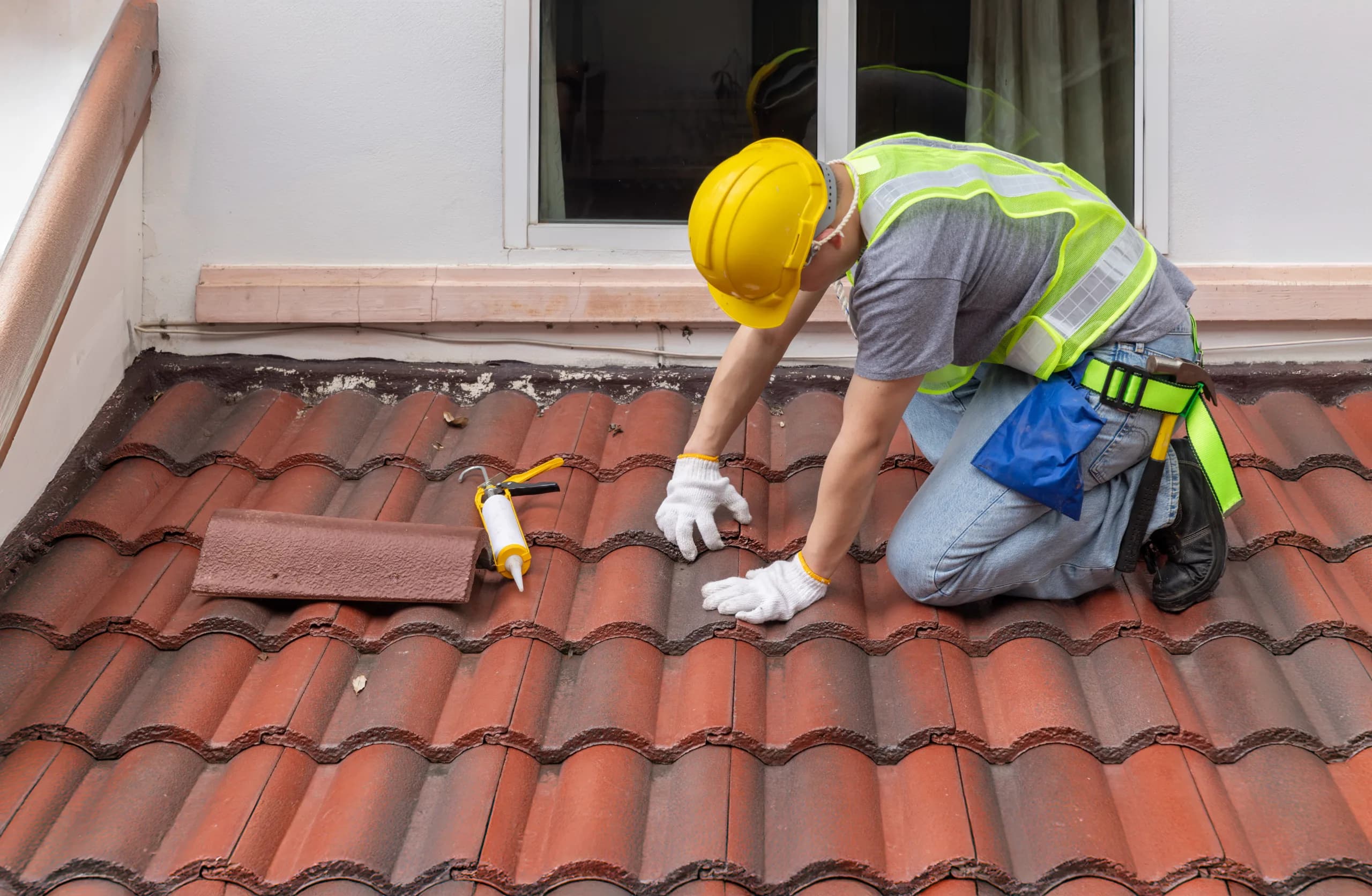

Asphalt Shingle vs Clay Tile: Which for Your San Diego Home
For most San Diego tract homes built since the 1980s, asphalt shingle is the right roof: it matches the neighborhood, satisfies the HOA, and a well-built architectural shingle will run 25-plus years in our climate. For the Spanish Colonial, Mission Revival, and Mediterranean homes that define La Jolla, Del Mar, Mission Hills, and Rancho Santa Fe, clay tile is the right roof — both for architectural integrity and because the tile body itself lasts 50 to 100 years. Neither material simply "wins"; they are built for different homes and ownership horizons, and the smartest decision matches the roof to your house rather than to a sales pitch.
Below is how we frame the choice after inspecting more than 5,000 San Diego roofs since 1999 — including the one truth about tile that nobody explains until the ceiling is already stained.
The Tile Truth Most Homeowners Never Hear
Here is the single most important thing to understand: tile lasts decades longer than the waterproofing underneath it. A clay tile body can easily survive 50 to 100 years of San Diego sun. The felt or synthetic underlayment that keeps water out of your house fails at roughly 20 to 25 years. The tiles are just the armor — the underlayment is the raincoat.
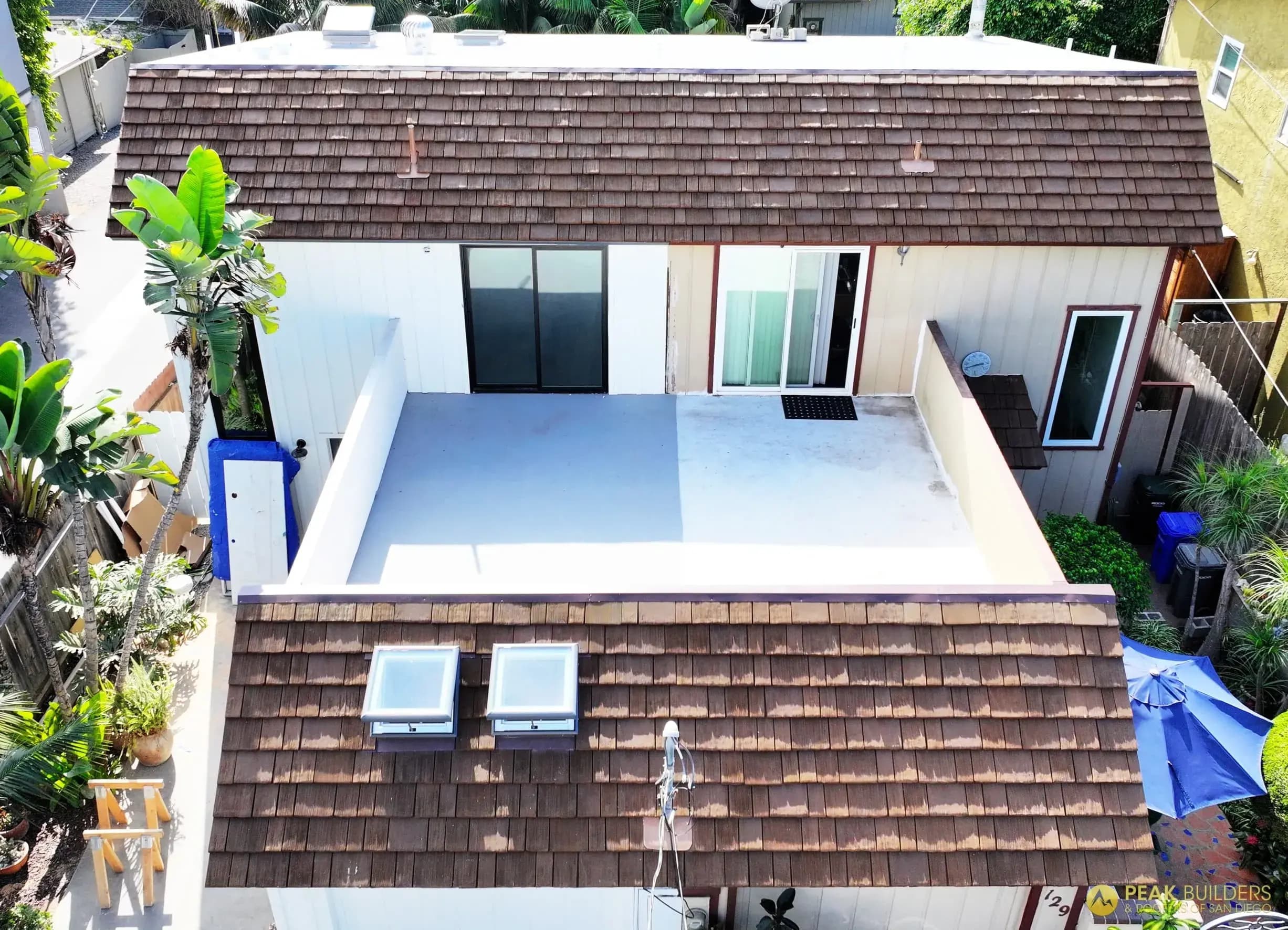
This is why we get called to so many tile homes in Kensington, Point Loma, and the older sections of La Jolla where the homeowner swears the roof "can't be the problem" because the tiles look perfect. They are right that the tiles look fine — and the roof is also leaking. On a 1920s or 1950s tile roof we almost always find the original underlayment cracked, brittle, and pulling away at valleys and penetrations. The fix is a lift-and-relay: we remove the tile, replace the underlayment and flashing, and reset the same tile — keeping the durable part of the roof while renewing the part that does the waterproofing.
So when someone calls tile a "50-year roof," the accurate version is this: the tile is, but plan for an underlayment renewal at the 20-to-25-year mark. Understand that going in and tile is an excellent long-term roof; if nobody warns you, it becomes an emergency. See how we approach tile roofing before you commit.
When Asphalt Shingle Is the Right Call
Asphalt shingle is the practical answer for a large share of San Diego homes. Most tract developments — Carmel Valley, Scripps Ranch, Rancho Bernardo, Sabre Springs, Otay Ranch, San Elijo — were built with shingle, and staying with it keeps the architecture coherent and matches comparable homes at resale.
Shingle is also the right answer when you will own the home for a shorter span than tile's long horizon — for a homeowner moving in 10 to 15 years, a good architectural shingle's service life matches the ownership window almost exactly. And it is the safer answer when the structure was never designed for tile: tile adds roughly 600-plus pounds per roofing square, and pre-1970s stick-framed homes frequently were not engineered for that load. Switching can require a structural evaluation and reinforcement before a single tile is set — a roof inspection tells you whether your framing can carry it.
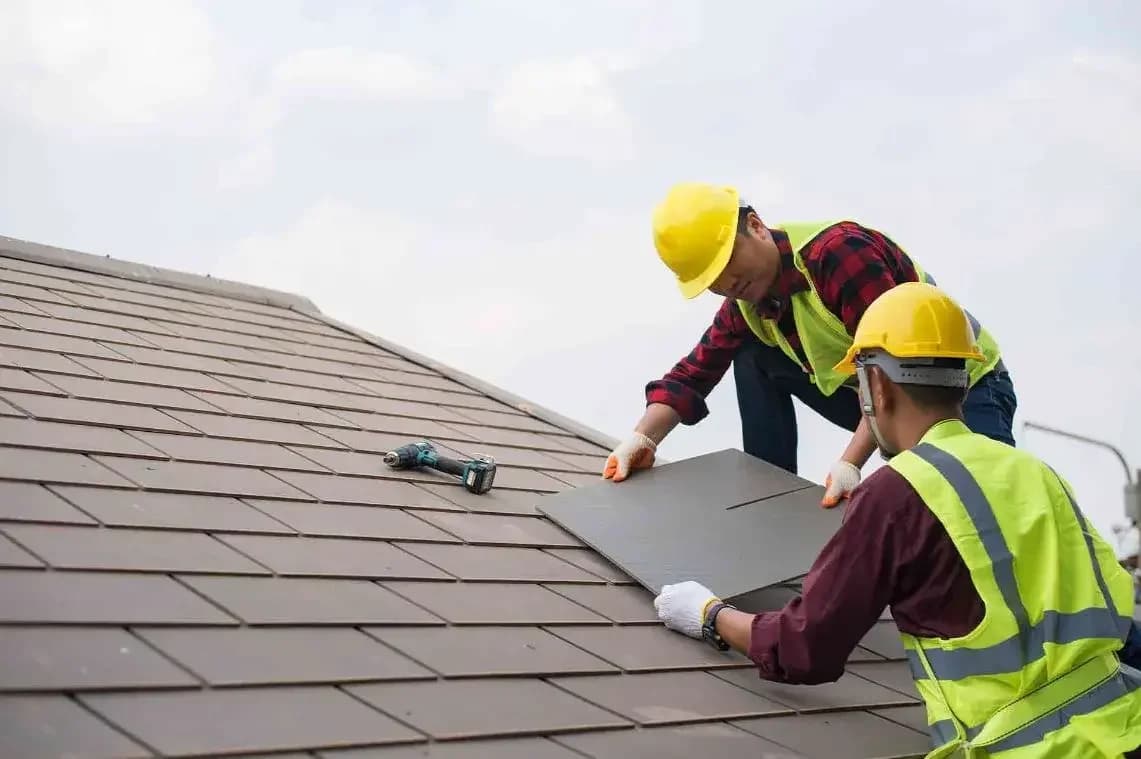
The shingles we install are not the builder-grade three-tab strips of the 1990s. We use GAF Timberline HDZ, Owens Corning Duration, and CertainTeed Landmark — laminated architectural shingles with strong wind ratings and Class A fire ratings. As a GAF Master Elite contractor and Owens Corning Platinum Preferred installer, we can register the longer manufacturer system warranties — including GAF's Golden Pledge — that cover the full assembly and the workmanship, not the shingles alone.
When Clay Tile Is the Right Call
Clay tile earns its place on the homes it was designed for. On a Spanish Colonial in Mission Hills, a Mediterranean in Rancho Santa Fe, or a Mission Revival in Del Mar, tile is not decoration — it is the architecture, and a shingle roof on one of those houses reads as wrong to buyers and appraisers.
Tile is also the long-horizon choice. Because the tile body outlives multiple shingle roofs, it favors owners staying 25-plus years — over a 50-year span you would re-roof an asphalt home two to three times against a single underlayment relay for tile. Its thermal mass is a real bonus inland in Poway, Escondido, Santee, and El Cajon, where summer attic temperatures climb hard and the mass keeps the attic noticeably cooler.
Finally, tile is one of the strongest fire performers available. A clay tile assembly over the right underlayment is a Class A system, which matters in the wildland-urban interface (WUI) zones across East County. Pair it with ember-resistant attic vents and you have a roof built for Santa Ana wind and ember events — the assembly we detail when restoring storm and fire damage.
San Diego-Specific Factors That Should Move Your Decision
A roofing decision made for Phoenix or Denver is the wrong one here. Several local realities should weigh on your choice and your spec, whichever material you pick.
- Coastal salt-air corrosion. Within a mile or two of the water in La Jolla, Coronado, Point Loma, Encinitas, and Oceanside, galvanized flashing rusts early. We spec stainless or aluminum flashing and fasteners near the coast — one of the most common premature failure points we find, and entirely preventable.
- Marine-layer mold and lichen. North-facing slopes that stay damp under the morning marine layer grow algae and lichen, which tile shows more than shingle. Algae-resistant shingles and periodic cleaning keep it in check.
- Relentless UV. Year-round sun is the hidden clock behind that 20-to-25-year underlayment life, aging tile felt long before the tile itself shows wear.
- Atmospheric-river winter storms. Heavy winter systems expose tired underlayment and bad flashing fast. If your tile roof is over 20 years old, a roof inspection before the rainy season is smart insurance.
- Title 24 cool-roof rules. California's 2025 Title 24 standards, effective January 1, 2026, newly extend cool-roof requirements to steep-slope residential re-roofs in our Climate Zone 7 — so the color and reflectance of your new shingle or tile, or a cool-roof underlayment, now has to meet the standard on many re-roofs. We handle compliant product selection and City of San Diego or County permitting, including the extra Coastal Commission step near the water.
The Tile-Look Middle Ground
If you want the look of tile without its weight or the structural demands of clay, two products bridge the gap. Stone-coated steel (Boral, Decra) mimics an S-tile profile, carries a 40-to-50-year life, and weighs far less than clay — useful where the HOA allows a tile look but the framing will not take real tile. Composite/synthetic tile (DaVinci, Brava) is a polymer that imitates clay closely with a 40-to-50-year warranty. Neither perfectly replicates a hand-laid clay roof, so for a true La Jolla or Rancho Santa Fe restoration we still recommend authentic tile — but for a lighter tile look, metal roofing in a stone-coated profile is a strong option.
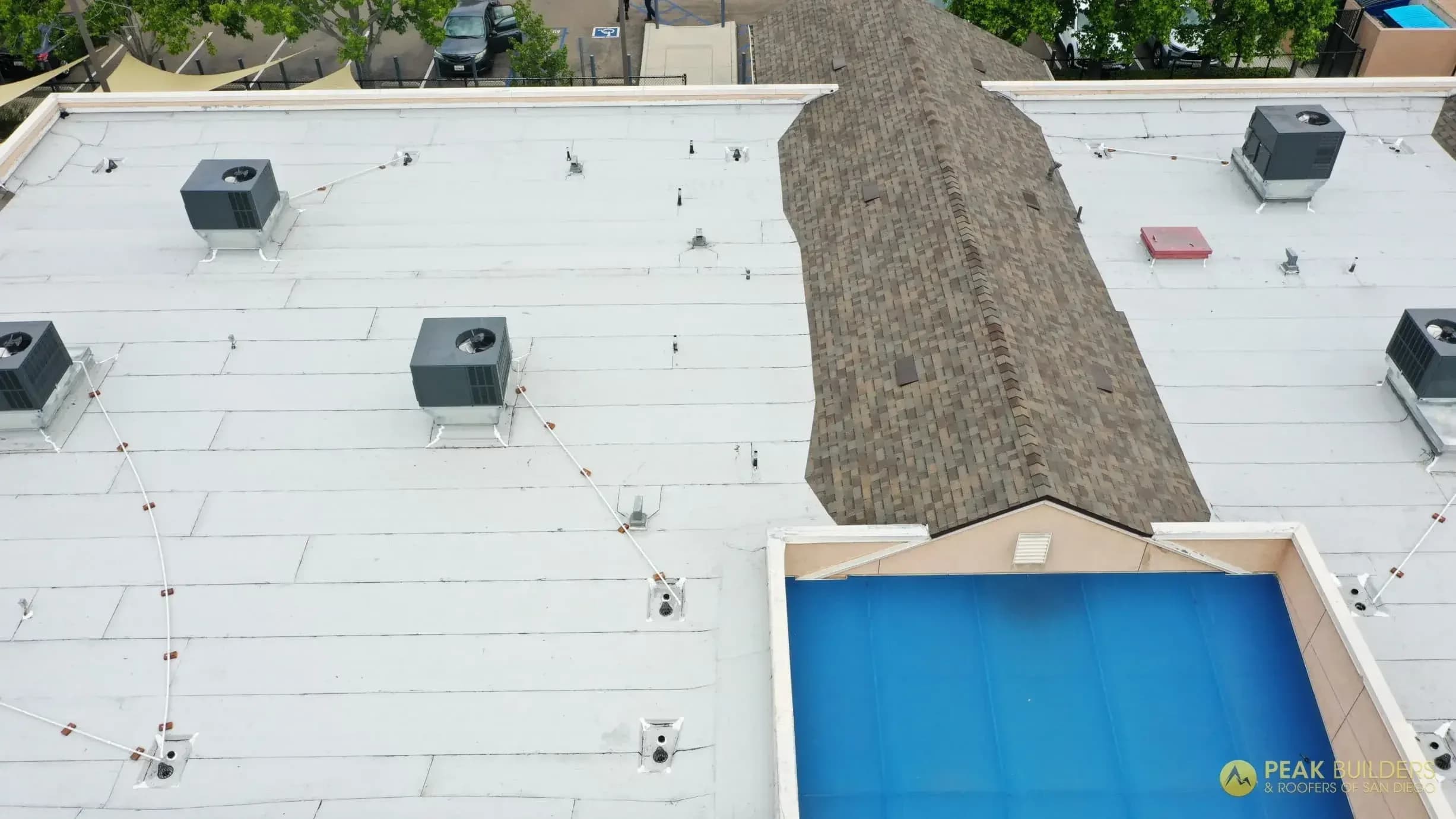
For low-slope sections that hide behind a tile or shingle main roof — porches, additions, garages — a membrane like TPO, EPDM, or modified bitumen is the correct material, handled as a flat-roofing scope rather than forcing tile or shingle onto a pitch they were never meant for.
A Five-Question Framework
You can usually settle the decision by answering five questions honestly:
- How long will you own the home? Under 12 years leans shingle; over 20 years leans tile, since you will use more of its lifespan.
- Was the home designed for tile? Spanish or Mediterranean stock leans tile; a tract shingle home leans shingle unless you love the look enough to add the structural work.
- What is your neighborhood's norm? Match it — don't be the lone shingle roof in a tile neighborhood, or vice versa, when resale matters.
- What is the roof's current condition and age? A sound roof gives you time to plan; a leaking, brittle, or storm-damaged one lets condition and safety drive the timeline, not the calendar.
- Any structural limits? An older stick-framed home with no engineering review leans shingle; a modern truss-framed home can take either.
Most San Diego tract homes come out shingle; most custom and coastal-luxury homes come out tile — which is why both categories exist. Whichever way you lean, the install details — underlayment grade, corrosion-resistant flashing near the coast, Class A assemblies in fire zones, and proper gutter installation — matter more than the headline material. Judge a roofer by those details, not the brand on the surface.
We install and service both materials across La Jolla, Carlsbad, Encinitas, Del Mar, Coronado, Chula Vista, Poway, Point Loma, El Cajon, Oceanside, and Rancho Santa Fe. As Peak Builders & Roofers of San Diego (CSLB #1008986, in business since 1999, 4.9 stars across 230-plus reviews, BBB A+), we give you an honest read on which material fits your house. Whether you need a focused roof repair, a full roof replacement, or a complete San Diego roofing plan, contact us or call (619) 330-8185 to request a free, no-obligation inspection.
Frequently Asked Questions
Why does my tile roof leak if the tiles still look perfect?
Because the tiles are not what waterproof your home — the underlayment beneath them is, and it fails at roughly 20 to 25 years while the tile looks new for 50-plus. The fix is usually a lift-and-relay: we remove the tile, replace the underlayment and flashing, and reset the same tile, keeping the durable clay and renewing the part that keeps water out.
How do I decide between repairing and replacing my roof?
Look at condition, age, and damage extent rather than the calendar alone. A handful of slipped tiles or a single failed flashing is usually a repair. Widespread brittle underlayment, leaks in multiple areas, or storm damage across the field point to a replacement or a full underlayment relay. A roof inspection tells you which, and we show you the evidence — photos of the underlayment, valleys, and penetrations — so the call rests on the roof's actual condition and your safety, not guesswork.
Does the new California cool-roof rule affect my re-roof?
It can. California's 2025 Title 24 update, effective January 1, 2026, extends cool-roof requirements to steep-slope residential re-roofs in San Diego's Climate Zone 7. That can influence shingle or tile color and reflectance, or call for a cool-roof underlayment. We select compliant products and pull the proper permit so the job passes.
What roofing matters most near the coast in La Jolla or Coronado?
Corrosion-resistant flashing and fasteners. Salt air rusts standard galvanized metal early, so within a mile or two of the water we spec stainless or aluminum flashing regardless of whether the roof is shingle or tile. Premature flashing failure is one of the most common coastal problems we find, and it is avoidable with the right metal.
How long will each material last in San Diego?
A good architectural shingle runs about 25-plus years here. A clay tile body lasts 50 to 100 years, but its underlayment fails at roughly 20 to 25 years, so a tile roof needs a relay once or twice over its life. Stone-coated steel and composite tile sit between at about 40 to 50 years. For an accurate read on your roof, call (619) 330-8185 to request a free, no-obligation inspection.