Roof Maintenance in San Diego: Why Waiting for Leaks Costs More
The most damaging roof failures we see in San Diego are almost always the ones that were preventable. Waiting until water stains your ceiling means the problem has already done its worst — the roof defect itself, plus the soaked drywall, insulation, and mold the leak fed while it hid. A routine roof inspection once a year is the single most effective way to catch a cracked pipe boot or lifted flashing while it is still a quick surface fix, not after it has run water into your attic through three rain seasons.
That gap — between a small, visible failure and the large, hidden consequence — is exactly where proactive maintenance earns its place. Below is how that plays out in San Diego specifically: what a real inspection covers, the local conditions that make our roofs fail in ways that surprise homeowners, and how to judge whether the work being done on your roof is actually good.
Why Waiting Always Makes the Damage Worse
A roof problem does not stay the same size while you ignore it. A pinhole at a failed pipe boot or a hairline separation at a flashing seam is a contained, surface-level repair the day it is found. Left alone, water follows gravity into the assembly — saturating blown-in insulation, swelling and staining drywall, rotting roof decking and rafters, and, on a north-facing wall that never dries out, seeding mold. What started as a single component on the roof becomes a multi-trade interior project, plus the structural repair you now also need.
There is a disruption side to it, too. A planned roof repair is typically a half-day with a crew on the roof and nothing inside your home touched. A full leak event is the opposite: weeks of work inside the house, furniture under plastic, and the unsettling question of how much rot accumulated behind the wall before the stain ever appeared. Maintenance trades that uncertainty for a written record of your roof's condition, updated every year.
The Tile Trap: Why San Diego Roofs Leak While the Tiles Look Perfect
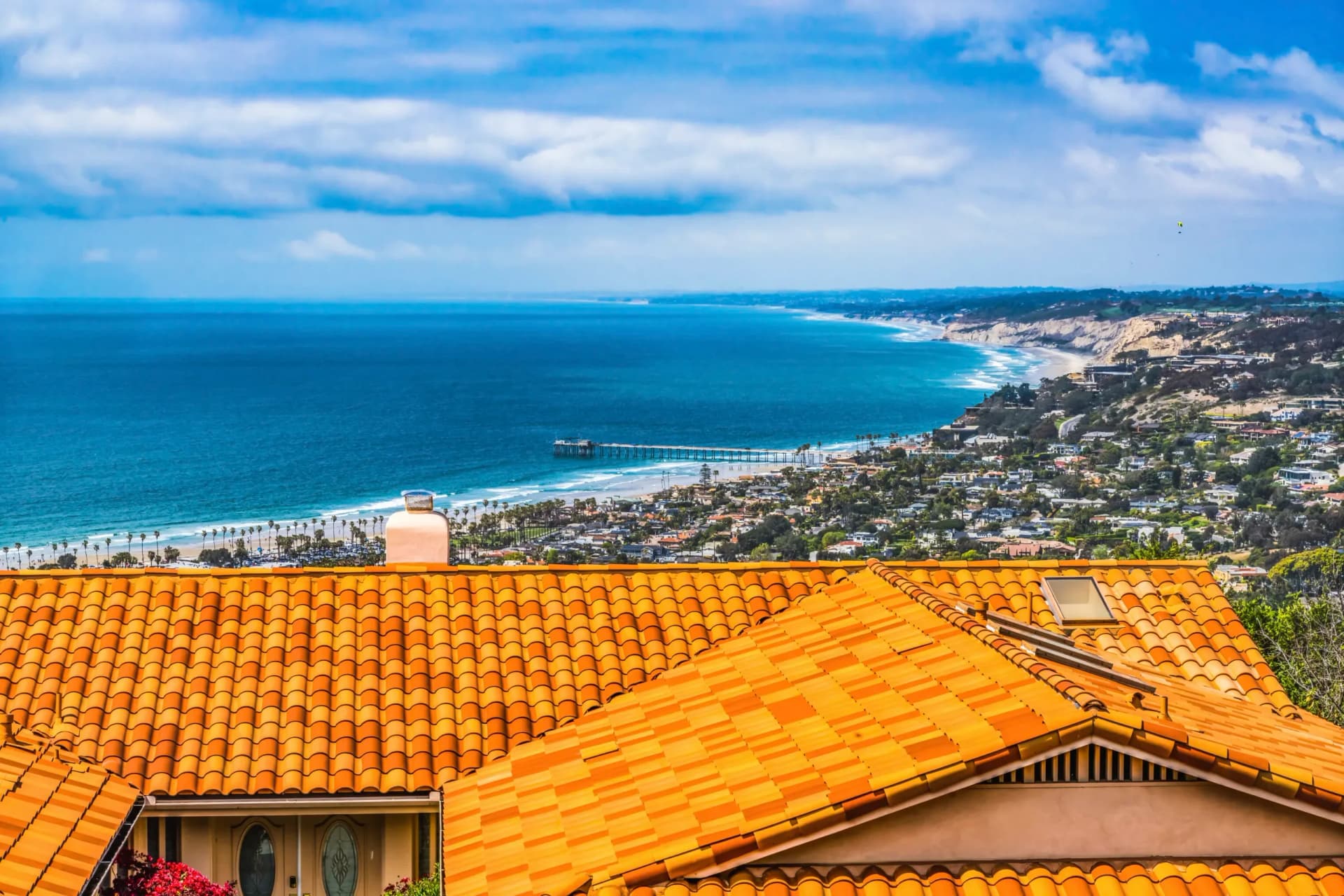
This is the most misunderstood thing about San Diego's housing stock. So much of our Spanish, Mediterranean, and Mission-style inventory wears clay or concrete tile, and tile is genuinely durable — a good barrel tile can last 50 years or more. Homeowners look up, see intact tile, and assume the whole roof is healthy.
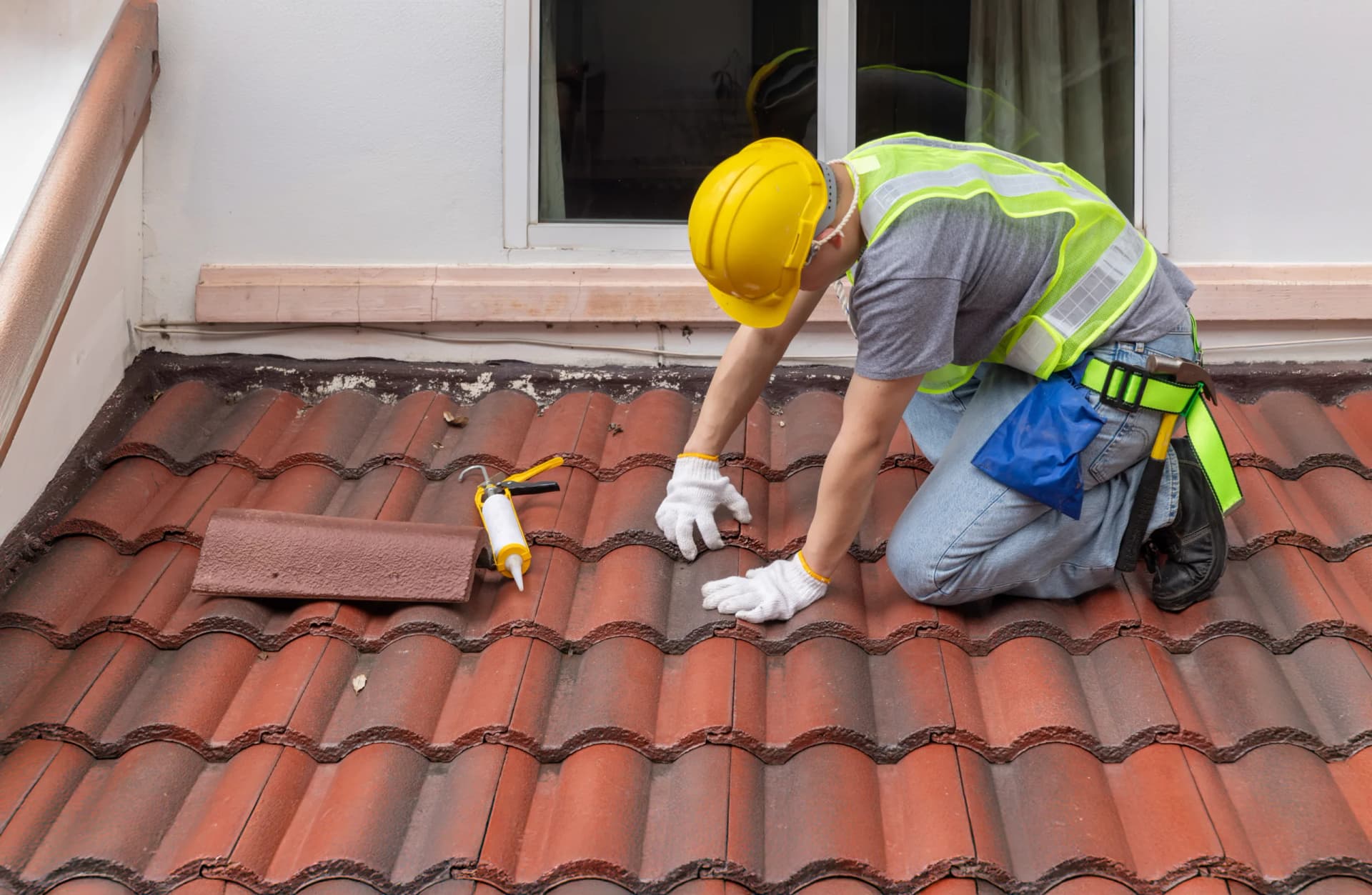
The tile is not the waterproofing. The underlayment beneath it is, and underlayment runs on a completely different clock — typically 20 to 25 years for the older organic felts. On a 1990s tile roof in Scripps Ranch or a 1920s Spanish home in Kensington, we routinely find pristine tile sitting over felt that has gone brittle and torn at every fastener and valley. Water gets past the tile — it always does; tile sheds the bulk and the underlayment catches the rest — finds the cracked felt, and runs down the deck to surface feet away from where it entered. That is why the stain on your ceiling is rarely directly under the actual failure.
The fix is almost never new tile. It is a tile roofing "lift and relay": the existing tile is carefully removed, the deck gets fresh synthetic underlayment rated for decades, and the original tile goes back down. You keep the look, you keep the tile, and the waterproofing clock resets. An annual inspection is what tells you where you sit on that 20-to-25-year underlayment curve before it announces itself through your living room ceiling.
What San Diego's Climate Does to a Roof
Our weather is mild, which lulls people into neglect, but it is quietly hard on roofing in specific ways. Each of these is something a good inspector is actively hunting for:
- Coastal salt-air corrosion. Within a mile or two of the water — La Jolla, Del Mar, Coronado, Point Loma, Encinitas — salt air eats galvanized steel flashing and fasteners from the inside out. We spec stainless or aluminum flashing on coastal jobs for exactly this reason, and a key inspection item near the coast is rust bleeding at chimney and skylight bases.
- Marine-layer mold on north slopes. North-facing slopes that never fully dry under the morning June Gloom grow moss and mold that hold moisture against the roof and accelerate decay. Caught early it is a cleaning; ignored it becomes deck rot.
- Relentless UV. Year-round San Diego sun bakes the oils out of asphalt shingles and degrades exposed sealants and pipe-boot rubber faster than the calendar suggests. That cracked boot is usually UV, not age.
- Santa Ana wind and ember events. Inland communities — Poway, Escondido, El Cajon, Santee — see 50 to 70 mph Santa Ana gusts that lift and displace tile and shingles. A quick post-event scan and a same-week reset keeps the next rain from finding the gap. In WUI fire zones those same winds drive embers, which is why Class A fire assemblies and ember-resistant attic vents matter.
- Atmospheric-river winter storms. Our increasingly intense winter river events test every flashing seam and flat-roof drain at once. Anything marginal in September becomes a leak in January.
What a Real Annual Inspection Covers
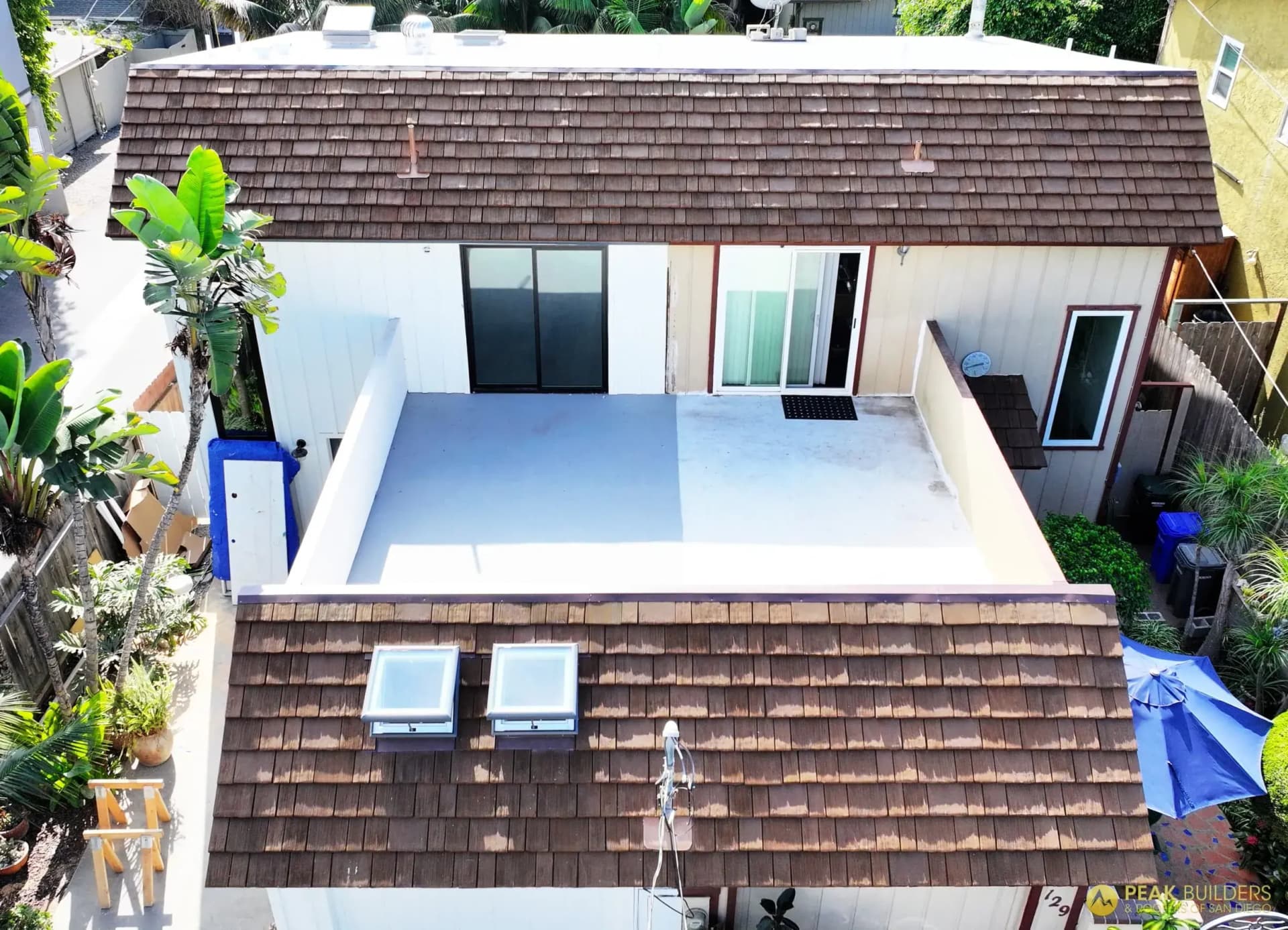
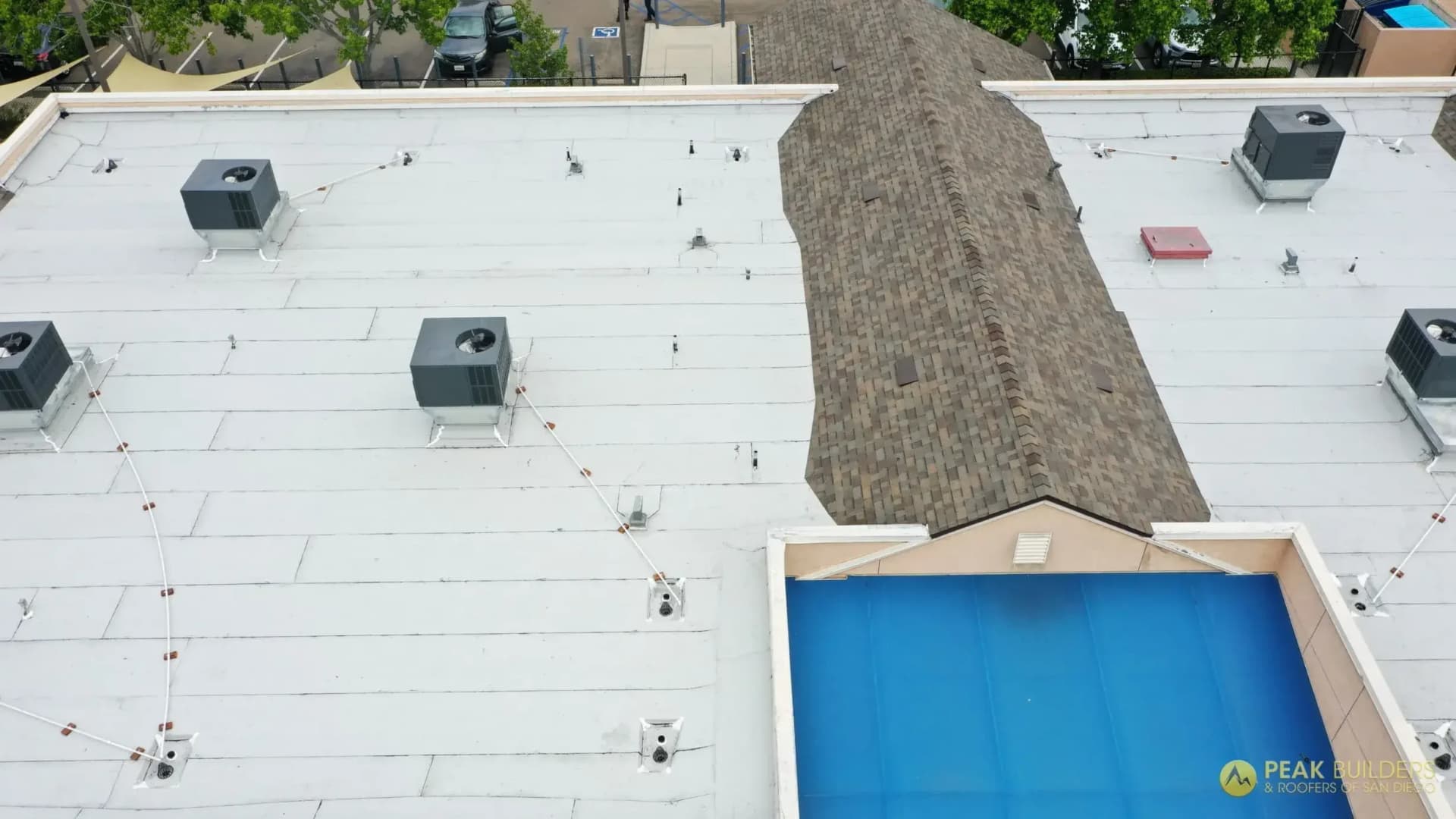
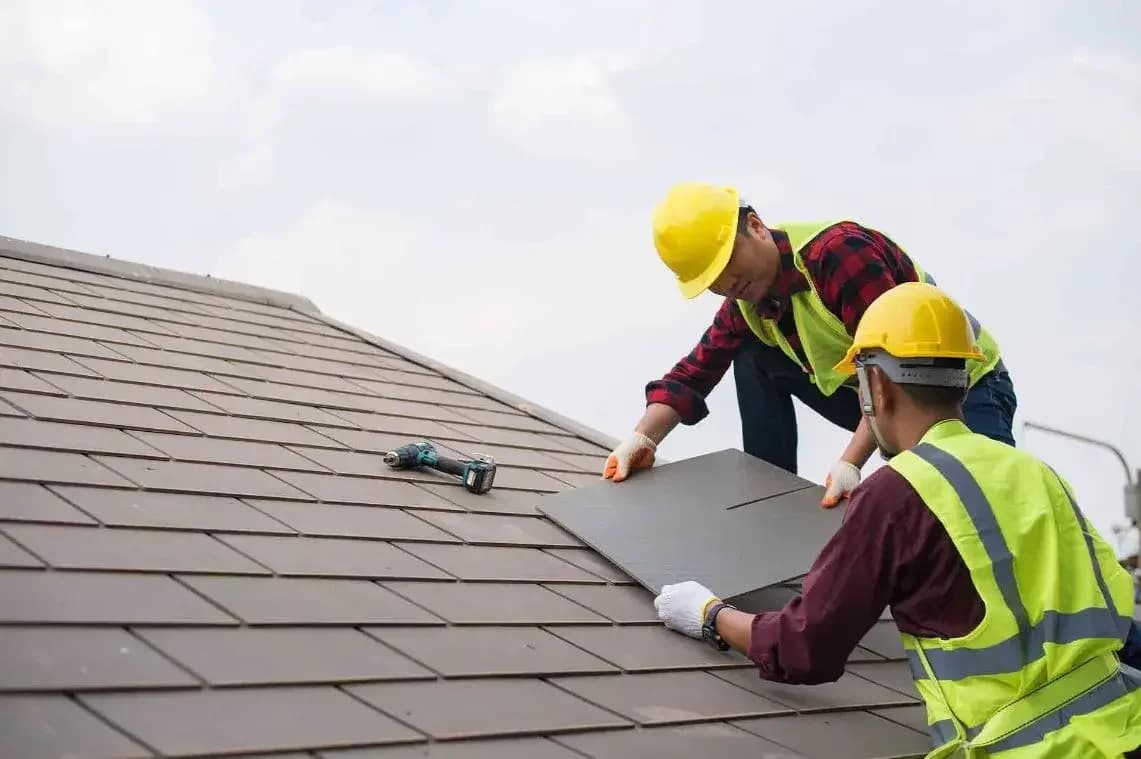
A real inspection is not a glance from the driveway. The roofer checks every pipe boot and penetration for cracking, inspects all flashing at chimneys, skylights, dormers, and wall intersections for lifting and corrosion, walks the tile or shingle field for cracked or slipped material, and evaluates valleys, eaves, and drainage. On a flat roofing system — the TPO, EPDM, or modified-bitumen decks common on mid-century and contemporary San Diego homes and on commercial roofing buildings — every seam, penetration, and drain collar gets examined, because that is precisely where these systems fail. The attic gets checked from inside for staining, daylight, and active moisture. Gutters get evaluated too, since a clogged or undersized system backs water under the eave; if yours are failing, that is a gutter installation conversation before it becomes a fascia-rot one.
You should walk away with a written report: current condition, photographs, and a prioritized list of what needs attention now versus what to watch. For a healthy roof that is one or two small repairs. For an aging one it is honest input for planning a roof replacement on your own timeline instead of in a panic.
How to Judge Whether the Work Is Good
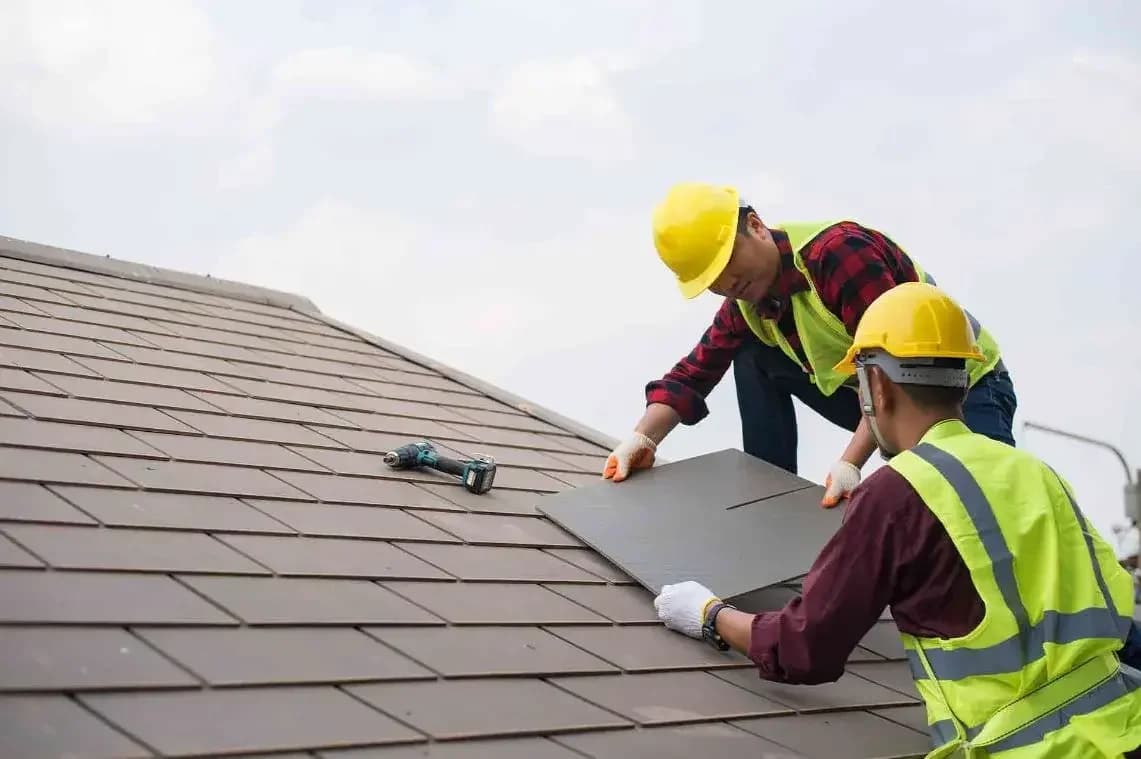
Maintenance only protects you if the repairs themselves are done right. A few markers of competent work: flashing is replaced or reseated in metal, not buried under a smear of caulk; pipe boots are swapped for the correct size in UV-rated material rather than sealed over; tile is reset on fresh underlayment, not just glued back in place; and every repair is documented with before-and-after photos. Ask whether the crew is manufacturer-certified — credentials like GAF Master Elite and Owens Corning Platinum Preferred exist because the manufacturers audit installation quality, and warranty backing depends on it. Workmanship you cannot see is the whole point of a roof, so the paper trail and the certifications are how you verify it.
Title 24, Re-Roofs, and Planning Ahead
One reason early planning matters now: California's 2025 Title 24 energy standards, effective January 1, 2026, extended cool-roof requirements in our Climate Zone 7 to steep-slope residential re-roofs for the first time. If your roof is nearing the end of its service life, the product choices — a reflective shingle like GAF Timberline HDZ or Owens Corning Duration, a CertainTeed Landmark in a qualifying color, a tile meeting solar-reflectance minimums, or a standing-seam metal roof — now carry code implications they did not a year ago. A maintenance relationship means we flag this well before a sudden failure forces a rushed, non-compliant decision.
Build the Habit Around the San Diego Calendar
The right time to inspect is September, before the rains. That leaves October open for any repairs while crews have availability and dry days are reliable. Waiting until after the first November storm means competing with every other homeowner who deferred — and discovering problems with water already inside. Between professional visits, a twice-yearly look from the ground with binoculars (especially after any Santa Ana event) lets you flag slipped tiles or fresh rust streaks early. If a storm does cause damage, our storm damage restoration team documents it for your insurance and tarps it before the next system rolls through.
Peak Builders & Roofers of San Diego has inspected and maintained more than 5,000 roofs across the county since 1999. We are CSLB-licensed (#1008986), GAF Master Elite and Owens Corning Platinum Preferred, BBB A+, and rated 4.9 stars across 230-plus reviews. Whether you want a single roofing inspection or a standing maintenance plan, the San Diego roofers here would rather find your problem in September than meet you over a January ceiling stain. To get on the schedule, request a free, no-obligation inspection or call (619) 330-8185.
Frequently Asked Questions
How often should a San Diego roof be inspected?
Once a year for most roofs, ideally in September before the rainy season, plus a quick visual check after any Santa Ana wind event. Tile roofs over 15 years old and any flat roof benefit from yearly professional eyes, because their failure points — aging underlayment and seam separation — are invisible from the ground until they leak.
My tile roof looks perfect — do I really need maintenance?
Yes, and this is the most common mistake we see. The tile can last 50-plus years while the underlayment beneath it fails at 20 to 25. Intact tile tells you nothing about the waterproofing layer doing the actual work. An inspection assesses the underlayment's condition so you can plan a lift-and-relay before water finds the brittle felt.
How do I know if a roof repair was done correctly?
Good repairs are documented and durable: flashing reseated in metal rather than caulk, correctly sized UV-rated pipe boots, tile reset on fresh underlayment, and before-and-after photos in a written report. Manufacturer certifications such as GAF Master Elite and Owens Corning Platinum Preferred also matter, since they tie warranty coverage to audited installation quality.
Does my coastal home need different flashing?
If you are within roughly a mile or two of the ocean — La Jolla, Coronado, Del Mar, Point Loma, Encinitas, Carlsbad — yes. Salt air corrodes standard galvanized steel, so we spec stainless or aluminum flashing and fasteners. A coastal inspection looks specifically for rust bleeding at penetrations, the early warning that galvanized hardware is failing.
When does maintenance stop making sense and replacement take over?
It is a question of condition, not the calendar alone. When a roof passes 20 years, when underlayment failure is showing up in multiple areas, when decking has gone soft, or when the same section has been repaired twice in a few years, the smart move shifts from patching to planning a roof replacement. An honest inspection tells you you are in that territory early enough to plan on your own terms rather than after a failure forces your hand. Call (619) 330-8185 to talk it through.