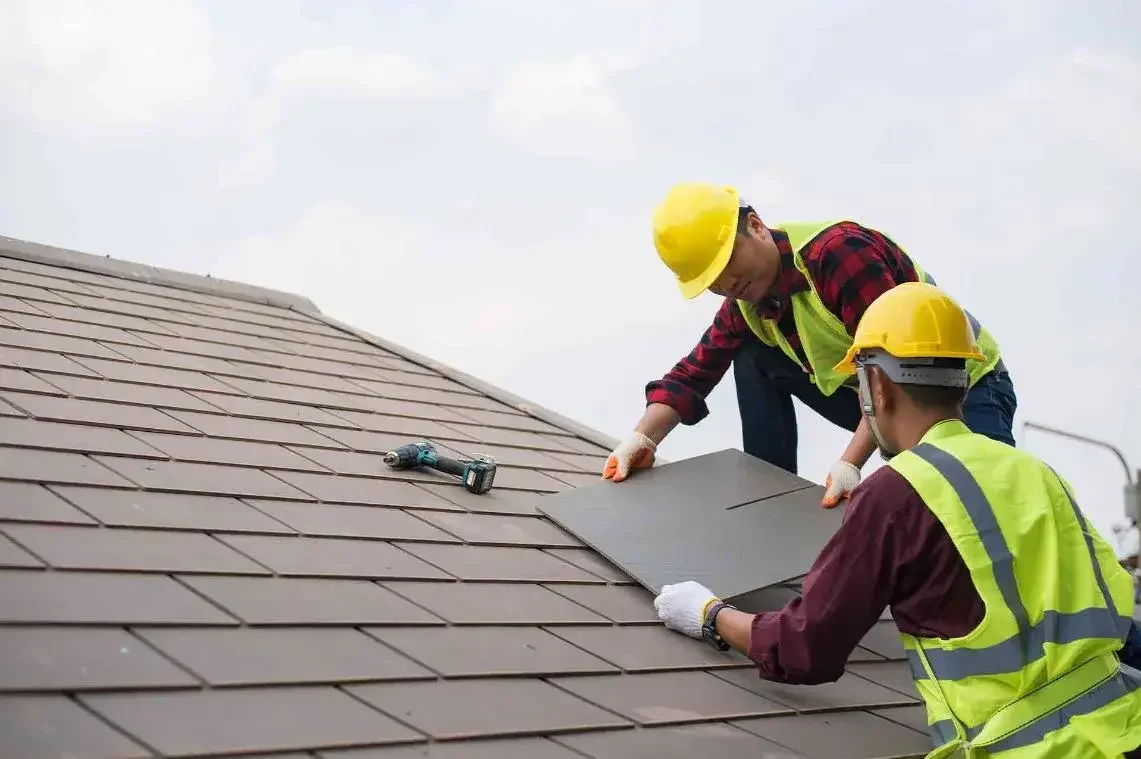
How to Choose a Roofing Contractor in San Diego (2026 Guide)
Choosing a roofing contractor in San Diego comes down to five verifiable things: a current CSLB license you check yourself at cslb.ca.gov, proof of general liability and workers' compensation insurance, a real manufacturer certification (GAF Master Elite or Owens Corning Platinum Preferred — not just "we use GAF"), a written workmanship warranty with an explicit year count, and a long local track record at a fixed address. Everything else — the friendly salesperson, the glossy brochure, the "lifetime" promise — is noise until those five check out. This guide explains why each one matters specifically in San Diego, where tile underlayment, coastal salt air, Title 24, and Santa Ana ember events change what a competent re-roof actually looks like.
Why "Licensed and Insured" Isn't Enough Here
Every contractor website in the county says "fully licensed and insured." The phrase is meaningless until you verify it, and in San Diego the verification matters more than in most markets because our roofing problems are slow and hidden. A tile roof can look pristine from the street while the underlayment beneath it has quietly failed and water is tracking down the rafters. If you pick a roofer who's gone in three years, you discover the problem alone.
So before anything else, do the homework that filters out most of the risk. Pull up the California Contractors State License Board lookup and enter the company's license number. You want either a C-39 (Roofing) classification or a B (General Contractor) license that covers roofing. Confirm the status reads Active — not expired, suspended, or revoked — and click into the license detail to see when it was first issued. A license issued last spring is a different animal than one issued in 1999. Peak Builders & Roofers of San Diego carries CSLB #1008986 and has been working San Diego roofs since 1999; you should expect any bidder to hand you their number on the phone without hesitation. If they won't, end the call.
Then verify insurance the same way — by document, not by promise. Ask for a current certificate of insurance naming you as additional insured, with general liability and active workers' compensation. Workers' comp is not paperwork theater: people fall off roofs, and if an uninsured crew member is hurt on your steep La Jolla hip roof, the liability can land on you, the homeowner. A real contractor emails you a certificate within a day.
Manufacturer Certification Is the Detail Most Homeowners Miss
Here's the one that separates installers. "We use GAF shingles" tells you nothing — anyone can buy GAF at a supply house. Manufacturer certification is different: the manufacturer trains the crew, audits their installed work, requires specific insurance, and only then authorizes them to register the extended system warranty. GAF caps its Master Elite program at roughly the top 2–3% of roofers nationwide; Owens Corning's Platinum Preferred tier is similarly narrow. Peak Builders holds both GAF Master Elite and Owens Corning Platinum Preferred, which is what lets us register the long-form factory warranties most roofers can't.
Why it matters: without Master Elite installation, the strongest GAF coverage you can get is the baseline limited warranty. With it, the labor-and-materials coverage extends dramatically, and it's the manufacturer standing behind the roof, not just the contractor — the difference between a covered repair and an argument.
A Written Warranty With a Number on It
Treat the word "lifetime" as marketing until you read the document. A legitimate roofer separates two layers clearly: the manufacturer warranty on materials and the workmanship warranty on the installation, the latter offered in writing with an explicit term — commonly 10 to 25 years. Ask to see the actual warranty before you sign, and read for the boring parts: Is it transferable when you sell the house? What's excluded? What's the claim process, and who answers the phone? In San Diego's resale market, transferability is a genuine selling point at closing, so it's worth confirming rather than assuming.
Local, Established, and Findable
After every Santa Ana wind event or atmospheric-river storm, out-of-town "storm chasers" flood the county with door-knocking crews, then disappear before the year-three warranty calls start. Protect yourself by confirming the company is physically and durably here: a real address you can map (a yard or office, not a mailbox store), a Google Business Profile with years of reviews and visible responses, and the same phone number across old listings. Peak Builders has built more than 5,000 San Diego roofs and holds a 4.9-star rating across 230+ reviews with a BBB A+ — the kind of trail a chaser can't fake. Be especially wary of anyone who shows up uninvited after a storm and asks you to sign an "assignment of benefits" that hands them control of your insurance claim; a straight contractor lets you keep your own claim and simply documents the storm damage for the adjuster.
San Diego-Specific Questions That Reveal a Real Roofer
This is where a competent local separates from a generic bidder. Ask these during the inspection and listen for specifics, not slogans.
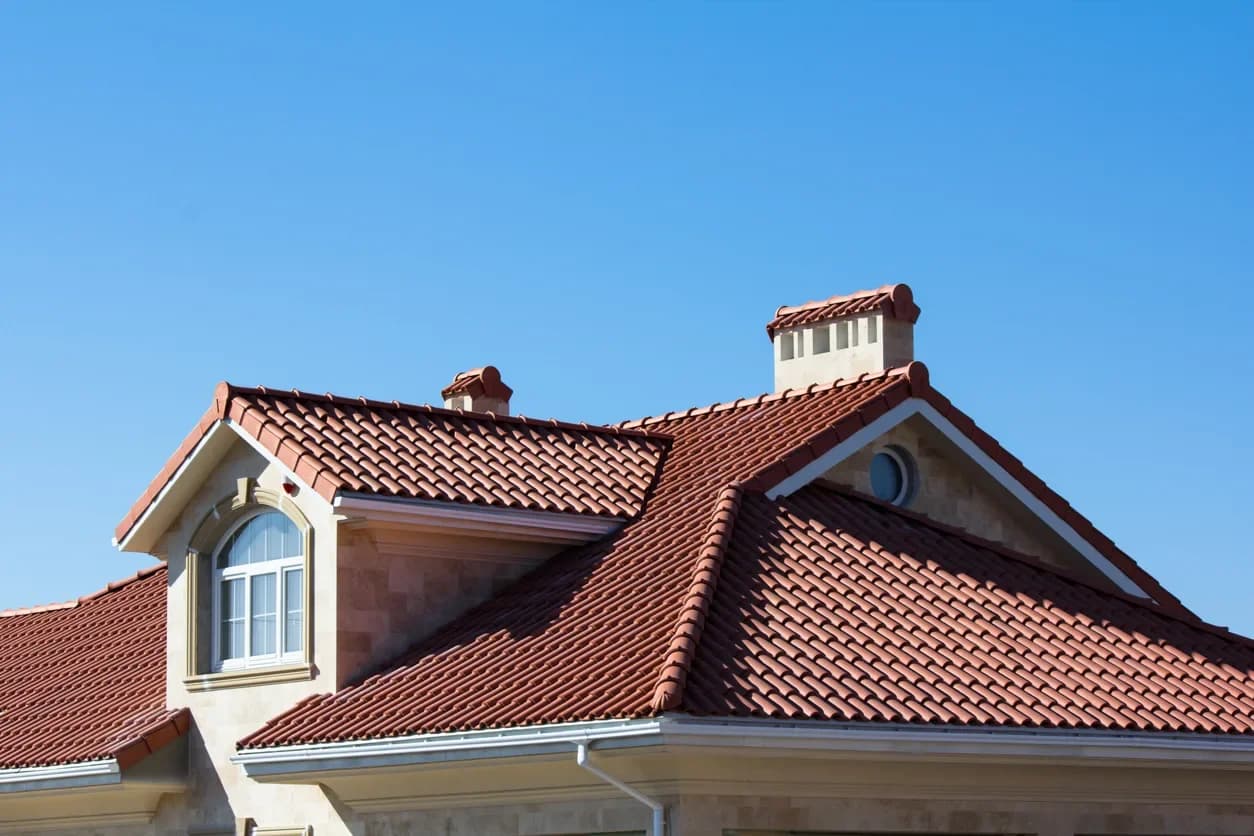
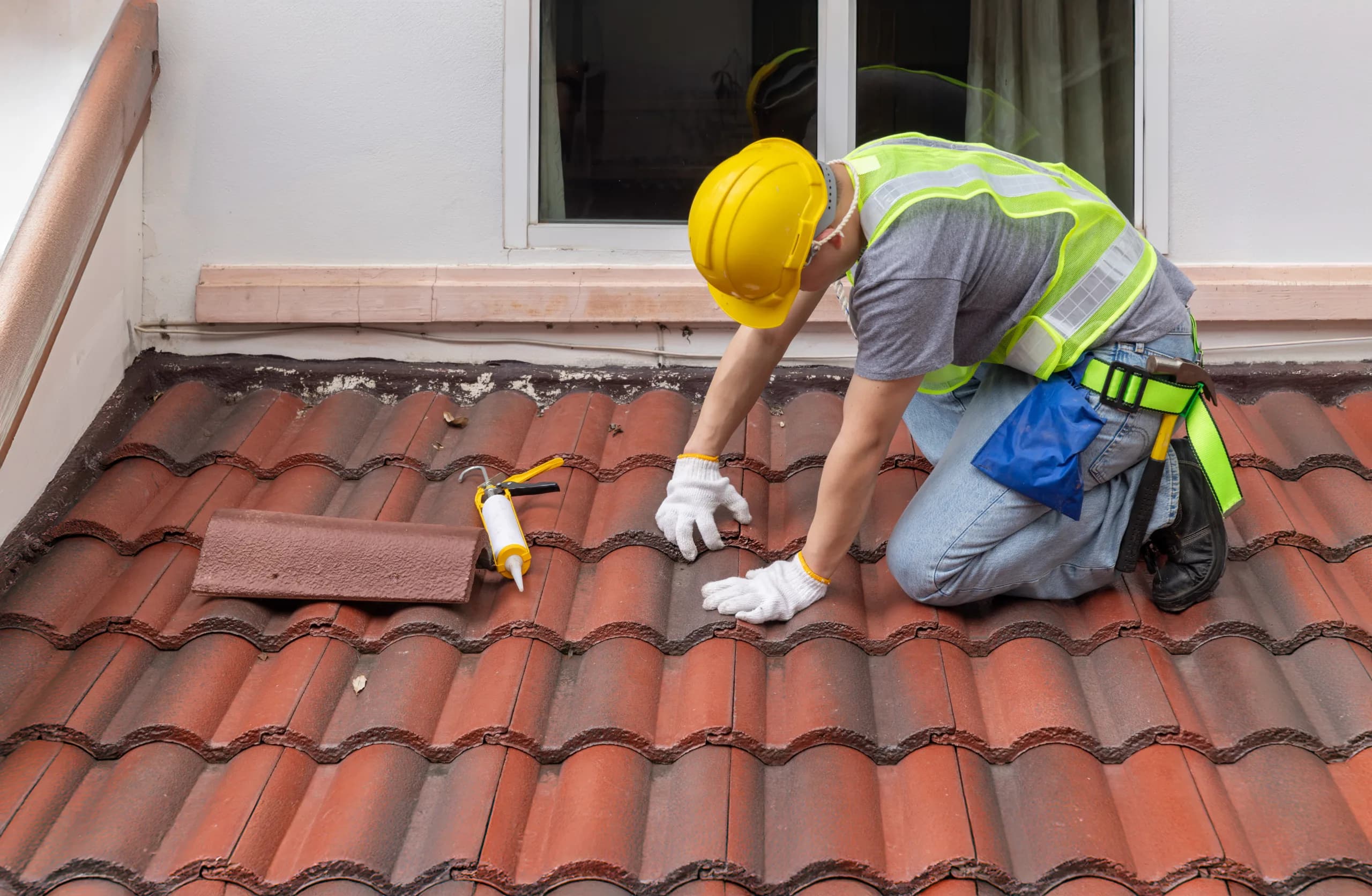
"My tiles look fine — why would you re-roof?" The right answer is about the underlayment. On our Spanish and Mediterranean tile stock, the concrete or clay tile genuinely lasts 50-plus years, but the felt or synthetic membrane under it fails at roughly 20–25 years. That's why so many San Diego tile roofs leak while the tile looks new from the curb. A good roofer proposes a tile lift-and-relay — pulling and stacking the existing tile, replacing the underlayment, and re-laying the original tile — rather than selling you a whole new field of tile you don't need. If a bidder doesn't bring this up on an older tile home, they don't know our housing stock.
"What flashing will you spec near the coast?" Within a mile or two of the water — Coronado, Point Loma, Del Mar, Encinitas, La Jolla — salt air eats galvanized metal. A roofer who knows the coast specs stainless or aluminum flashing and fasteners, never plain galvanized, at chimneys, skylights, and valleys. The wrong metal becomes a rust streak and a leak within a few years.
"How will you handle the north-slope mold and the UV?" Marine-layer moisture sits on shaded north slopes and grows mold and moss; year-round UV cooks south and west exposures. The answer should involve proper ventilation, algae-resistant shingles, and exposure-appropriate product choices.
"Are you pulling the right permit?" Re-roofs are permitted through the City of San Diego or the County, and projects near the shoreline can trigger Coastal Commission review. A roofer who shrugs off permits is a roofer who'll leave you with an un-permitted roof that surfaces at resale.
"How are you meeting Title 24 and fire code?" California's 2025 energy standards, effective January 1, 2026, newly extend cool-roof requirements to steep-slope residential re-roofs in our Climate Zone 7. And in our Wildland-Urban Interface fire zones (think the eastern and northern edges — Poway, Scripps Ranch, Rancho Santa Fe, Escondido, El Cajon), code calls for Class A fire assemblies and ember-resistant vents. A current roofer talks fluently about both; a chaser has never heard of them.
What to Actually Compare in Competing Bids
Never judge a proposal by the bottom line — compare the actual work, because two bids for the "same" roof are often different products entirely. Lay the scopes side by side and check:
- Tear-off scope — full removal of all layers (correct for San Diego) versus an overlay that traps old problems beneath a new surface.
- Shingle line, by exact name — GAF Timberline HDZ, Owens Corning Duration, and CertainTeed Landmark are comparable architectural shingles; a "builder grade" 3-tab is not the same product or lifespan.
- Underlayment — synthetic or peel-and-stick versus bottom-tier 15-lb felt, which matters enormously on tile, where the membrane is the actual waterproofing.
- Flashing and fastener metal — stainless or aluminum near the coast, not galvanized.
- Sheathing/decking plan — how rotted plywood is found, handled, and disclosed up front, not discovered mid-job.
- Permit handling and warranty terms — who pulls the permit, and the explicit workmanship year count in writing.
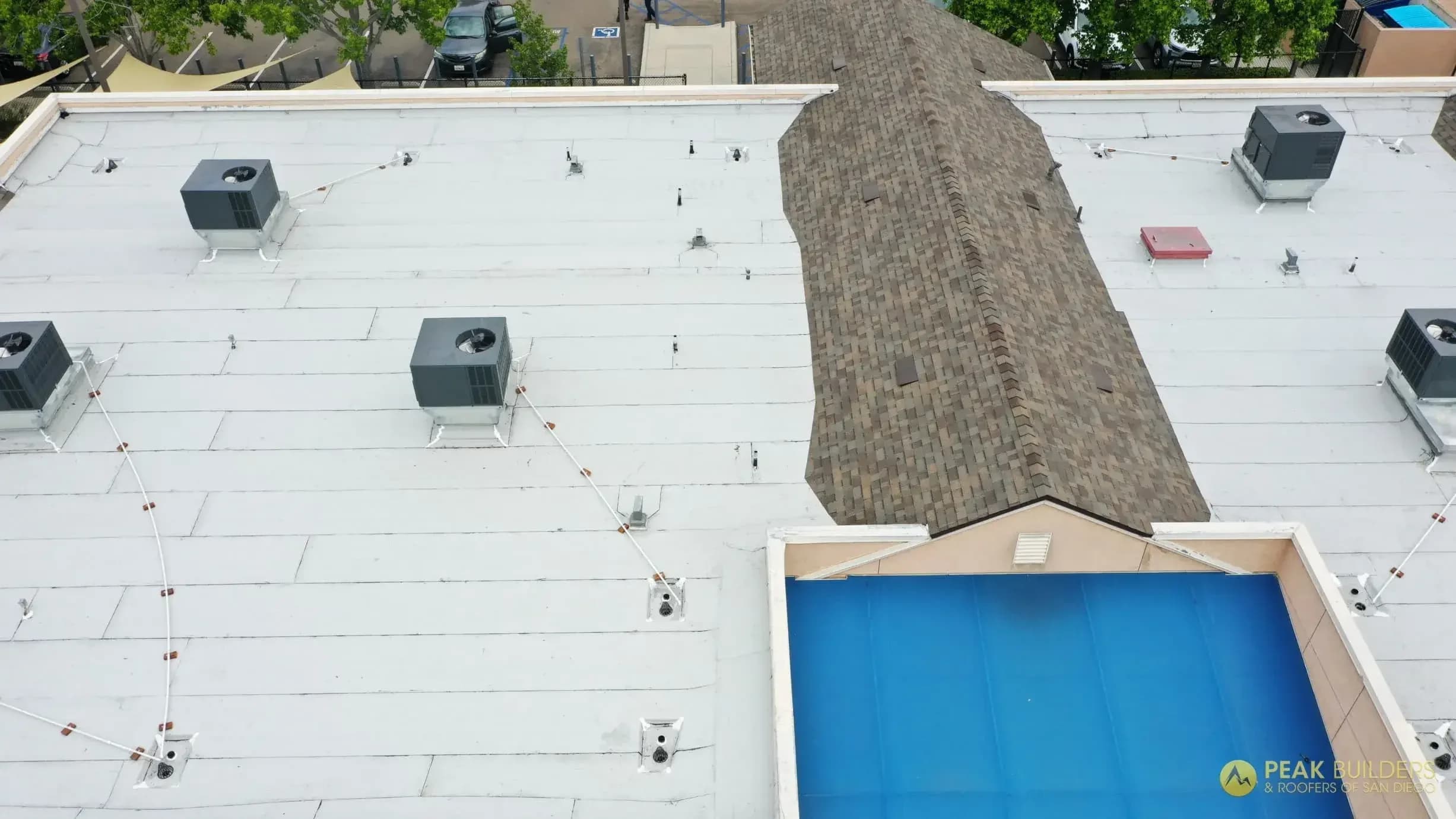
A proposal that skips the underlayment grade, the flashing metal, or the decking plan isn't a better deal — it's an incomplete scope that resurfaces as a leak. When the work is detailed honestly, you can judge a roofer on the merits: tear-off depth, material lifespan in years, ventilation, code compliance, and the flashing details that decide whether a roof lasts its full term. The right San Diego roofer is someone you'd be comfortable calling in year seven about a spot that looks wrong — and who answers. Peak Builders & Roofers of San Diego has worked these roofs since 1999, holds CSLB #1008986, GAF Master Elite, Owens Corning Platinum Preferred, and a BBB A+, and backs it with 4.9 stars across 230+ reviews. To put an honest, detailed scope next to the bids you're holding, see our full range of roofing services — including roof replacement, metal standing-seam, and flat-roof systems like TPO, EPDM, and modified bitumen, plus commercial roofing and gutter installation. Call (619) 330-8185 or request a free, no-obligation inspection.
Frequently Asked Questions
How do I verify a San Diego roofer's CSLB license?
Go to cslb.ca.gov, open the license lookup, and enter the contractor's number — Peak Builders is CSLB #1008986. Confirm the classification is C-39 (Roofing) or B (General Contractor), that the status reads Active, and check the issue date and any disclosures. If a bidder won't give you their number over the phone, that's your answer.
Why does my tile roof leak when the tiles still look perfect?
Because the tile and the waterproofing are two different lifespans. Concrete and clay tile last 50-plus years, but the underlayment membrane beneath it fails at about 20–25 years. Once that membrane goes, water gets past tiles that still look brand new. The fix is usually a lift-and-relay — reusing your existing tile over fresh underlayment — not a full tile replacement. A roof inspection confirms whether the tile is reusable.
What roofing rules changed for 2026 in San Diego?
California's 2025 Title 24 energy standards took effect January 1, 2026, and for the first time extend cool-roof requirements to steep-slope residential re-roofs in Climate Zone 7, which includes San Diego. Homes in Wildland-Urban Interface fire zones also need Class A fire assemblies and ember-resistant vents. A current contractor should build both into the plan from the start.
Should coastal homes use different roofing materials?
Yes. Near the water in areas like Coronado, Point Loma, Del Mar, and La Jolla, salt air corrodes galvanized metal quickly, so flashing and fasteners should be stainless steel or aluminum. North-facing slopes that hold marine-layer moisture also benefit from good ventilation and algae-resistant shingles to slow mold and moss.
Repair or replace — how do I know which my roof needs?
Decide on condition, not age alone. Isolated damage on an otherwise sound roof with good underlayment is usually a repair; widespread granule loss, failed underlayment under tile, active leaks in multiple areas, or visible decking rot point to replacement. A professional inspection settles it — request a free, no-obligation inspection or call (619) 330-8185, and we'll document what's actually happening up there before anything is recommended.