Planning a Roof Replacement in San Diego: A Homeowner Roadmap
Replacing a roof in San Diego is less about picking a shingle color and more about reading your roof's condition, matching the assembly to our coastal-and-canyon climate, and meeting California's tightening energy code. The right starting point is a thorough inspection that tells you whether you're truly at replacement or still inside the window for a repair. After more than 5,000 roofs across the county since 1999, we've found the homeowners who end up happiest are the ones who understand the decisions in front of them before the first tile comes off. This roadmap covers how to know it's time, what materials suit your part of the county, what the process looks like, and how to judge whether the work was done right.
How to Know You're Actually at Replacement, Not Repair
The honest dividing line between repair and replacement is condition, age, and the extent of damage — not a feeling that the roof is "old." A few wind-lifted shingles, a cracked tile, or a single flashing leak is usually a roof repair. You cross into replacement territory when the problems are systemic: widespread granule loss, an underlayment that has failed across the whole deck, multiple leak points, or daylight and soft spots in the sheathing.
A few signals that the clock has run out:
- Asphalt shingles curling, cupping, or shedding granules across whole slopes — San Diego's UV ages them faster than the lab rating suggests, so real-world end of life arrives around 20 to 30 years.
- Tile roofs that leak even though the tiles look perfect (more below).
- Interior signs — ceiling stains, attic moisture, a musty smell in north-facing rooms.
- Sagging rooflines or spongy decking, which point to structural moisture — a safety matter, not a cosmetic one.
If you're unsure, a roof inspection settles it. We document the deck, underlayment, flashing, and ventilation and tell you plainly which side of the line your roof sits on. A roof leaking after a winter storm should be looked at promptly — water tracks sideways along framing, so the damage spreads well beyond the visible stain.
The Tile Truth Most San Diego Homeowners Get Wrong
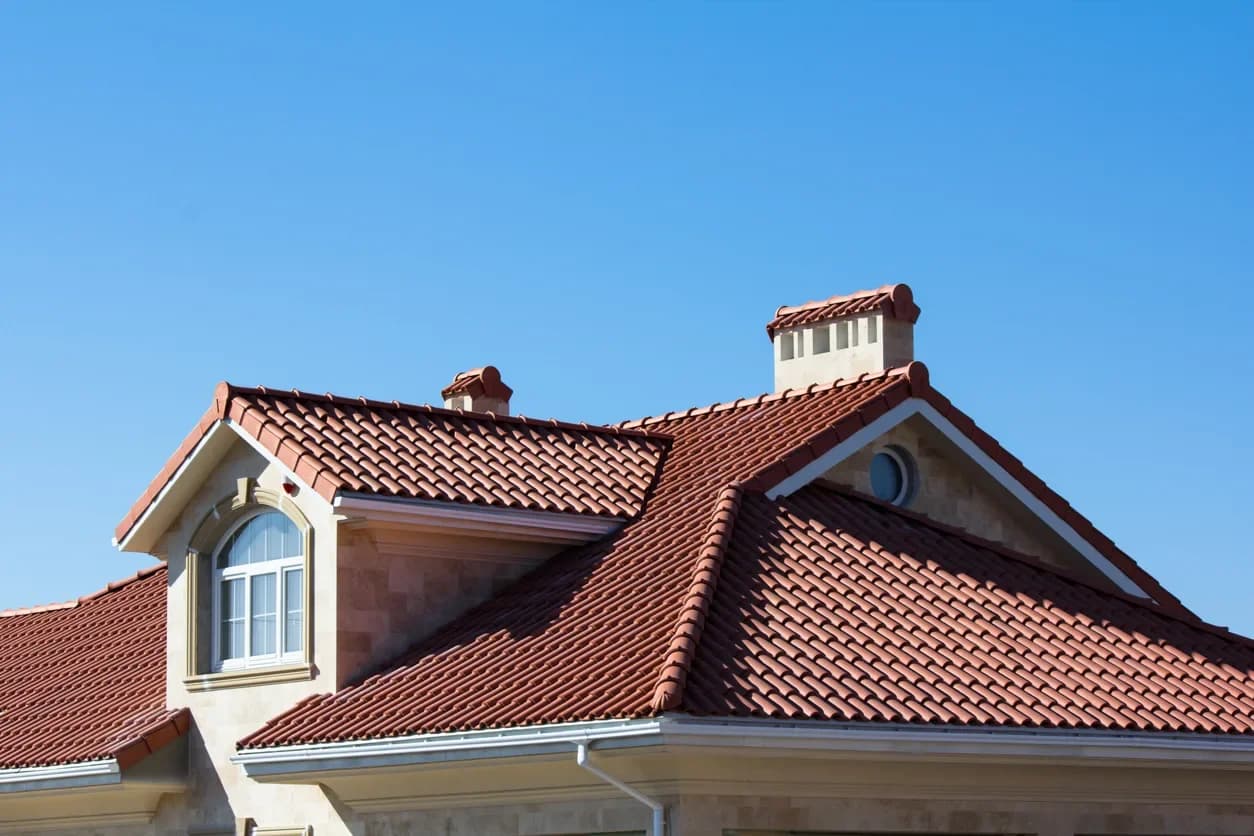
A huge share of San Diego's Spanish and Mediterranean homes wear concrete or clay tile, and there's a stubborn myth that tile is a "lifetime" roof. The tiles themselves nearly are — concrete and clay routinely last 50 years or more. The waterproofing underneath them does not. The felt or synthetic underlayment that actually keeps water out typically fails at 20 to 25 years, which is why we get calls from Kensington, Mission Hills, and Point Loma homeowners whose tiles look flawless from the street but whose ceilings stain after rain.
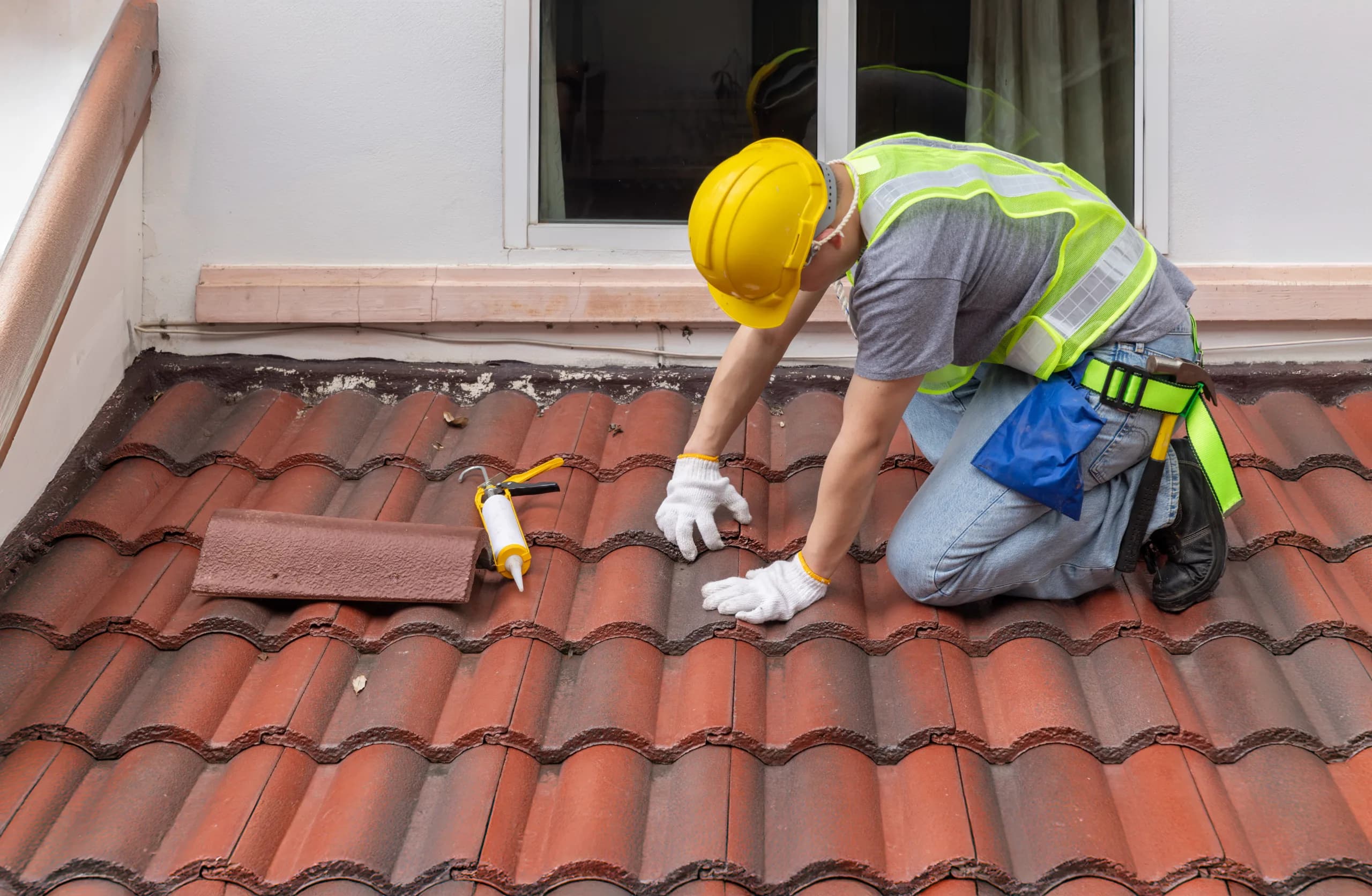
The fix is usually a lift-and-relay (or re-felt): we remove the existing tiles, strip the old underlayment to the deck, install new high-temperature synthetic underlayment, replace broken tiles and corroded fasteners, and re-lay your original tile. Because the tiles are reused, it's a different project from a full tile replacement — which makes sense only when your tile is cracked throughout, delaminating, or a discontinued profile you can't match. Our tile roofing page goes deeper on which route fits which roof.
Choosing a Material for Your Part of the County
San Diego isn't one climate — it's a coast, a marine-layer band, and a hot inland canyon zone, and the smart choice shifts as you move east.
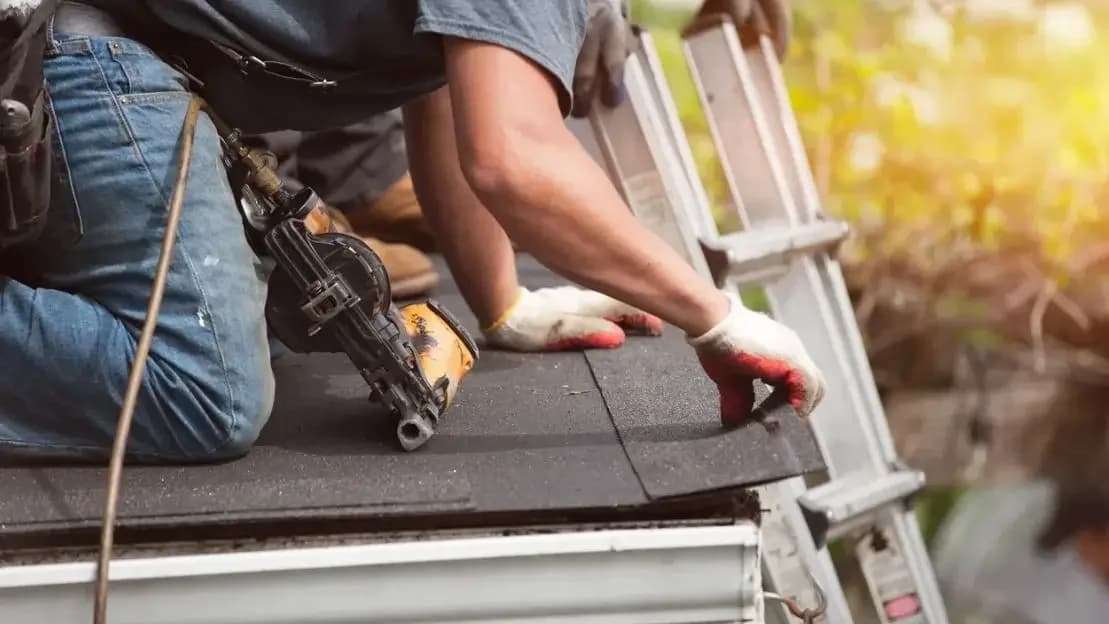
Asphalt shingles. A modern architectural shingle — GAF Timberline HDZ, Owens Corning Duration, or CertainTeed Landmark — is the most common reroof on the roofing market and a sound choice for most inland and mid-county homes. Expect roughly 20 to 30 years of real service, with UV the limiting factor. Proper attic ventilation and a quality underlayment do more for shingle longevity here than any single upgrade.
Tile. Concrete and clay tile suit our Mediterranean architecture and shrug off UV and embers. Treat it as a multi-generational shell over an underlayment you'll refresh every couple of decades — plan your attention for that midlife re-felt, and the tile itself can outlast you.
Standing-seam metal. Metal roofing resists salt-air corrosion and ember intrusion better than almost anything, with a 40-to-70-year service life — a strong long-term play for coastal and wildfire-exposed lots, and it carries water off low pitches that would trouble shingles.
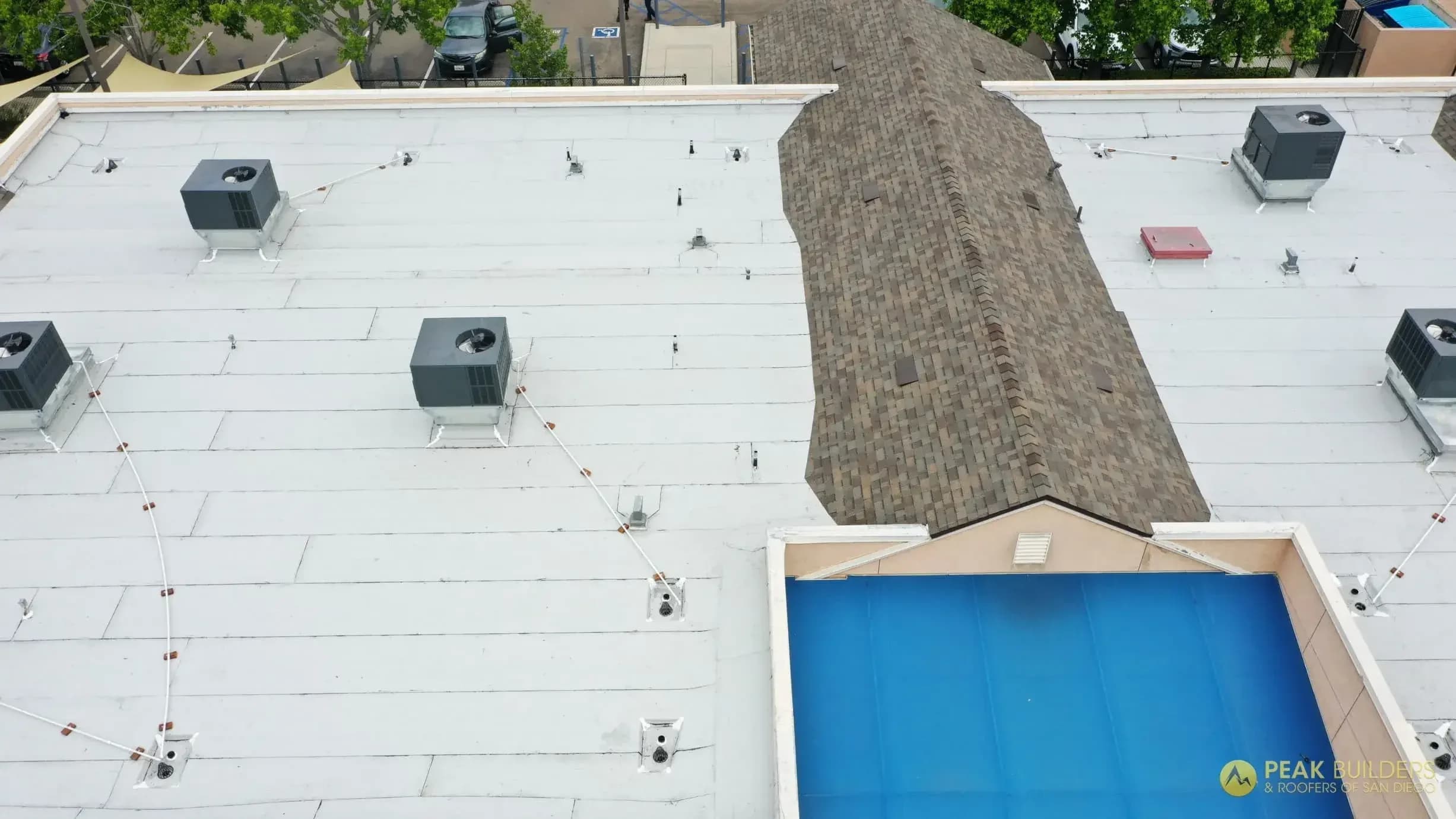
Flat and low-slope membranes. For flat sections, ADUs, and modern low-slope designs, TPO, EPDM, and modified bitumen each have a place — covered on our flat roofing and commercial roofing pages. Membrane choice hinges on slope, foot traffic, and reflectivity.
Building for San Diego's Specific Hazards
The detail work is where a roof earns its decades. Three local conditions deserve named specifications.
Coastal salt air. Within about a mile of the water in La Jolla, Encinitas, Carlsbad, Del Mar, or Coronado, marine air corrodes ordinary galvanized steel — flashing and fasteners rust through and bleed stains down stucco within a few years. The fix is stainless or aluminum flashing and fasteners, regardless of the roofing above them. Skipping this is the most common reason coastal roofs end up in storm damage restoration years too early.
Marine-layer mold and moss. North-facing slopes shaded under the morning marine layer hold moisture and grow moss and mold. We detail those slopes for drainage and airflow and can integrate zinc or copper strips that inhibit growth.
Wildfire and Santa Ana embers. If your home sits in a Wildland-Urban Interface zone — much of Scripps Ranch, Poway, Rancho Santa Fe, Escondido, and the eastern county — your assembly should be a Class A fire-rated system with ember-resistant vents. Most California fire loss comes from wind-driven embers finding attic vents, so this is a code requirement in those zones, not an upgrade. Atmospheric-river winter storms and Santa Ana wind events both test edge details and flashing — where careful workmanship shows.
Title 24 Cool-Roof Rules Now Reach Steep-Slope Homes
San Diego County is California Climate Zone 7, and the energy code now shapes residential reroofs more than it used to. The updated Title 24 standards effective January 1, 2026 extend cool-roof requirements to steep-slope residential re-roofs — previously the strict reflectance rules mostly applied to flat and commercial roofs. In practice, many reroofs now need cool-rated shingles or tile meeting a minimum aged solar reflectance and SRI. The payoff is a cooler attic and a lighter summer cooling load under our intense sun. Any roofer pulling your permit should already be specifying compliant product; a bid that ignores Title 24 is a red flag about the rest of the work.
What the Process Actually Looks Like
A well-run replacement is orderly and predictable:
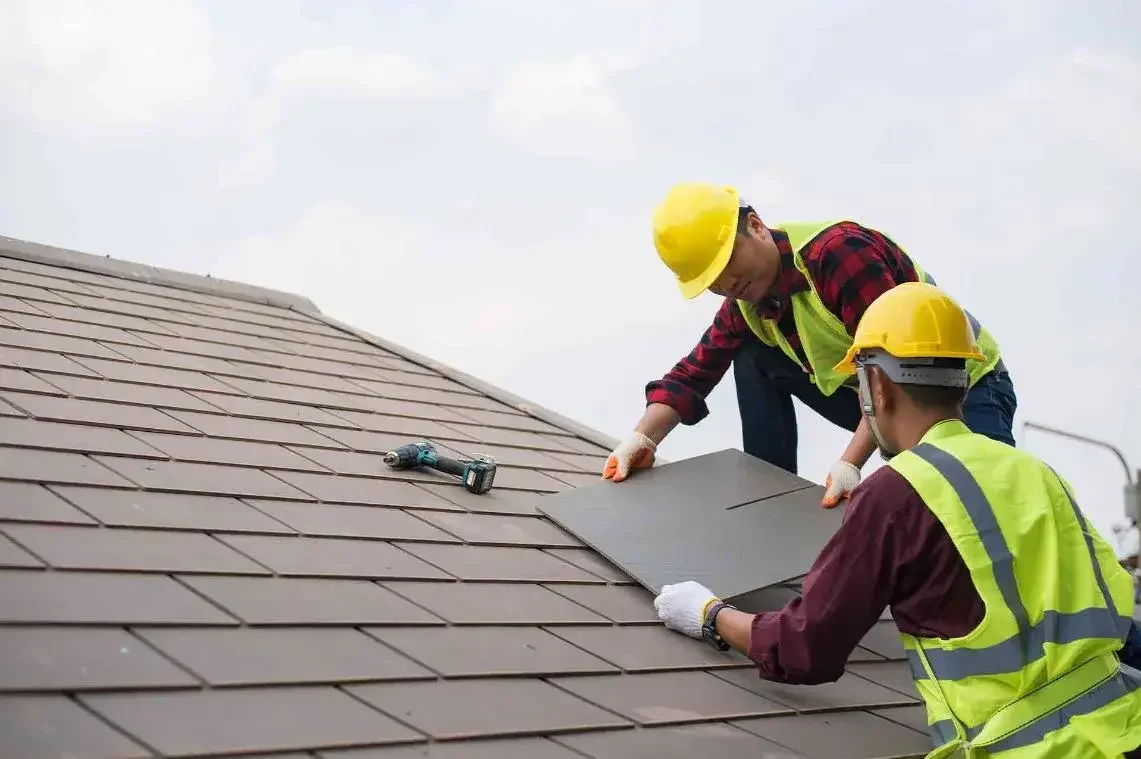
- Inspection and scope. We assess the deck, underlayment, flashing, ventilation, and slope, then write a scope naming the exact products going on your roof.
- Permitting. Most City of San Diego residential roofing permits process in one to three weeks; unincorporated county work and projects near the water touching Coastal Commission jurisdiction take longer. Your contractor handles it.
- Tear-off and deck inspection. The old roof comes off and the sheathing is finally visible. On older homes and tile roofs whose underlayment failed years ago, we routinely uncover rot — a straightforward contractor explains up front how replacement decking is handled, so a soft deck is never an ambush.
- Dry-in. New underlayment and flashing go down — the layer that genuinely waterproofs the roof, and where coastal stainless and aluminum flashing matters.
- Roofing and detailing. Field material, then custom flashing at every chimney, skylight, and vent. These transitions, not the open field, are where most future leaks are won or lost.
- Cleanup and final. Magnetic nail sweep, debris haul-off, and a municipal final inspection.
Once permitted, an average standard-pitch home is usually finished in two to three days; tile and steep roofs run three to five. Specialty tile or custom metal can add weeks of lead time first. It's also the ideal moment for gutter installation — far easier alongside the roof than after.
How to Judge Good Work and a Real Contractor
Because so much of a roof's quality is hidden under the surface, knowing what to look for protects you more than any single spec. When you compare proposals, make the scope match first, and ask each roofer the same questions:
- What underlayment, by name and temperature rating?
- How is replacement decking handled when rot is found?
- What manufacturer warranty, and are you certified to register it?
- Is the installing crew in-house or subcontracted?
That last point ties to warranty depth. As a GAF Master Elite and Owens Corning Platinum Preferred contractor, Peak Builders & Roofers of San Diego can register extended system warranties that non-certified roofers cannot. Always verify a roofer's C-39 license on the CSLB site — ours is CSLB #1008986 — and confirm active liability and workers' comp coverage in writing. A clean record, BBB A+ accreditation, and a 4.9-star rating across 230-plus reviews are easy to check and hard to fake.
Storm and wind damage is often covered by homeowner's insurance; if you suspect a covered event, document it and file before scheduling work, and we'll provide the inspection record to support the claim.
Frequently Asked Questions
My tiles look fine — why would I need a new roof?
Because the tile and the waterproofing are two different things. Concrete and clay tiles last 50-plus years, but the underlayment beneath fails at 20 to 25 — which is why San Diego tile roofs leak while the tiles still look perfect. The fix is often a lift-and-relay: new underlayment under your existing tile. A roof inspection confirms whether yours has reached the end.
How do I know whether to repair or replace?
It comes down to condition, age, and how widespread the damage is. Isolated issues like a few lifted shingles or one flashing leak are repairs. Systemic failure — failed underlayment across the deck, multiple leaks, soft or sagging decking — means replacement. An inspection gives a documented answer for your roof.
Does a new roof in San Diego have to meet cool-roof code now?
For many homes, yes. As of January 1, 2026, California's Title 24 standards extend cool-roof reflectance requirements to steep-slope residential re-roofs in Climate Zone 7, which includes San Diego County. A properly licensed roofer will specify compliant shingles or tile and build the requirement into the permit.
What roofing material holds up best near the coast?
Prioritize corrosion resistance. Spec stainless or aluminum flashing regardless of roof type, and consider standing-seam metal or tile over asphalt for longevity. The salt air in La Jolla, Encinitas, and Coronado rewards corrosion-resistant detailing far sooner than inland conditions do.
How long does a roof replacement take?
Most standard-pitch San Diego homes are finished in two to three days once the permit clears, with permitting itself taking one to three weeks. Tile and steep hillside roofs run three to five days.
Ready to find out where your roof stands? Call the San Diego roofers at Peak Builders & Roofers of San Diego at (619) 330-8185 or request a free, no-obligation inspection and quote. We serve La Jolla, Carlsbad, Encinitas, Del Mar, Coronado, Chula Vista, Poway, Point Loma, Escondido, El Cajon, Oceanside, Rancho Santa Fe, Scripps Ranch, Santee, and the rest of San Diego County.