Storm Damage Signs: When Your San Diego Roof Needs Urgent Repair
If you see new ceiling stains, displaced tiles, lifted or rusted flashing, or granules piling up in your gutters, your San Diego roof is telling you it will not survive the next atmospheric-river storm without repair. The most urgent signs are interior water staining, missing tiles or shingles after a Santa Ana wind event, daylight visible from the attic, and any soft or sagging spot in the deck — each means water already has, or is about to have, a path inside. The honest reality after 25 years and 5,000-plus roofs across the county is that almost every "sudden" storm leak was visible weeks earlier to anyone who knew where to look.
San Diego only averages about 10 to 11 inches of rain a year, and that lulls people into ignoring their roofs. But our rain doesn't fall gently across twelve months — it arrives in a handful of concentrated winter systems, and a single atmospheric river can drop more water in 48 hours than we see all summer. A roof with a hidden weakness is fine in July and an emergency the first weekend in January. Here's what we look for and how to tell which problems demand action before the rain returns.
Why the timing of repairs matters so much in San Diego
The window to fix a roof calmly is September through early December. Once the first real system rolls through, every reputable roofer in the county is buried, emergency response stretches to days, and — worst of all — the water is already inside, so the damage compounds by the hour. Tarping a roof in 40-mph wind and sideways rain is not a repair; it's triage. Getting ahead of the season means working on your own schedule, with time to order the correct materials. If you've never had a baseline assessment, a professional roof inspection before October is the single highest-return thing you can do for the house — we document condition in writing so you know what's urgent, what can wait a season, and what's simply normal aging.
The signs that mean "repair now," not "watch it"
Interior ceiling stains. Brown or yellow rings — even old, dry ones — mean water has already found a path through the roof, the underlayment, and the deck before reaching your drywall. A dry stain has not healed itself; the entry point is still open and the next rain reopens the route. This is the clearest call-us-this-week signal there is.
Granules collecting in gutters. Asphalt shingles like GAF Timberline HDZ and Owens Corning Duration shed their protective mineral granules as San Diego's intense year-round UV bakes the asphalt. A coffee-can's worth of granules in the gutter means the mat underneath is going bare, and bare asphalt is permeable. Once you can see smooth, granule-free patches from a ladder, that section is on borrowed time.
Cracked, curled, or cupped shingles. Shingles that lift at the edges or cup in the center have lost their flexibility and their seal, and wind-driven rain — the kind a winter storm delivers in horizontal sheets — pushes straight up and under those edges. Curling across a whole slope usually means the field is at end of life and you're looking at roof replacement rather than spot repair.
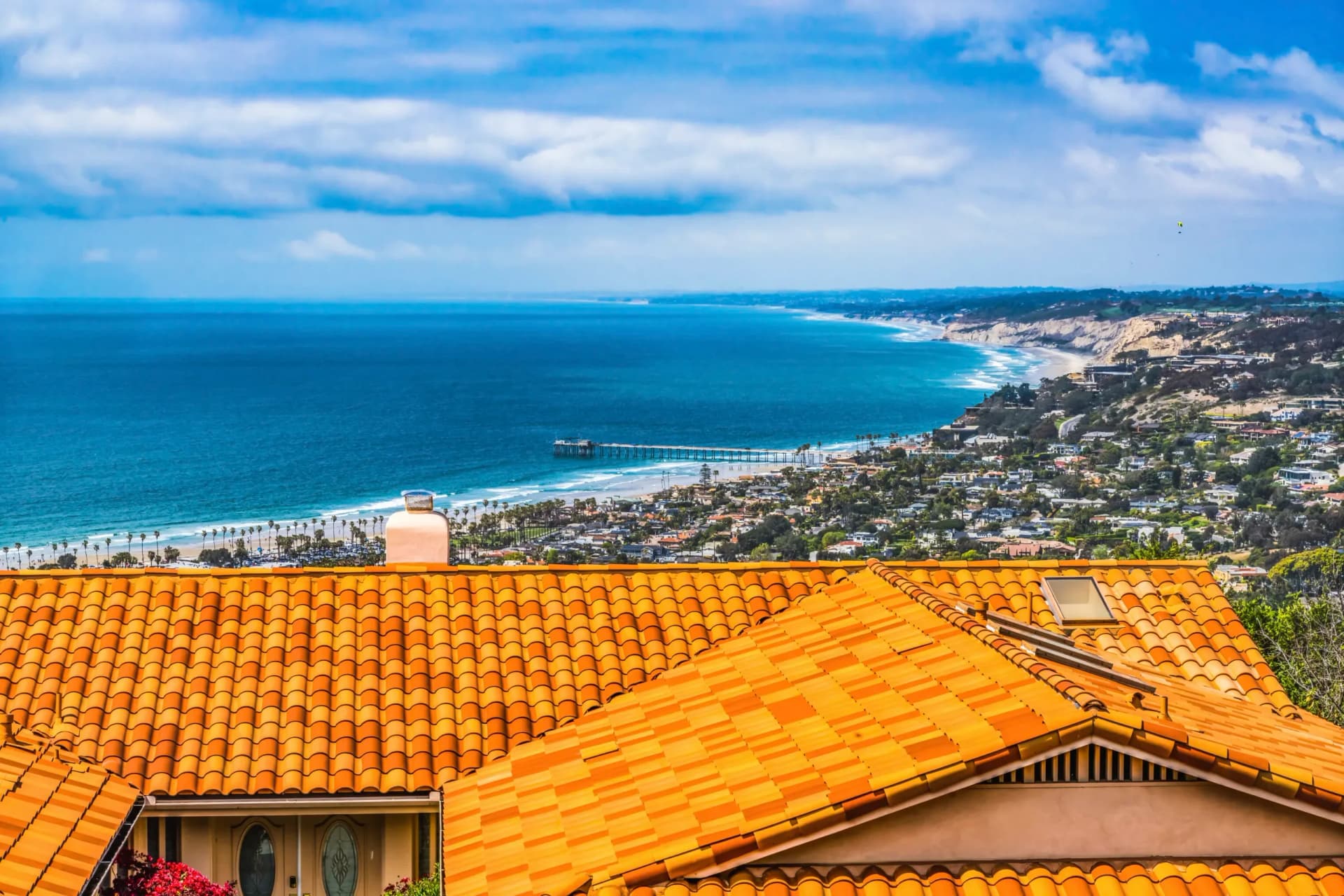
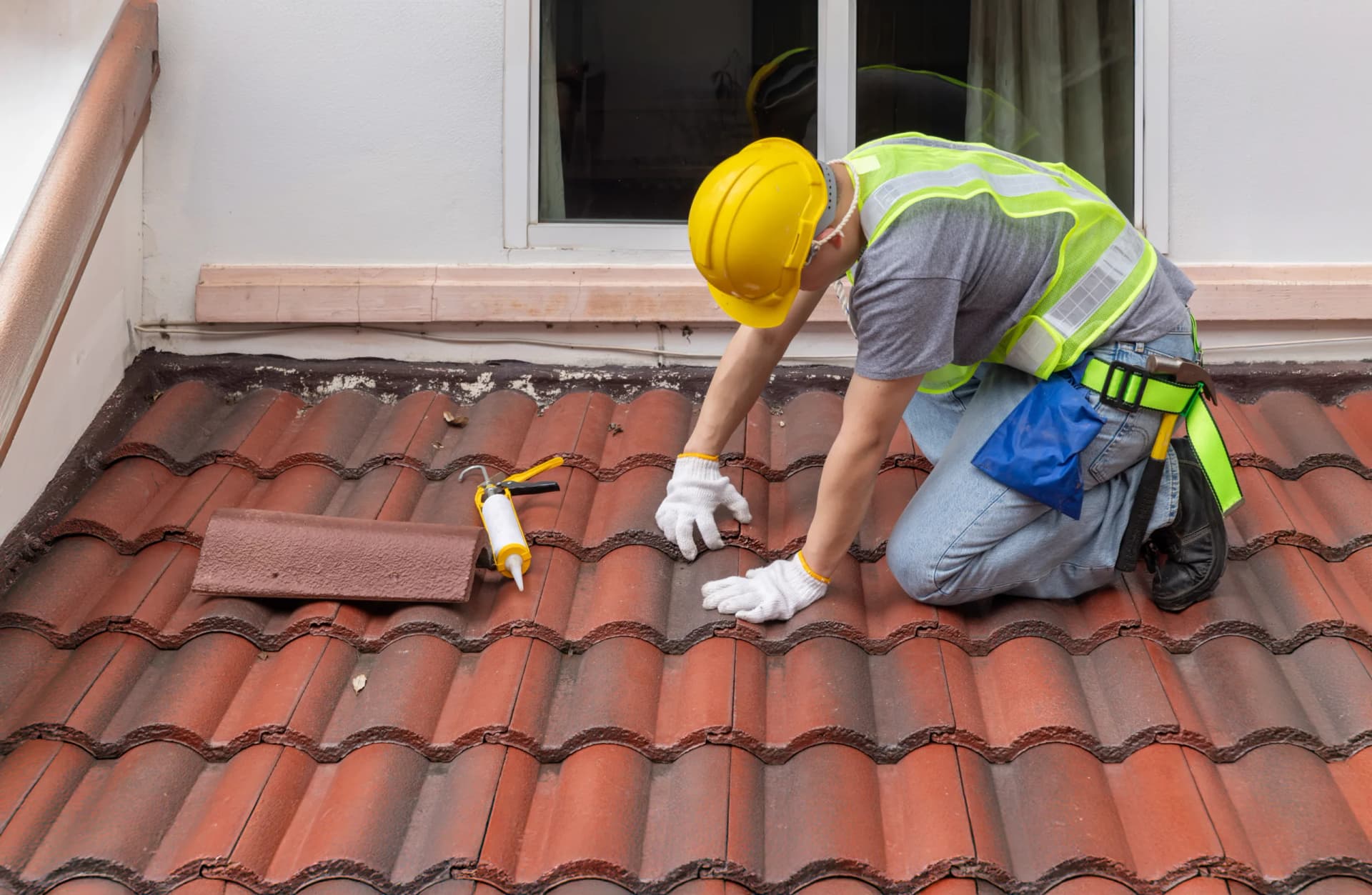
Missing or slipped tiles. This is where San Diego differs from almost everywhere else. Our Spanish and Mediterranean housing stock is dominated by clay and concrete tile, and tile is genuinely a 50-plus-year material. Here's the truth most homeowners never hear: the tile is not what keeps water out — the underlayment beneath it is, and that felt or synthetic membrane fails at roughly 20 to 25 years. So on a 1990s tile roof in Scripps Ranch or a 1920s clay roof in Kensington, we routinely find flawless-looking tiles sitting over underlayment that's cracked and crumbling. When a Santa Ana event slides or breaks a tile, it exposes that already-tired membrane directly to the storm. If your tile roof leaks while the tiles look fine, you don't need new tiles — you need a tile underlayment replacement, the most common high-value repair we do.
Rusted, lifted, or daylight-around flashing. Flashing at chimneys, skylights, sidewalls, and valleys should sit flat and tight. Near the coast — La Jolla, Del Mar, Coronado, Point Loma, Encinitas — salt-laden marine air corrodes galvanized steel flashing far faster than inland, which is why we spec stainless or aluminum within a few miles of the water and why the same corrosion logic shapes our metal roofing recommendations. If your coastal home still has rusting galvanized flashing, those joints are the likeliest leak source in the house.
Soft spots, sagging, and daylight in the attic. A spongy feel underfoot or a visible dip from the street means the plywood deck may already be rotted — that's structural, not cosmetic. Pair that with an attic check on a bright day: pinpoints of light through the deck are open water paths, and dark streaking or damp insulation confirms an active leak. North-facing slopes deserve extra scrutiny, because San Diego's marine layer keeps those shaded planes damp long enough to grow mold and moss that hold moisture against the roof and speed up rot.
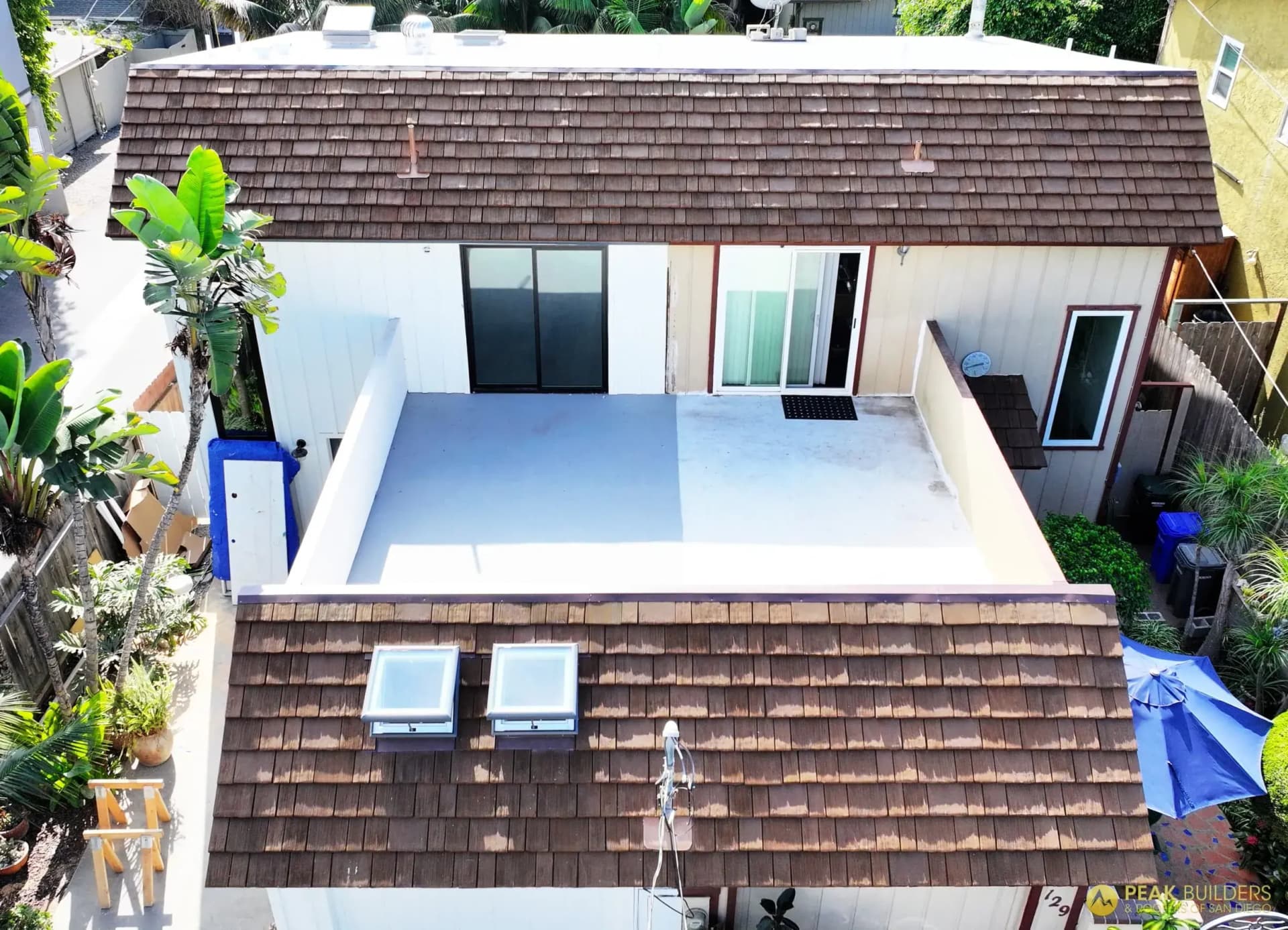
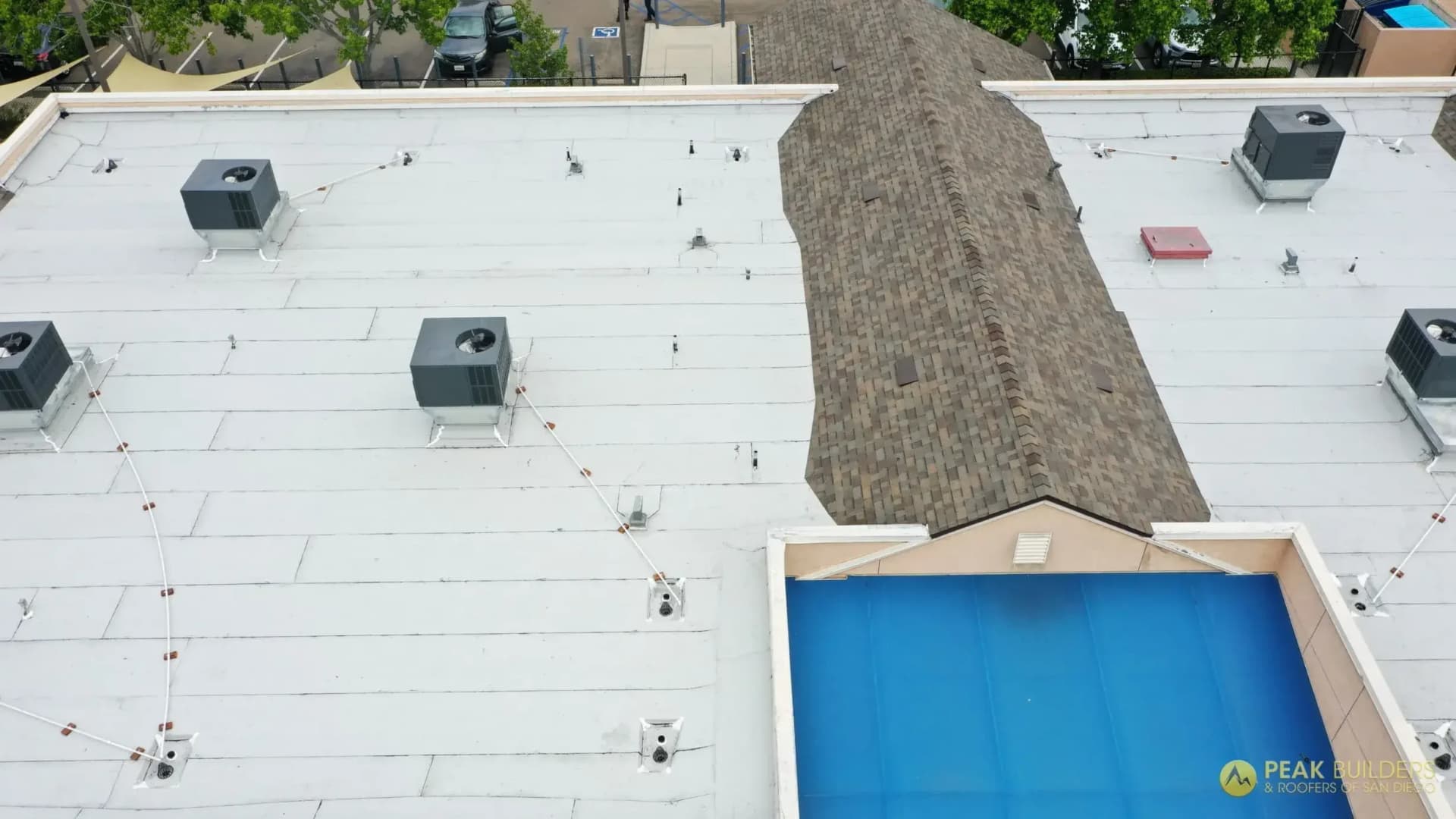
Clogged gutters and standing water on flat roofs. Overflowing gutters drive water back under the roof edge and rot the fascia, which is why we treat gutter maintenance and replacement as part of storm prep. On the flat and low-slope sections common over San Diego additions and mid-century homes — TPO, EPDM, and modified bitumen — ponding water that lingers more than 48 hours after rain signals failed slope or tired seams. Those membranes belong to our flat-roofing work and need different eyes than a slope.
After every storm and wind event, look again
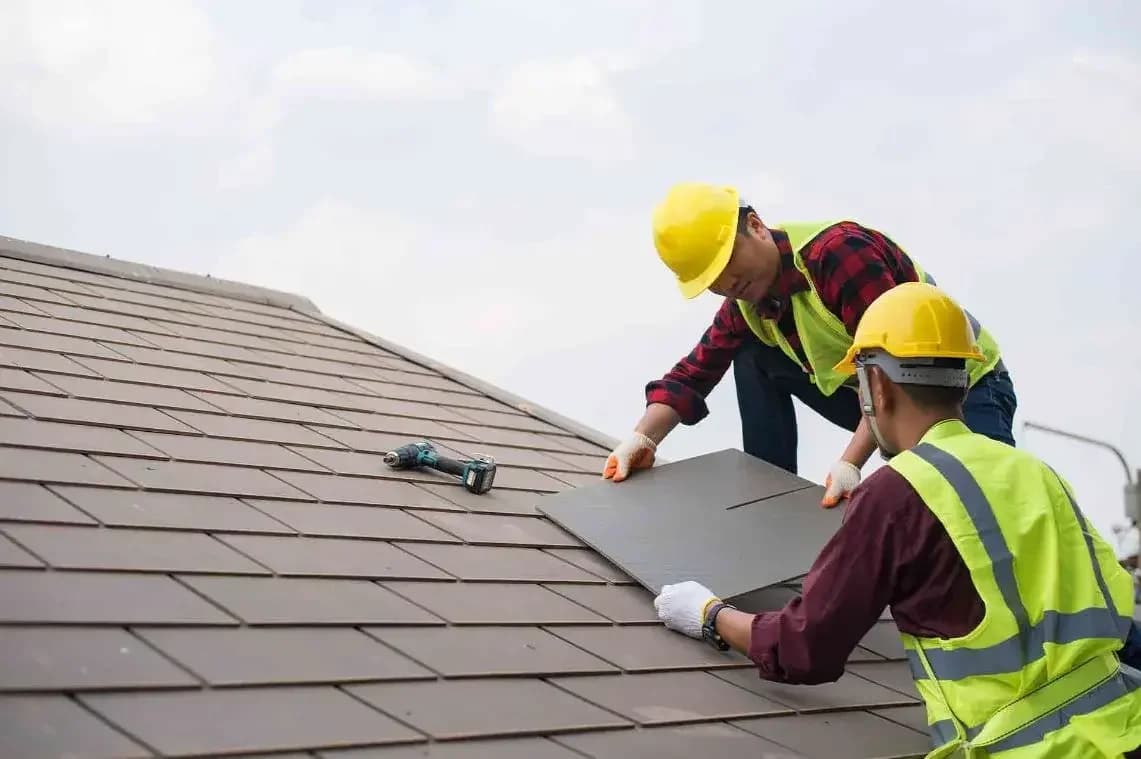
Even a sound roof can take a hit. After a Santa Ana wind or ember event, walk the perimeter for slipped or cracked tiles, lifted flashing, and blown-off shingles; after the first rain, check ceilings and the attic for new staining. A single cracked tile can route water for weeks before it shows up indoors. If a storm has already gotten through, our storm-damage restoration crew handles emergency dry-in, insurance documentation, and the permanent repair as one job.
Repair or replace? Judge by condition, not the calendar
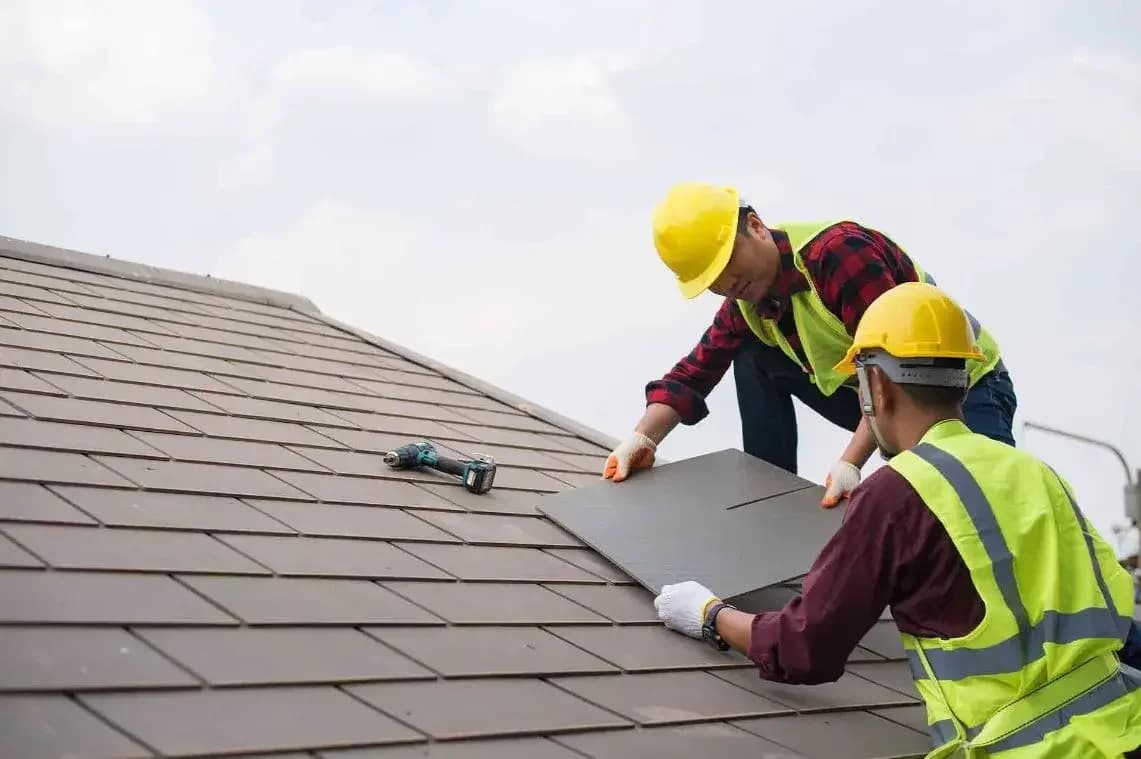
The decision to patch a slope or re-roof the house comes down to material, age, and how widespread the failure is. A handful of cracked tiles over sound underlayment is a repair; granule loss and curling across an entire asphalt field is end of life. We weigh whether the damage is isolated or general, whether the deck is still solid or soft and delaminating, and how old the waterproofing is relative to its service life — roughly 20 to 30 years for asphalt shingles, 20 to 25 years for tile underlayment, 50-plus years for the tile itself.
When we recommend roof repair it's because the rest of the system has real life left and the problem is contained. When we point toward replacement, the underlying layer has aged out and spot fixes would just chase leaks from slope to slope. Either way, the standard for good work is the same: correct underlayment and ice-and-water detailing at valleys and penetrations, properly lapped and corrosion-matched flashing, manufacturer-spec fastening, and adequate attic ventilation so the new roof doesn't cook itself from below. Those details decide whether a roof reaches its full rated life — and they're what a homeowner should ask any contractor to show in writing.
What a pre-storm inspection actually covers
A thorough assessment is more than a glance from the driveway. We walk every slope and check the field material — shingle, tile, or membrane — inspect flashing at every penetration, confirm gutters drain away from the foundation, check the attic for moisture and daylight, and probe flat sections for ponding and seam integrity. You get a written report with photos that separates "fix before the rain," "monitor," and "normal for its age." Commercial and multi-tenant buildings get the same workflow through our commercial roofing team.
One more thing for 2026: Title 24 now reaches steep-slope roofs
San Diego sits in California Climate Zone 7, and the 2025 Title 24 energy standards — effective January 1, 2026 — newly extend cool-roof requirements to steep-slope residential re-roofs, not just flat ones. If a storm forces a re-roof this winter, the replacement material and any required attic ventilation or insulation upgrades now have to meet those cool-roof rules — good news for summer attic temperatures and long-term energy performance. In our fire zones, that re-roof should also be a Class A fire assembly with ember-resistant vents under WUI requirements. This is why a storm "repair" sometimes becomes a code-driven replacement, and why working with a licensed contractor who pulls the right City of San Diego, County, or Coastal Commission permit matters — we handle that paperwork as part of the job.
Get a baseline before the next system
If you'd like your roof assessed before the next system, our San Diego roofing team inspects across La Jolla, Carlsbad, Encinitas, Del Mar, Coronado, Chula Vista, Poway, Point Loma, Escondido, El Cajon, Oceanside, Rancho Santa Fe, Scripps Ranch, and Santee. Peak Builders & Roofers of San Diego has held CSLB license #1008986 since 1999, carries GAF Master Elite and Owens Corning Platinum Preferred credentials, and holds a 4.9-star rating across 230-plus reviews with an A+ BBB record. Call (619) 330-8185 or request a free, no-obligation inspection and quote before the rain decides for you.
Frequently Asked Questions
How do I know if my San Diego tile roof needs repair when the tiles look perfect?
Look down, not at the tiles. On clay and concrete tile roofs the waterproofing is the underlayment beneath the tile, and it fails at about 20 to 25 years while the tile lasts 50-plus. If you see ceiling stains or attic moisture but the tiles look intact, the underlayment is almost certainly the culprit — a tile underlayment replacement reuses your existing tiles and solves the leak without a tear-off.
When should I schedule a pre-storm roof inspection?
September through early December — before San Diego's winter atmospheric-river systems arrive, while roofers still have open schedules. Waiting until the first storm means competing for emergency slots while water is already inside. A pre-season inspection gives you time to fix problems calmly and order the correct materials.
Why does flashing rust faster on coastal San Diego homes?
Salt-laden marine air corrodes galvanized steel flashing quickly within a few miles of the coast. In La Jolla, Del Mar, Coronado, and Point Loma we spec stainless or aluminum instead, because corroded flashing at chimneys, skylights, and valleys is the single most common leak source on older coastal roofs.
Is storm damage covered by homeowners insurance?
Sudden, storm-caused damage — wind-lifted shingles, impact from flying debris, a tree limb through the deck — is typically covered, while gradual wear and deferred maintenance is not. Documentation makes or breaks the claim, which is why our storm-damage restoration team photographs everything for your adjuster.
Should I repair or replace a roof that's past 20 years old?
It depends on the material and the failure pattern, not the age alone. Asphalt shingles last 20 to 30 years, so widespread curling or granule loss usually points to replacement; a tile roof of the same age may just need new underlayment. A written inspection tells you which camp you're in, and our roofing team gives the honest answer either way.