
Workers Compensation and Insurance: What San Diego Homeowners Should Know
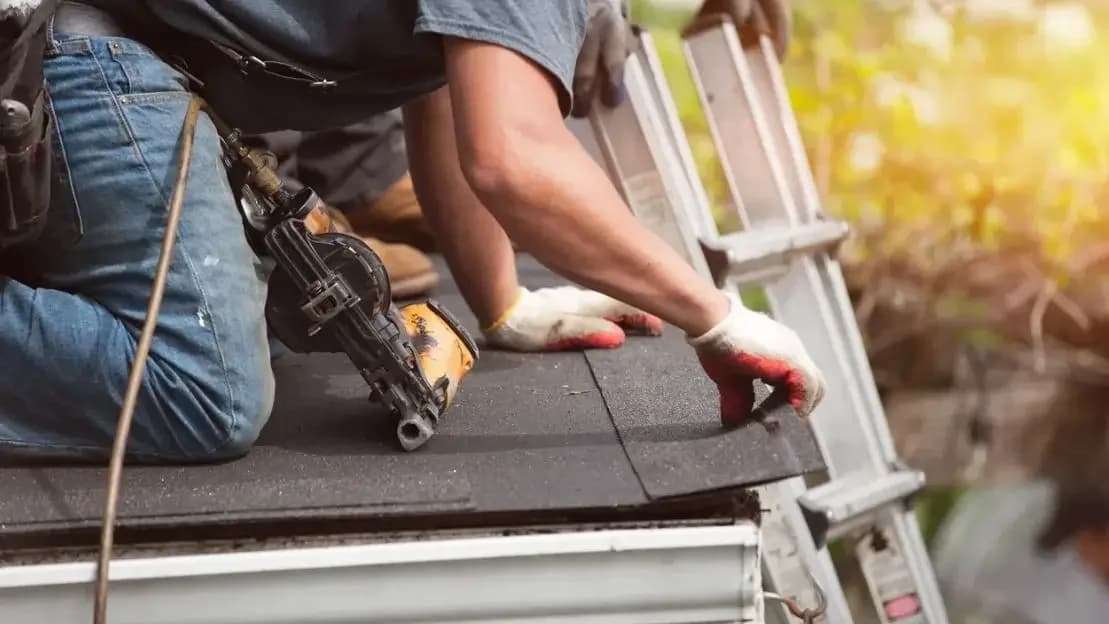
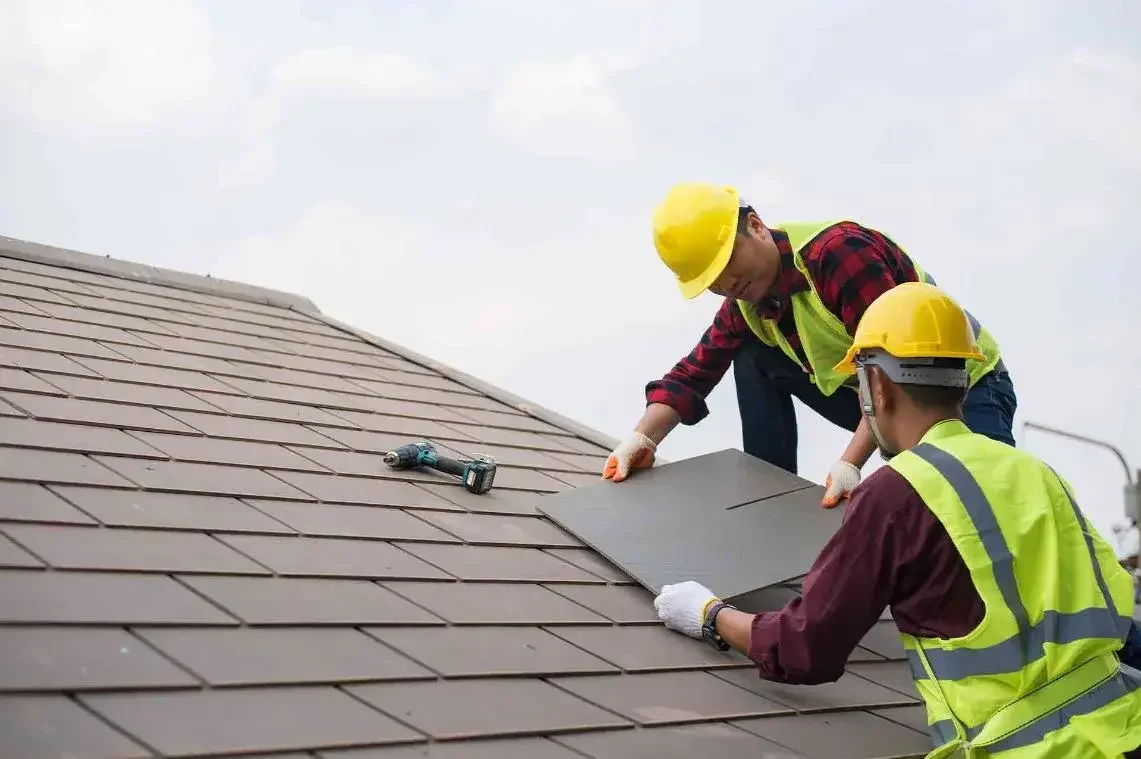
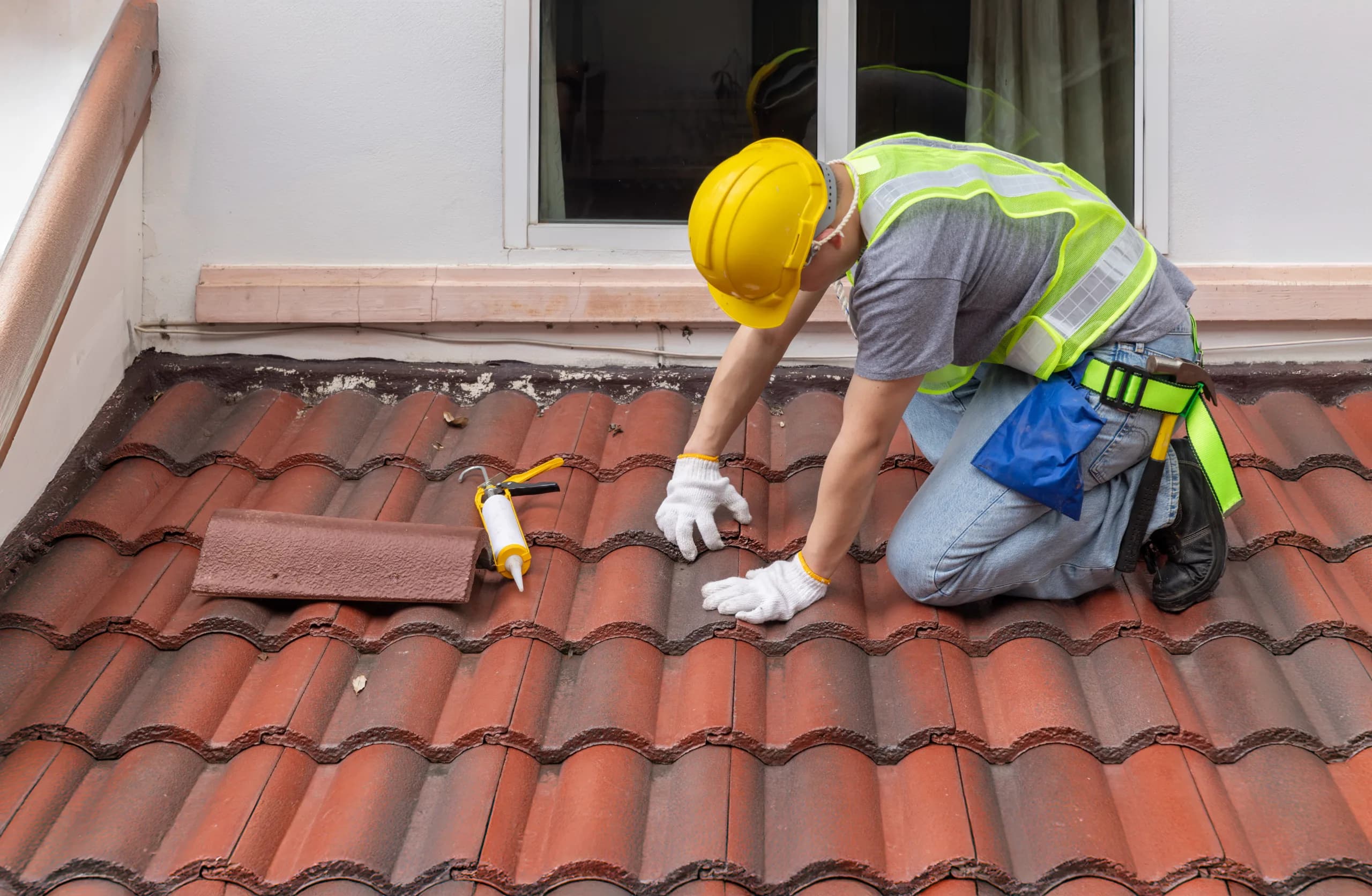
Roofing is one of the most hazardous trades in the construction industry. Falls, material handling injuries, and other worksite accidents are genuine risks. When you hire a roofing contractor, the question of insurance isn't just a formality — it directly affects your financial and legal exposure as a property owner.
Why Contractor Insurance Matters for Homeowners
Workers' compensation protects you from injury liability. If an uninsured roofer is injured on your property, you — as the property owner — may be legally responsible for their medical bills, lost wages, and other damages. This is not a hypothetical risk. California property owners have faced significant liability from injuries involving uninsured contractors.
Workers' compensation insurance covers injuries to employees regardless of fault. When a contractor carries workers' comp, their employees are covered, and your homeowner's insurance policy is not drawn into the claim.
General liability protects you from property damage claims. If a roofing crew drops equipment through a skylight, backs a truck into your fence, or causes water damage during a repair, general liability insurance covers the damage. Without it, you're pursuing the contractor personally for payment — which may be difficult or impossible.
Insurance Requirements in California
California law requires that contractors with employees carry:
Workers' Compensation Insurance. Required for any contractor with employees. Covers medical expenses and a portion of lost wages for workers injured on the job.
Contractors' General Liability Insurance. Not legally required but universally expected by professional contractors and required by most property owners. Covers property damage and bodily injury caused by contractor operations.
The Contractors State License Board (CSLB) requires active insurance filings as a condition of holding a valid C-39 license. However, policies can lapse — always request a current certificate of insurance before allowing any contractor to begin work.
What to Request Before Work Begins
Before signing a contract with any roofing contractor, request:
Certificate of Insurance — This is a standardized document that lists:
- The name of the insurer
- Policy numbers
- Coverage amounts
- Policy effective and expiration dates
- Your name or property address as the certificate holder
Review the expiration dates. A certificate that expired last month provides no coverage.
Workers' Compensation Evidence of Coverage — Verify this is current and covers the workers who will actually be on your property.
Ask to be named as an additional insured — This is a common request for larger commercial projects. It means the contractor's liability policy extends to cover your interests as the property owner. Not always possible on residential policies, but worth asking.
Peak Builders & Roofers: Our Coverage
We carry:
General Liability Insurance — Comprehensive coverage for property damage and bodily injury arising from our roofing operations. Coverage limits appropriate for both residential and commercial projects.
Workers' Compensation Insurance — All field employees are covered. We don't use uninsured day labor or subcontractors who lack their own coverage.
C-39 Roofing Contractor License — Valid and in good standing with the California Contractors State License Board. License number available upon request and verifiable at cslb.ca.gov.
We provide certificates of insurance to homeowners and property managers before any project begins. We never ask you to simply take our word for it.
Safety Practices on the Job
Beyond insurance, we take job site safety seriously:
- Fall protection — Crew members on pitched roofs above a threshold height use harness systems anchored to approved anchor points
- Proper footwear — Non-slip footwear is required on all roof surfaces
- Material handling — Shingle bundles and equipment are handled with proper lifting techniques and mechanical assistance where applicable
- Perimeter protection — Debris tarps and dumpster staging protect your property from falling material
- Daily cleanup — Magnetic roller sweeps for roofing nails; complete debris removal daily
Safety isn't just a liability management strategy — it's the right way to run a construction project.
Verifying Any Contractor You Consider
Before hiring any roofing contractor in San Diego, verify:
- C-39 license is active — check cslb.ca.gov using the contractor's name or license number
- No disciplinary actions or complaints — visible on the CSLB search result
- Insurance is current — request a certificate, don't just accept verbal assurances
- Workers' comp coverage — separate verification from general liability
The CSLB also maintains a list of contractors who have had their license revoked, suspended, or subjected to disciplinary action. A clean license history is a meaningful indicator of contractor reliability.
Service Areas
We serve homeowners and property owners throughout San Diego County, including San Diego, Chula Vista, El Cajon, La Mesa, Santee, Lakeside, Spring Valley, Lemon Grove, National City, and more.
Hire With Confidence
Call (619) 330-8185 or visit our contact page. We'll provide all insurance documentation before any work begins. Peak Builders & Roofers of San Diego — GAF Master Elite certified, C-39 licensed, fully insured, serving San Diego County since 1999.