
Shingle Options for San Diego Roofs: Asphalt, Wood, Tile, and Metal
If you're re-roofing a San Diego home, the four realistic choices are asphalt shingles, wood shakes, concrete or clay tile, and metal — and the right one is dictated less by personal taste than by your home's architecture, your fire zone, and how close you are to salt water. Below is how each material actually performs in our climate, how long each one lasts in years, and the local code and coastal realities that quietly decide the outcome.
Most homeowners come to a roof replacement thinking the visible material is the whole decision. It isn't. After more than 5,000 San Diego roofs since 1999, the thing we spend the most time explaining is that the part you can see — the shingle, the tile, the panel — is rarely what fails first. The assembly underneath it does.
The San Diego climate factor that changes everything
Our weather is mild on a thermometer and brutal on a roof. Year-round UV is the single most relentless force: there's no long winter dormancy, so asphalt binders and any exposed rubber or sealant age every month of the year. Layer on Santa Ana wind and ember events in the fall, atmospheric-river storms that can dump two to three inches in a day each winter, marine-layer humidity that grows moss and mold on shaded north slopes, and — within a mile or two of the water in La Jolla, Point Loma, Coronado, Del Mar, and Oceanside — salt air that corrodes metal fasteners and flashing from the inside out.
That coastal corrosion point deserves emphasis because it's where we see the most premature failures. Galvanized (zinc-coated) flashing and fasteners are fine inland but rust quickly near the surf. On coastal jobs we spec stainless-steel or aluminum flashing and fasteners, not galvanized — a detail that decides whether your flashings outlive the roof or fail in a decade. When you evaluate any bid, the metals at the valleys, sidewalls, and penetrations tell you more about the roof's real lifespan than the brand on the shingle.
Asphalt shingles: the default for a reason
Asphalt is the most-installed roofing material in the country and the workhorse of San Diego re-roofs. The honest version of the pitch is that it earns you a Class A fire rating, a huge color palette, and easy future repairs — in exchange for the shortest lifespan of the four.
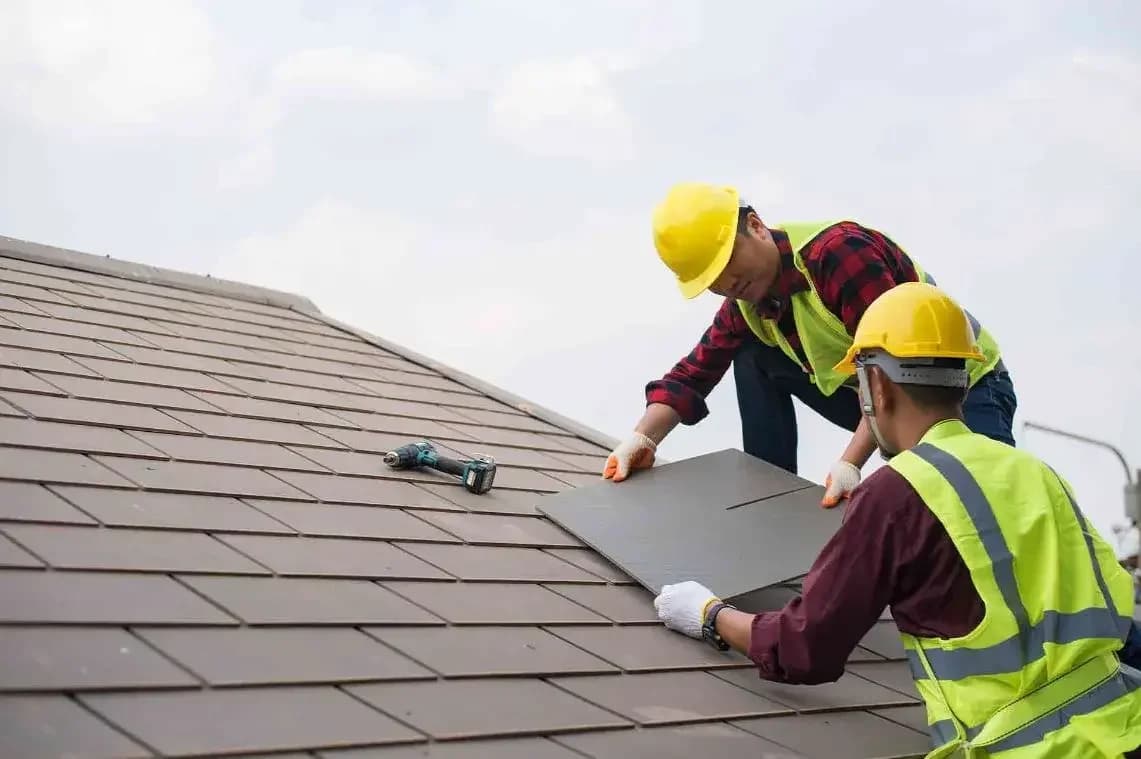
Three-tab shingles (flat profile, 20–25 years) have largely given way to architectural / dimensional shingles, which layer the mat for a thicker look, better wind ratings, and a 25–35 year service life. The products we install most are GAF Timberline HDZ and Owens Corning Duration, with CertainTeed Landmark as a common alternative — all available in lighter, reflective "cool roof" colors, which matters under Title 24 (more on that below). As a GAF Master Elite and Owens Corning Platinum Preferred contractor — a status fewer than the top few percent of roofers hold — we can register the manufacturer-backed system warranties that single-installer shops simply can't.
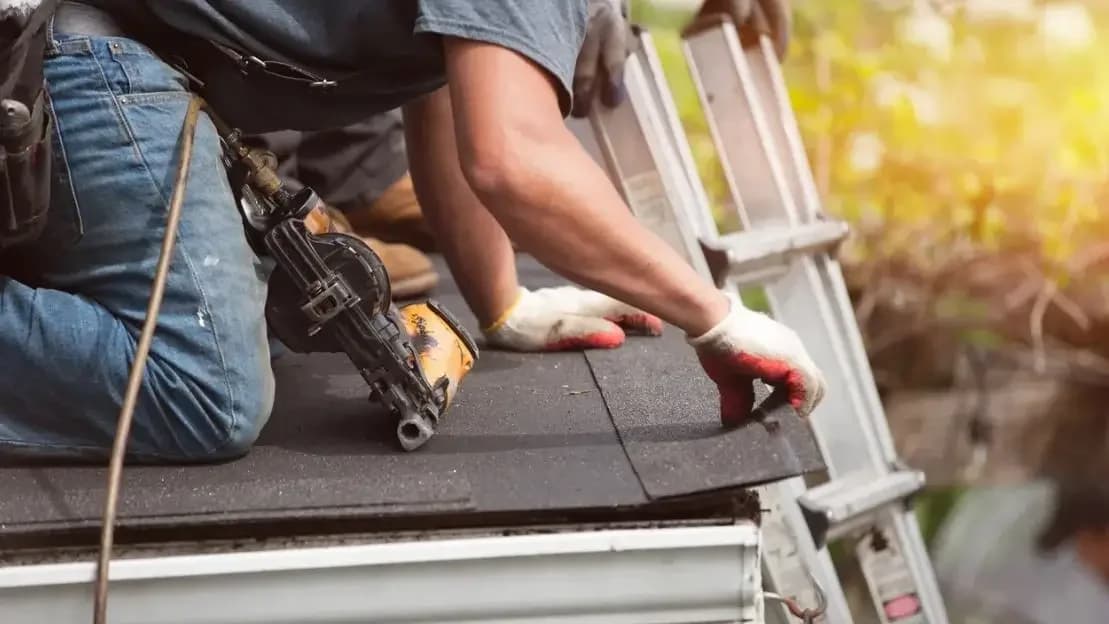
Asphalt's weakness in our climate is UV-driven aging; a south- or west-facing slope with no shade reaches the end of its granule life noticeably faster than the rest of the roof. When you judge an asphalt install, look at the unglamorous details: full starter strips at eaves and rakes, six nails per shingle in our wind zones, and properly woven or metal-lined valleys. Those are the things that separate a roof that lasts its rated life from one that lifts in the first Santa Ana.
Wood shakes and shingles: beautiful, but fighting the fire code
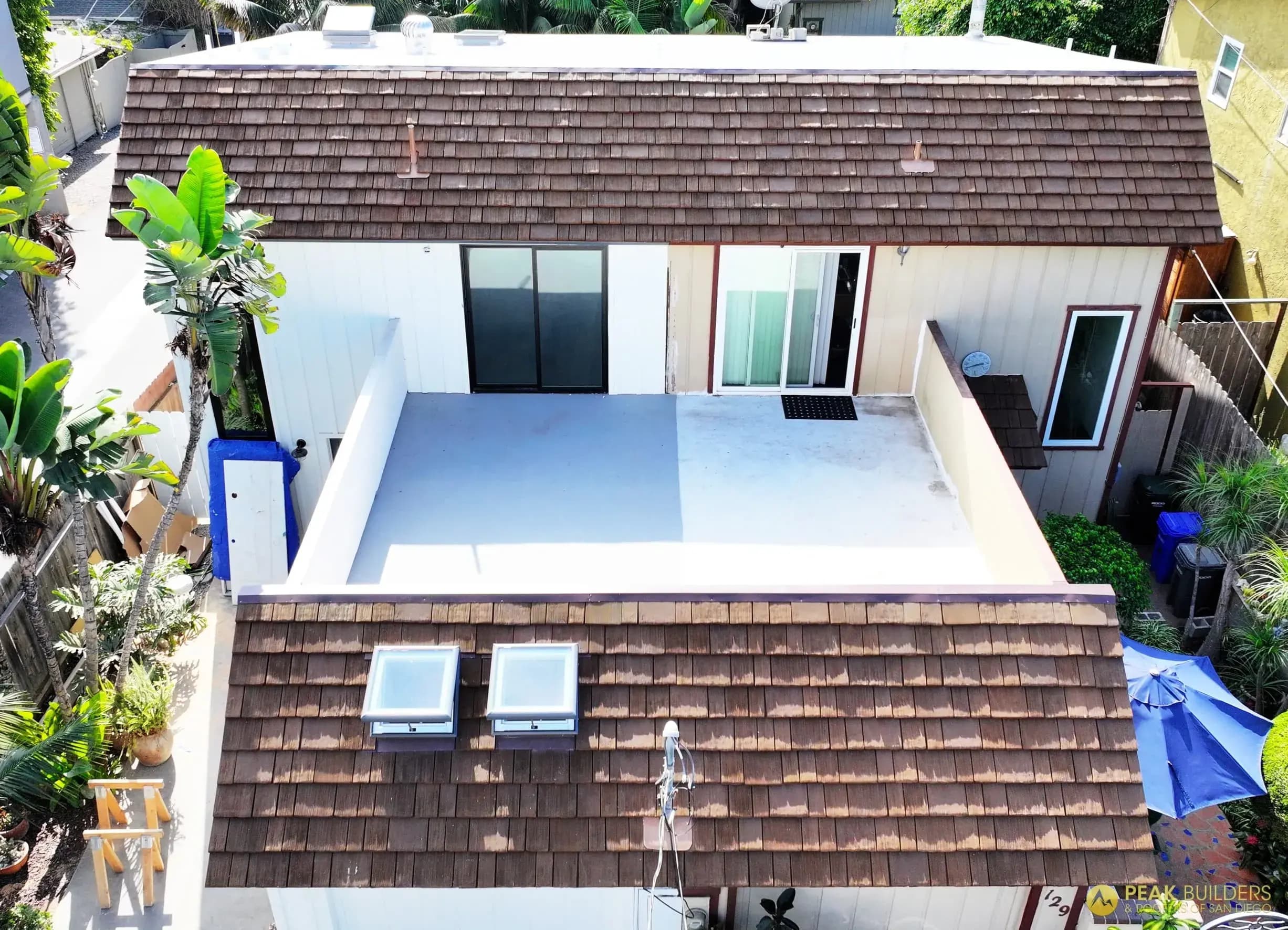
Western Red Cedar shakes look right on a Craftsman or bungalow, and nothing quite replicates that texture. But California's fire codes have made wood a hard sell. Untreated shakes are effectively un-permittable in most of the county, and in the Wildland-Urban Interface (WUI) zones that ring San Diego's canyons and eastern communities, you need a full Class A fire assembly — which means factory fire-treated shakes over the right underlayment, plus ember-resistant attic vents.
Even where it's allowed, cedar is high-maintenance here: it needs periodic cleaning and preservative treatment, it grows mold on damp north slopes, and salt air shortens its life. Plan on 20–25 years with diligent upkeep. For most clients we end up steering toward a metal or composite shingle that mimics shake without the fire and maintenance liability.
Tile: San Diego's signature roof — and its most misunderstood failure
Drive through Kensington, Mission Hills, Rancho Santa Fe, or any Spanish/Mediterranean tract and you're looking at a sea of barrel and S-tile. Tile is the dominant local material for good reason: it's Class A fire-rated, it shrugs off UV, and the tile itself lasts a very long time — concrete 30–50 years, clay genuinely 50-plus years, often a century.
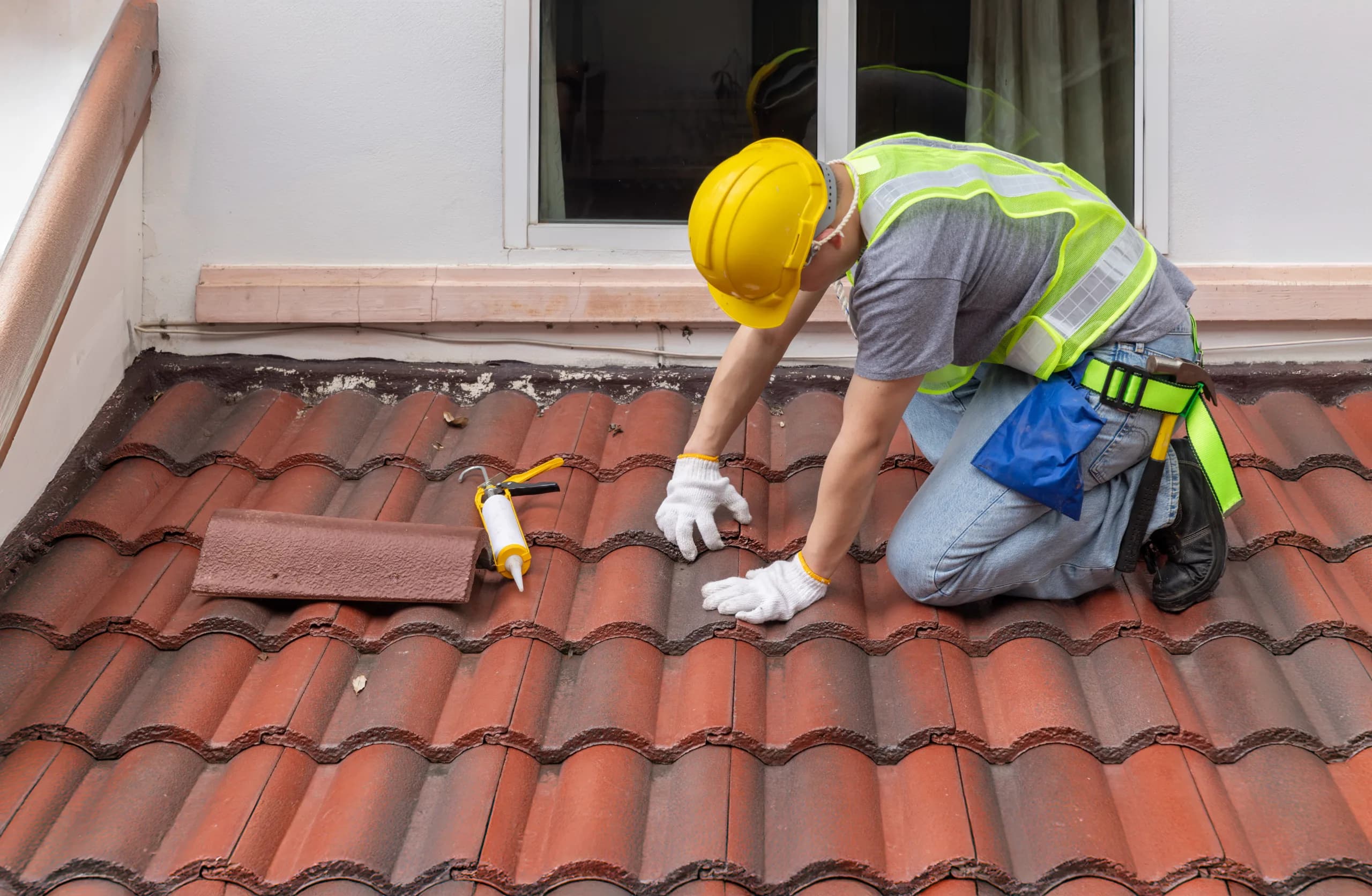
Here is the single most important thing to understand about a San Diego tile roof: the tile is almost never why it leaks. The underlayment is. The waterproofing membrane beneath the tile — historically organic felt — fails at roughly 20–25 years while the tile above it still looks flawless. On a 1920s tile roof in Kensington we routinely lift gorgeous, intact clay tile off a felt layer that has turned to powder. Homeowners are stunned because the roof "looks perfect." That's the trap. When we re-roof tile, the move is a tile lift-and-relay: we salvage and reuse the sound tile, tear off and replace the dead underlayment with a high-temp synthetic or two-ply system, and reset the original tile. You keep the look and the tile's century of life, and you reset the waterproofing clock for another few decades.
The caveats: tile is heavy, so converting an asphalt-framed house to tile may require a structural engineer's sign-off, and cracked individual tiles from foot traffic are a common roof repair we handle constantly. If your tiles look pristine but you're seeing ceiling stains, that's not cosmetic — it's the underlayment telling you its time is up, and it's worth a roof inspection before the next atmospheric-river storm.
Metal: the longevity play, with a coastal asterisk
Metal has quietly become one of our fastest-growing requests. Standing-seam panels — concealed fasteners, clean modern lines — carry 40–70 year lifespans and excel in high-wind and ember conditions, which makes them a strong metal roofing choice for WUI properties and contemporary builds. Stamped metal shingles can mimic shake, slate, or tile at a 30–50 year life if you want longevity without a modern look.
The coastal asterisk: near the water, aluminum outperforms steel. Aluminum is naturally corrosion-resistant and won't bleed rust at cut edges the way a scratched steel panel can. Inland, coated steel performs fine. Metal is also inherently a "cool roof" when finished in a reflective coating, which dovetails neatly with the Title 24 rules below.
Title 24, cool roofs, and why 2026 matters
California's Title 24 energy code puts San Diego in Climate Zone 7, where cool-roof reflectivity rules apply. The update that catches owners off guard: the 2025 standards, effective January 1, 2026, newly extend cool-roof requirements to steep-slope residential re-roofs — not just flat roofs. Practically, that means your shingle or tile color and its rated reflectance are now a code-compliance item on a typical pitched-roof tear-off, not just an efficiency nicety. We build this into the material recommendation up front so a permit doesn't stall over a non-compliant color.
Permitting itself varies by location: most of the county pulls through the City of San Diego or the County, but homes near the water can trigger California Coastal Commission review, which adds lead time. A pre-project inspection is where we sort all of this out — fire zone, coastal jurisdiction, structural capacity, and the true condition of your underlayment.
A quick side-by-side
| Material | Lifespan | Fire rating | Best for |
|---|---|---|---|
| Asphalt architectural | 25–35 yr | Class A | Most homes |
| Wood shake (treated) | 20–25 yr | Class A/B | Craftsman, where permitted |
| Concrete tile | 30–50 yr | Class A | Spanish/Mediterranean stock |
| Clay tile | 50+ yr | Class A | Longest-lived roofs |
| Metal (standing seam) | 40–70 yr | Class A | Modern, WUI, coastal (aluminum) |
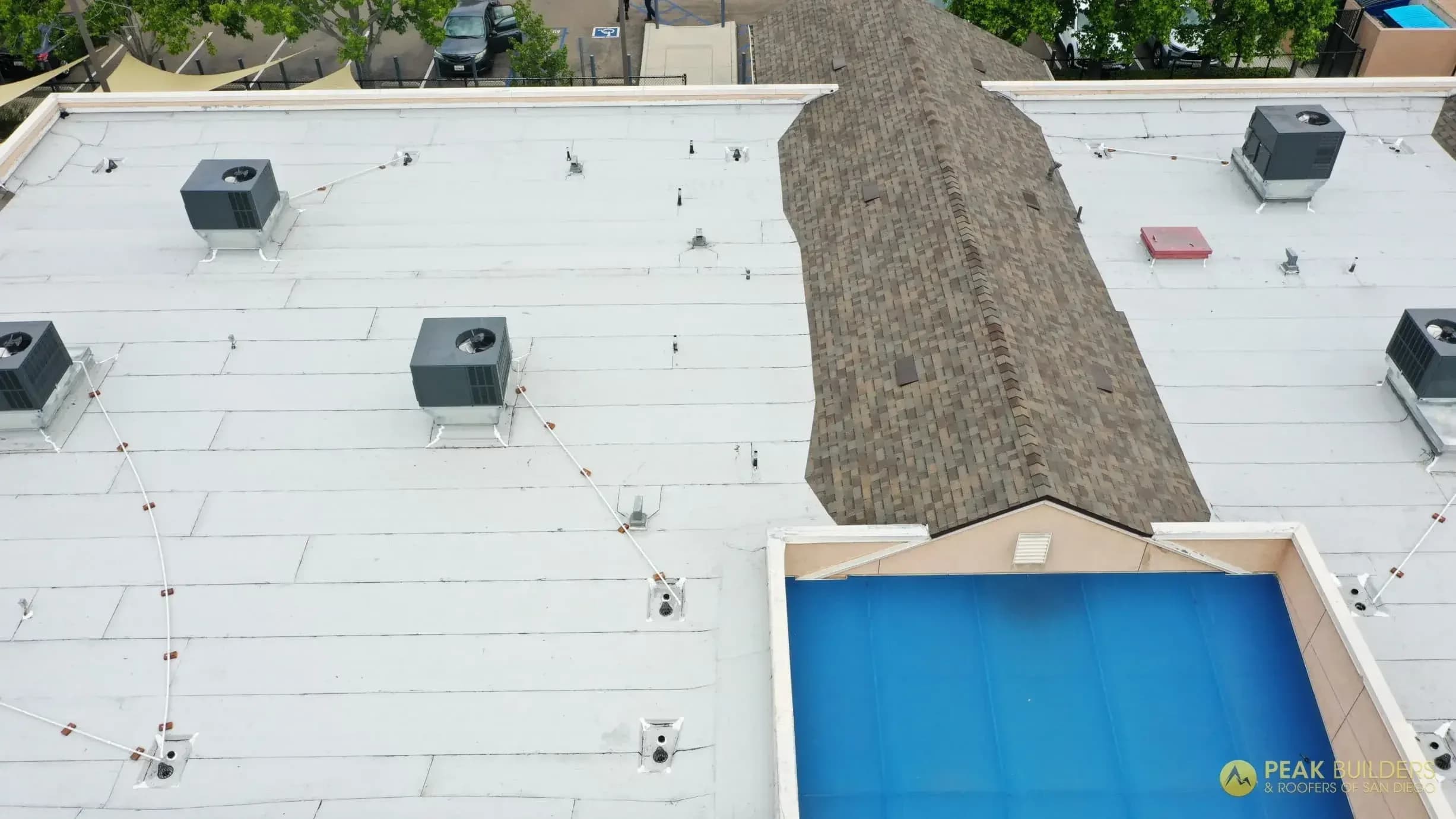
Whatever you choose, the flashings, valleys, vents, and — on tile — the underlayment are what actually keep water out, and they're where corners get cut on a weak install. We carry the same standards into storm damage restoration, flat roofing (TPO, EPDM, and modified bitumen on low-slope sections), commercial roofing, and gutter installation, because a roof is a system, not a single product. You can see the full range of work on our roofing services page or read more about our San Diego roofing crews. When you're ready to talk specifics, request a free, no-obligation inspection and quote at contact us or call (619) 330-8185 — Peak Builders & Roofers of San Diego, CSLB #1008986, 4.9 stars across 230+ reviews, BBB A+.
Frequently Asked Questions
What is the longest-lasting roof for a San Diego home?
Clay tile, full stop — the tile can last 50-plus years and often a century. The catch is the underlayment beneath it, which fails at 20–25 years. A periodic tile lift-and-relay to replace that membrane lets the same tile outlast several roofs' worth of asphalt.
Why does my tile roof leak when the tiles look perfect?
Because the tile isn't the waterproofing layer — the underlayment is. Felt underlayment dries out and cracks at roughly 20–25 years while the tile above stays intact. That mismatch is the most common tile-roof leak we diagnose across older San Diego neighborhoods.
Should I repair my roof or replace it?
It comes down to condition, age, and how widespread the damage is — not a single leak. Isolated cracked tiles or a small flashing failure are repairs. But underlayment at the end of its 20–25 year life, granule loss across whole slopes, or storm damage that has compromised the deck point to replacement. A roof inspection settles it honestly; call (619) 330-8185 to schedule one.
Do I need a cool roof if I re-roof in 2026?
Likely yes. Under California's 2025 Title 24 standards effective January 1, 2026, cool-roof reflectivity requirements now extend to steep-slope residential re-roofs in San Diego's Climate Zone 7, so your material's color and rated reflectance become a permit item. Most major shingle and tile lines offer compliant options.
Is metal or asphalt better near the coast?
Both work, but specify the metals carefully. Near the surf, choose aluminum panels and stainless or aluminum flashing and fasteners over galvanized steel, which corrodes in salt air. Asphalt is fine coastally as long as the flashing metals are corrosion-rated.