
Tile vs Metal vs Shingle: Which Roof for Your San Diego Home (2026)
For most San Diego homes the honest answer comes down to three questions: how long do you plan to stay, how close are you to the ocean, and what does your neighborhood's architecture demand. Architectural asphalt shingle suits homeowners who want a proven, fast install with a long manufacturer-backed warranty; concrete or clay tile is the native material for the Spanish and Mediterranean stock that defines La Jolla, Del Mar, and Rancho Santa Fe; and standing-seam aluminum is the roof-it-once choice for modern coastal builds. The right pick depends less on which material is "best" and more on your roofline, your distance from the salt air, your HOA, and how our specific climate and code treat each system. Here is how each material actually performs in San Diego, how long it really lasts, and the local details that decide the call.
How San Diego's climate and code shape the choice
Before comparing materials, understand the forces acting on every roof in the county. We get intense, year-round UV that ages organic materials faster than almost anywhere else in the country, a marine layer that parks moisture on north-facing slopes and breeds algae and moss, Santa Ana winds that drive embers during fire season, and atmospheric-river storms that test every flashing and seam in winter. And within a few miles of the coast, salt air corrodes ordinary steel relentlessly.
Code follows the climate. The 2025 Title 24 energy standards, effective January 1, 2026, now extend cool-roof requirements in Climate Zone 7 to steep-slope residential re-roofs — not just flat and commercial roofs as before. In practice that means your shingle, tile, or metal selection needs a qualifying solar-reflectance rating, or compliance is met with radiant barrier and ventilation upgrades. In the wildland-urban interface — the back country east of El Cajon, the canyon edges of Scripps Ranch, the hillsides above Poway — you also need a Class A fire assembly and ember-resistant attic vents. Permitting runs through the City of San Diego or the County for unincorporated areas, with an added Coastal Commission layer near the shoreline. A licensed contractor manages all of it; it's part of what separates a permitted, warrantied roof replacement from a job that fails inspection.
Architectural asphalt shingle: proven and fast
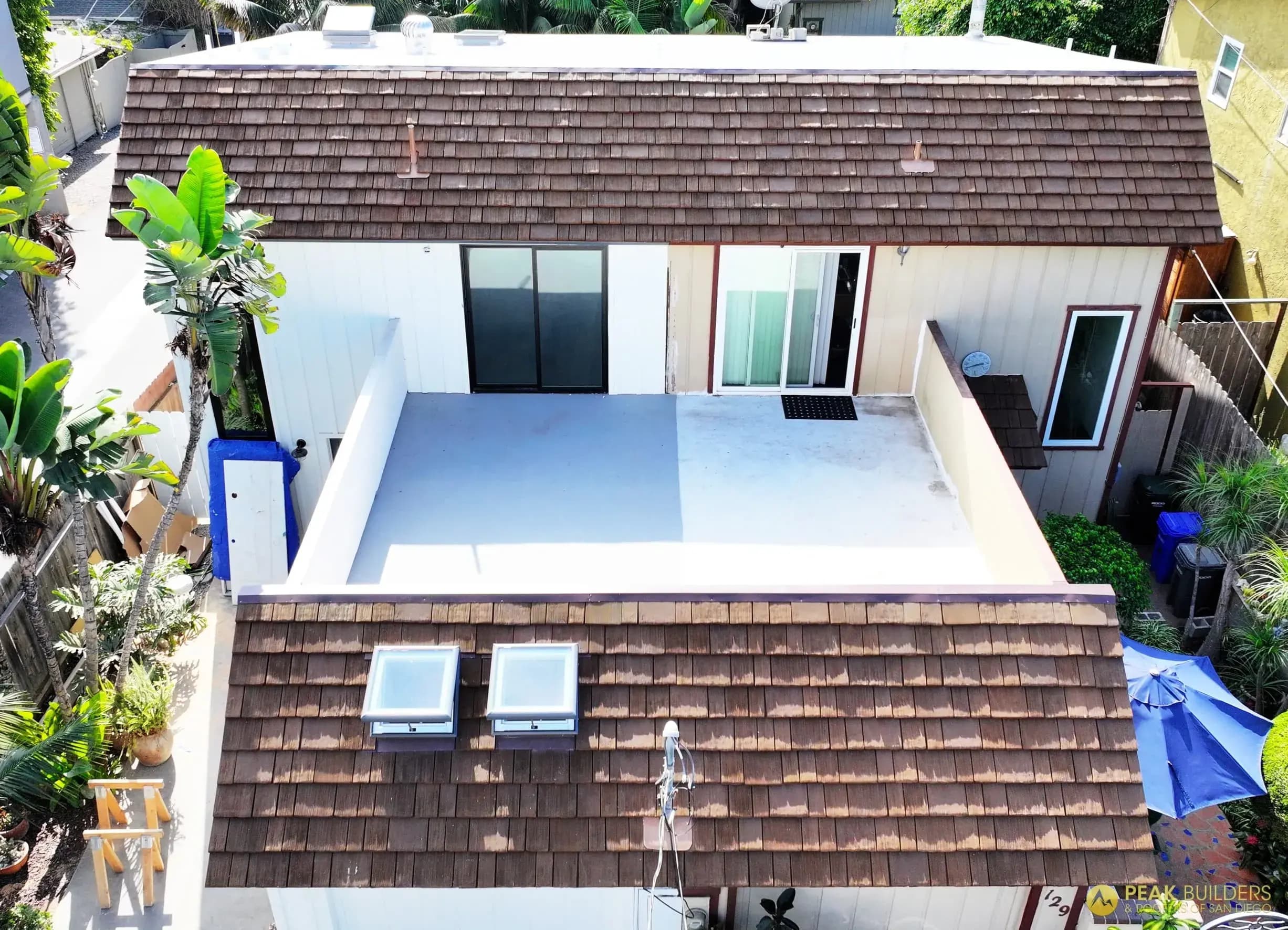
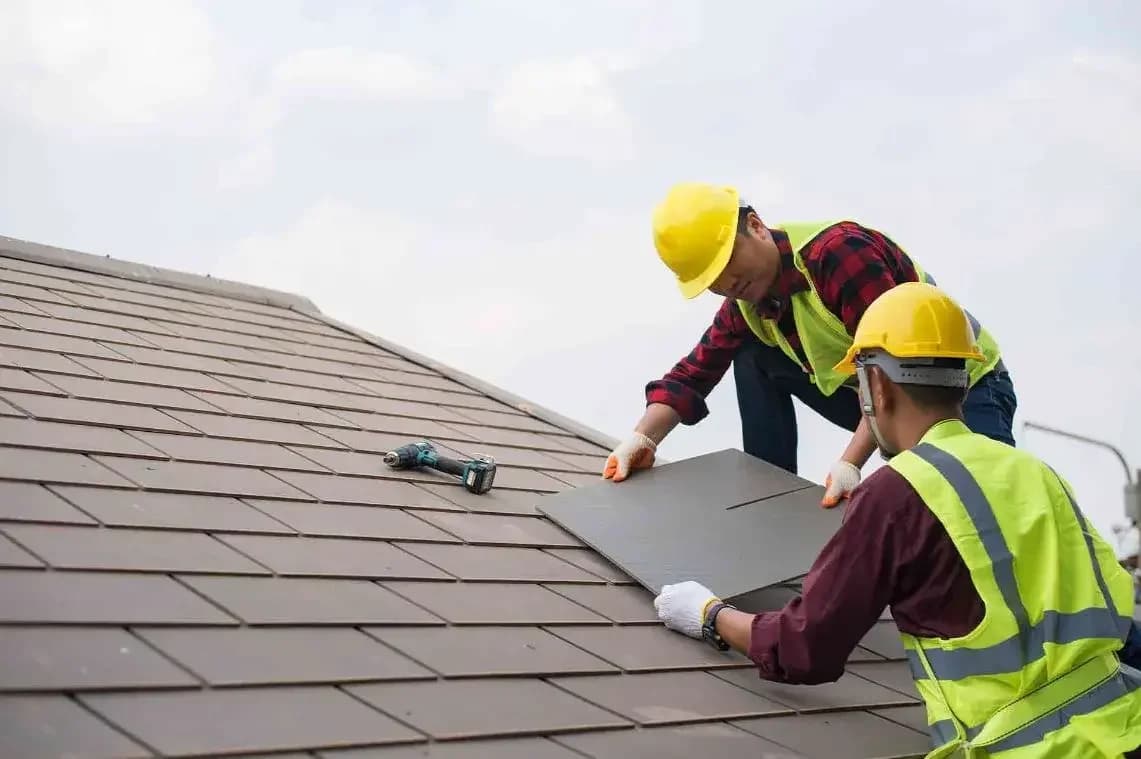
Shingle is the workhorse for a great deal of South Bay and inland housing, and for good reason: it installs in two to four working days, repairs are straightforward, and the color and profile selection is enormous. The product matters far more than most homeowners realize. We install GAF Timberline HDZ and Owens Corning Duration almost exclusively, with CertainTeed Landmark as an alternative — all true architectural laminates, never flimsy 3-tab.
As a GAF Master Elite and Owens Corning Platinum Preferred contractor, we can register the upgraded GAF Golden Pledge and Owens Corning Platinum system warranties, which is the difference between a roughly 25-year and a 50-year manufacturer-backed system. Fewer than three percent of U.S. roofers hold Master Elite status, and it is what lets us register those longer terms — a meaningful point when you judge the quality of the install behind the warranty.
The honest caveat is lifespan. Manufacturers print "30-year" and "lifetime" on the wrapper, but in San Diego's relentless UV — especially in sun-baked South Bay and East County — an architectural shingle realistically gives 18 to 25 years before granule loss and brittleness set in. On north-facing slopes that hold the marine layer's moisture we see more algae streaking and moss, so an algae-resistant shingle earns its place. In a fire-exposed community, insist on the Class A assembly and ember-resistant vents; the upgrade is minor in scope and often nudges your insurance the right direction.
Concrete and clay tile: the San Diego default — with one critical truth
Drive through La Jolla, Del Mar, Coronado, Point Loma, or Rancho Santa Fe and you see a sea of barrel and S-tile, because tile is the architectural vocabulary of San Diego's Spanish Colonial and Mission Revival housing. Tile is non-combustible — a genuine asset in Santa Ana wind and ember events — it shrugs off our UV completely, and its thermal mass keeps attics cooler in summer. Concrete tile from Eagle, Boral, or US Tile is the everyday choice; clay is the premium, 75-to-100-year option for historic and high-end homes.
Here is the truth that catches San Diego homeowners off guard, and it is the single most important thing in this article: the tile is not what fails — the underlayment is. The clay or concrete tile genuinely lasts 50 to 100 years. But the waterproofing membrane beneath it — the layer actually keeping water out — degrades in roughly 20 to 25 years under our UV and thermal cycling. So on a 1920s tile roof in Kensington or a 1980s tract tile roof in Poway, we routinely find tile that looks flawless sitting over underlayment that has turned to brittle confetti. The roof leaks; the tile is fine. Most homeowners assume a leaking tile roof means a new roof. Usually it does not.
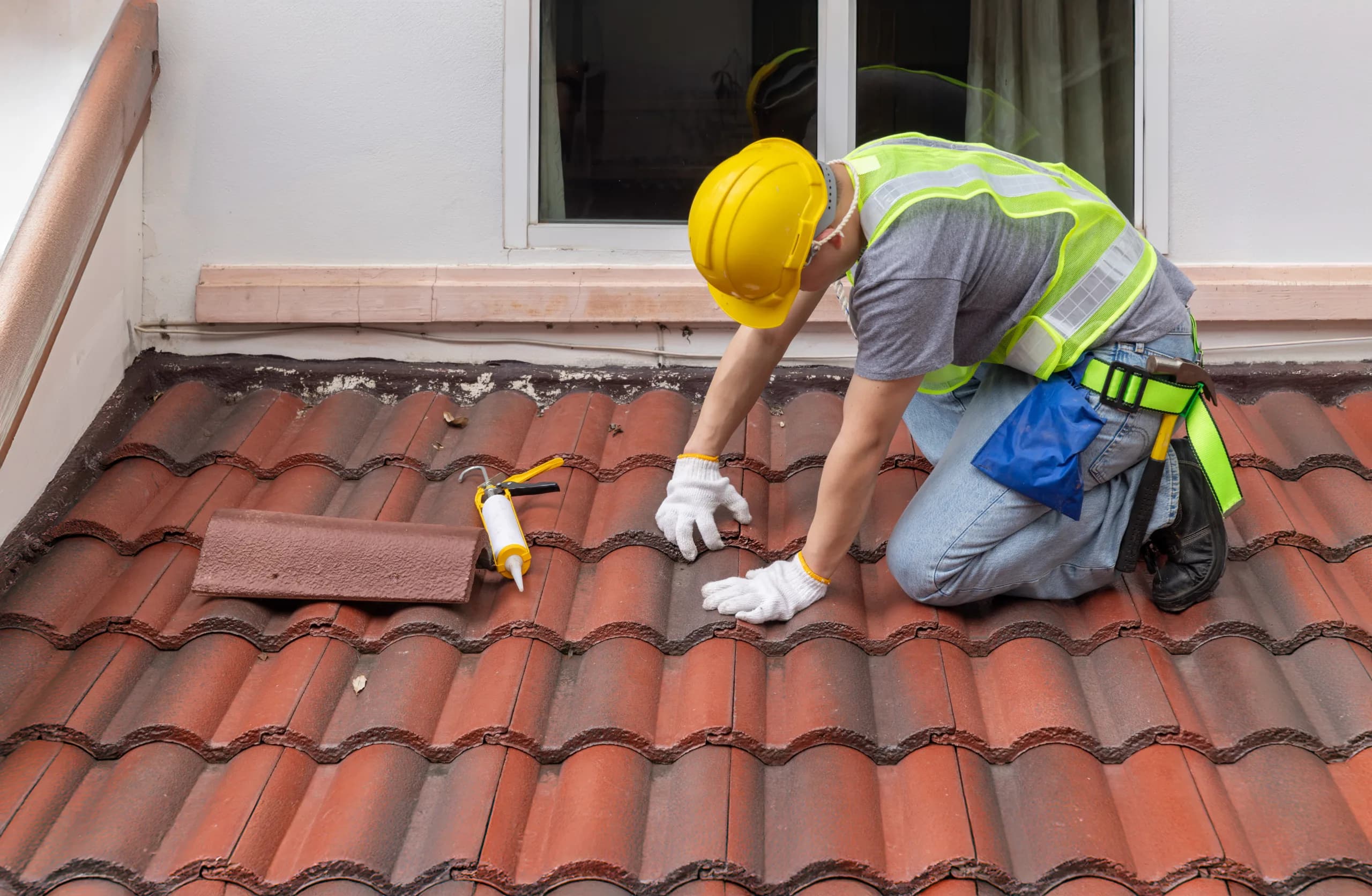
That is where a lift-and-relay comes in. If your existing tile is roughly 90 percent or more intact, a crew carefully lifts and stacks the tile, strips and replaces the underlayment and all flashings, then relays your original tile — planning for ten to fifteen percent breakage that gets filled from salvage stock. You get a fresh 25-to-30-year waterproofing layer under the same roof you already love, and you preserve the irreplaceable character of original tile. Don't let anyone push a full tear-off when a relay does the job. We cover the decision in depth on our tile roofing page, and if you are not sure which camp your roof is in, a roof inspection settles it in about an hour.
Two San Diego-specific tile notes. First, weight: tile is far heavier than shingle, so switching from shingle to tile requires a structural check by your contractor. Second, the flashing metal near the coast matters enormously — see the next section, because corroded flashing is where a lot of tile roofs quietly fail early.
Standing-seam metal: the long-game coastal answer
Metal is the roof-it-once material. A 24-gauge standing-seam roof lasts 40 to 60 years, carries the best wind rating of any common residential roof — well over 140 mph, which matters in our Santa Ana events — is non-combustible for WUI fire zones, and reflects a large share of solar heat, so it clears the new Title 24 cool-roof requirement comfortably and can drop attic temperatures noticeably. On modern Del Mar and La Jolla custom builds it simply looks the part. Copper is the rarefied tier, with 80-to-100-year life for homeowners who want a generational roof.
The coastal material choice is not optional; it is the whole ballgame. Within a few miles of the ocean — Ocean Beach, Pacific Beach, Encinitas, Carlsbad, Coronado — salt air will eat ordinary steel. Specify aluminum standing-seam with a Kynar 500 finish at the coast; it does not corrode in salt spray. Galvalume or galvanized steel is perfectly fine inland in Escondido, Santee, or El Cajon, but it will fail in 15 to 20 years if you put it near the water. The same rule governs flashing and fasteners on every roof type, including tile and shingle: near the coast we specify stainless steel or aluminum flashing, never plain galvanized, because the flashing corrodes and leaks first. More on profiles and finishes lives on our metal roofing page. The old "metal roofs are loud in the rain" complaint is a non-issue with modern synthetic underlayment and attic insulation.
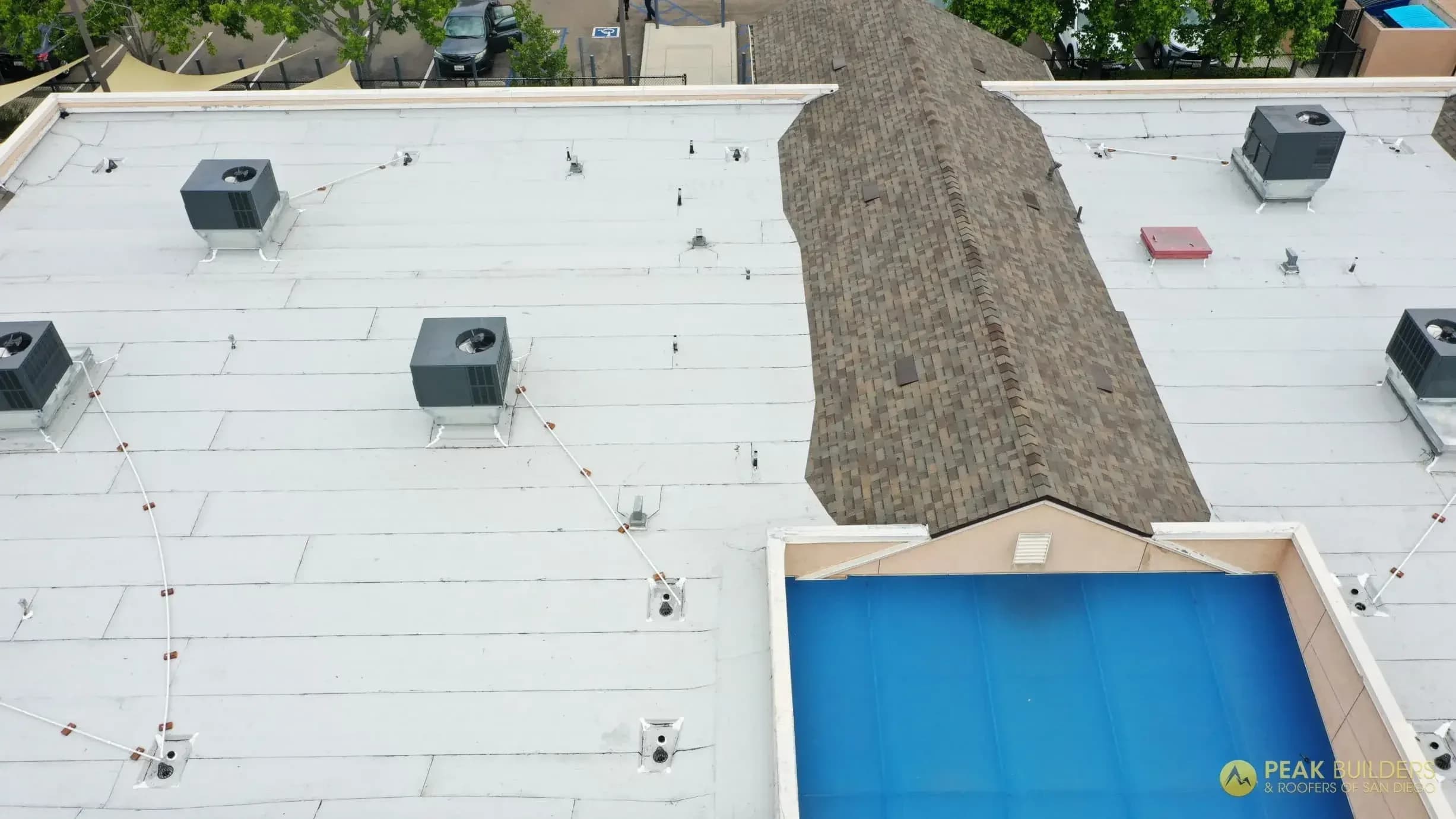
If your home is flat or low-slope — common on mid-century and contemporary San Diego designs — none of the three pitched systems is your answer. That is flat roofing territory: TPO, EPDM, or modified bitumen, the same systems we install on commercial roofing projects across the county. Whatever the material, pair it with properly sized gutters so winter storm runoff leaves the structure cleanly.
How to actually decide
Match the material to your situation, not to a brochure. If you own established Spanish or Mediterranean stock with tile already on it, get a roof inspection first and, in most cases, plan a lift-and-relay rather than a full replacement. If you are building or remodeling modern near the water and want to roof the house once, standing-seam aluminum is the durable answer. If you have a straightforward pitched home and want a fast, proven, well-warrantied install, architectural shingle from a Master Elite installer is a sound choice. The deciding factors are condition, age, exposure to salt and sun, fire zone, and how the permit path runs in your jurisdiction — never a slogan.
When you are weighing repair against replacement, judge it on condition, not the calendar alone: the age of the underlayment, the extent of any water intrusion, the state of the flashings, and whether decking has been compromised. An active leak, sagging, daylight in the attic, or storm-torn material is a safety issue to address promptly; cosmetic wear on otherwise sound material often is not. A professional inspection tells you which situation you are in.
Peak Builders & Roofers of San Diego has installed more than 5,000 roofs across the county since 1999, holds California CSLB license #1008986, and carries a 4.9-star rating across 230-plus reviews along with a BBB A+ rating. We are the San Diego roofers who will tell you when a relay beats a tear-off and when shingle beats tile. Call (619) 330-8185 or request a free, no-obligation inspection and quote and we will walk your roof and your neighborhood with you. If you already have a leak or storm damage, start with roof repair or our storm damage restoration team.
Frequently Asked Questions
Why does my tile roof leak if the tiles look perfect?
Because the tile isn't what waterproofs your roof — the underlayment beneath it is, and that membrane only lasts about 20 to 25 years in San Diego's UV while the tile lasts 50-plus. We constantly find pristine concrete or clay tile sitting over failed underlayment. The fix is usually a lift-and-relay, reusing your existing tile over fresh underlayment, not a full replacement. A roof inspection confirms which one you need.
Is metal or tile better for a San Diego coastal home?
Both work, but the details decide it. For tile, the tile itself is fine at the coast — just demand stainless or aluminum flashing, never galvanized. For metal, you must use aluminum standing-seam rather than steel within a few miles of the ocean, because salt air corrodes ordinary steel in 15 to 20 years. Near the water, aluminum is non-negotiable.
How long do asphalt shingles really last in San Diego?
Manufacturers advertise 30 years, but in San Diego's year-round UV architectural shingles realistically last 18 to 25 years, with premium lines occasionally reaching 30. South Bay and East County sun shortens that; shaded north slopes can stretch it. Factor real lifespan in years into your decision when comparing shingle against tile or metal.
Does Title 24 really apply to my pitched-roof house now?
Yes. Cool-roof requirements in Climate Zone 7 used to focus on flat and commercial roofs, but the 2025 standards effective January 1, 2026 extend them to steep-slope residential re-roofs. Your new roof needs a qualifying reflectance rating, or compliance is met with radiant barrier and ventilation upgrades. We build the requirement into the plan so there are no permit surprises.
Should I repair or replace my roof?
It depends on condition and age, not the calendar alone. If the underlayment is near the end of its 20-to-25-year life, water has intruded across multiple areas, or the decking is compromised, replacement or a lift-and-relay is the sound call. Isolated damage on an otherwise sound roof is often a repair. Active leaks, sagging, or storm-torn material are safety matters — request a free inspection at (619) 330-8185 and we will give you a straight answer.