
Metal Roofing in San Diego: A Complete Guide to Tin and Steel Options
"Tin roof" is a common term in the roofing industry, but what most people mean by it today is steel or aluminum metal roofing — the actual tin roofing of the early 20th century has largely been replaced by more durable modern alloys. Metal roofing has seen a significant resurgence in San Diego, particularly for contemporary and modern homes, and for commercial properties where longevity and low maintenance are priorities.
What Is "Tin Roofing" Today?
When people ask about tin roofing in San Diego, they're usually referring to one of these metal roofing products:
Steel roofing: The most common modern metal roofing material. Available in standing seam panels, metal shingles, and corrugated panels. Steel requires protective coatings to prevent rust — look for Galvalume or Galvanized coatings, plus a painted finish with a good warranty.
Aluminum roofing: Lighter than steel, naturally corrosion-resistant, and better for San Diego's coastal communities where salt air accelerates steel corrosion. More expensive than steel but requires less maintenance over the long term.
Copper roofing: Premium material with an extremely long lifespan (100+ years). Develops a distinctive patina over time. Used on high-end custom homes and historic restorations. Very expensive — $25-$40+ per square foot installed.
Galvalume standing seam: A steel substrate with a zinc-aluminum coating, finished with paint. The most common choice for residential standing seam installations in San Diego.
Why Metal Roofing Makes Sense in San Diego
Longevity. Standing seam metal roofing lasts 40-70 years. Properly maintained metal shingles last 30-50 years. The long lifespan means fewer replacement cycles over the life of the home.
Fire resistance. Class A fire-rated metal roofing is an advantage in Southern California's high-risk fire environment. This matters particularly in WUI (Wildland-Urban Interface) zones in San Diego's hills and canyons.
Wind resistance. Standing seam systems with concealed fasteners perform extremely well in Santa Ana wind events, which regularly reach 50-70+ mph in San Diego's inland valleys and foothill communities.
Energy efficiency. Metal roofing with cool-roof coatings reflects significantly more solar radiation than dark asphalt shingles. This reduces attic temperatures and HVAC loads during San Diego's warm months.
Low maintenance. Metal roofing doesn't require granule monitoring, shingle replacement, or the same level of ongoing maintenance as asphalt. Annual inspections to check sealants at penetrations are the primary maintenance task.
Metal Roofing Profiles Available
Standing seam: Vertical metal panels with raised seams that interlock, hiding all fasteners. The most durable and waterproof metal roofing option. Requires structural deck installation (can't typically go over existing roofing). More expensive but longest-lasting.
Metal shingles: Pressed steel or aluminum panels that mimic the appearance of asphalt shingles, wood shakes, or tile. Can sometimes be installed over existing roofing. Less expensive than standing seam.
Corrugated panels: The classic "tin roof" look. Common on agricultural and industrial buildings, increasingly used on contemporary residential designs. Exposed fasteners require more maintenance than concealed systems.
Stone-coated steel: Steel substrate with acrylic coating and stone granules — similar appearance to tile or shake. Good UV resistance. Popular in San Diego neighborhoods with HOAs that require a tile-compatible appearance.
Coastal Considerations for San Diego
San Diego's coastal communities — La Jolla, Point Loma, Ocean Beach, Pacific Beach, Coronado, Del Mar — expose roofing materials to salt air. Salt accelerates corrosion on ferrous metals.
For coastal installations:
- Aluminum is preferred over steel where budget allows
- If steel is used, specify marine-grade coatings or higher-grade Galvalume substrates
- Inspect fasteners and exposed metal components annually for early corrosion signs
- Consider stainless steel fasteners instead of standard galvanized
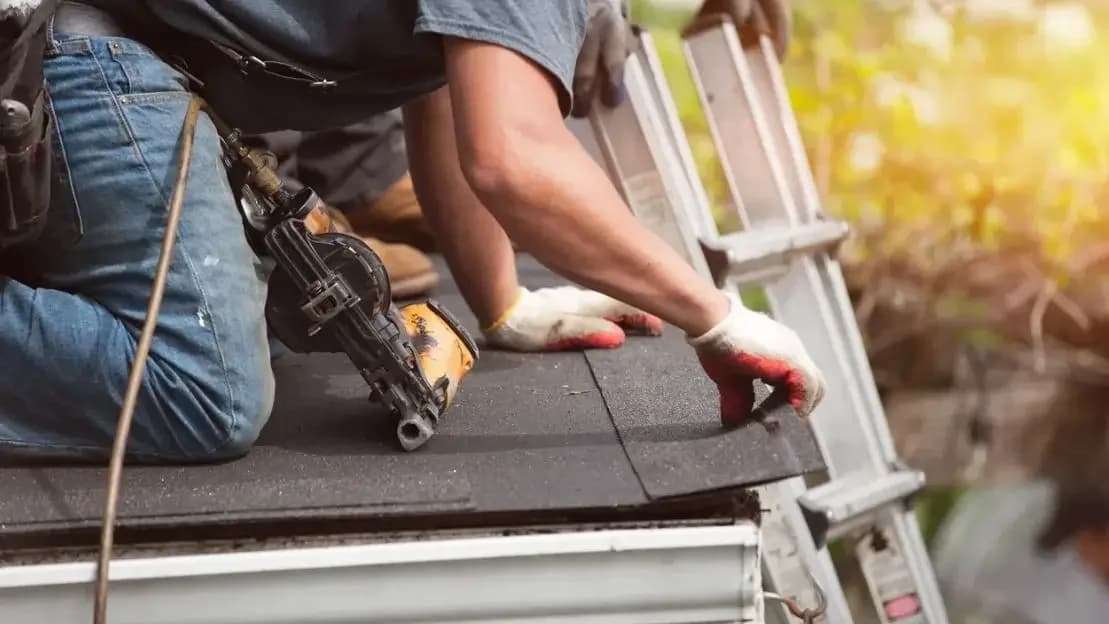
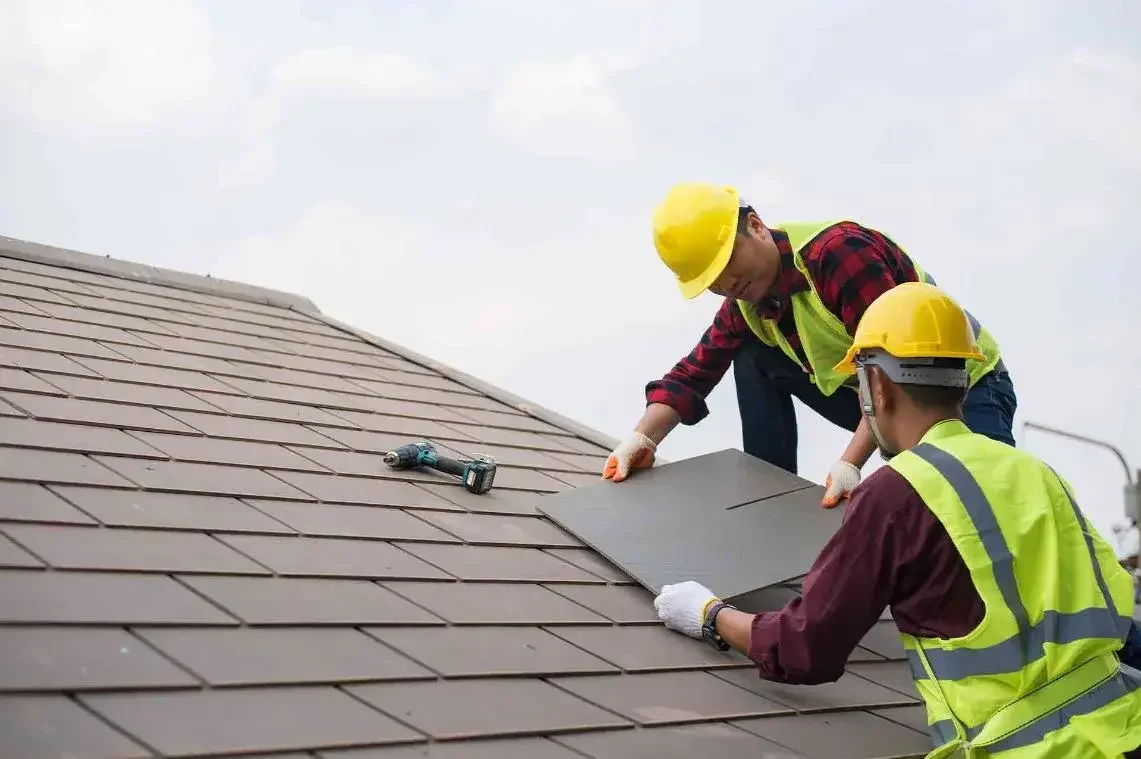
Installation Process
Metal roofing installation varies by product type:
Standing seam installation:
- Remove existing roofing (usually required for standing seam)
- Inspect and repair roof deck
- Install underlayment (often a self-adhering membrane for standing seam systems)
- Install metal panels starting at the eave, engaging panel seams
- Install ridge cap, hip trim, and eave/rake trim
- Seal all penetrations with compatible flashing and sealant
Metal shingle installation:
- May be possible over existing shingles (check local codes — some San Diego municipalities limit overlay)
- Install starter course at eave
- Install shingle courses with staggered joints
- Install trim at ridge, hips, and rakes
Cost of Metal Roofing in San Diego (2025-2026)
| Product | Estimated Installed Cost (2,000 sq ft home) |
|---|---|
| Steel corrugated | $12,000–$20,000 |
| Metal shingles (steel) | $16,000–$26,000 |
| Metal shingles (aluminum) | $20,000–$32,000 |
| Standing seam (steel) | $22,000–$38,000 |
| Standing seam (aluminum) | $28,000–$45,000 |
| Copper (premium) | $50,000–$90,000+ |
Costs are influenced significantly by roof complexity, pitch, and access.
Service Areas
We install metal roofing throughout San Diego County, including San Diego, Chula Vista, El Cajon, La Mesa, Santee, Lakeside, Spring Valley, Lemon Grove, National City, and more.
Considering Metal Roofing?
Call (619) 330-8185 or visit our contact page for a free estimate and material consultation. We'll help you determine whether standing seam, metal shingles, or another profile fits your home's style, neighborhood requirements, and budget. GAF Master Elite certified, C-39 licensed, serving San Diego County since 1999.