

ADU Construction in San Diego: A Homeowner's Guide to Building an Accessory Dwelling Unit
If you own a single-family home in San Diego, the land you already have may be the most valuable building lot in the county — and an accessory dwelling unit (ADU) is how you put it to work. With local rents and home prices among the highest in California, an ADU gives you a way to generate rental income, house an aging parent or an adult child close by, or downsize into a smaller unit while renting out the main home. An ADU is a complete, independent living space on the same lot as your house: it has its own kitchen, bathroom, sleeping area, and private entrance. The main types are a detached ADU (a freestanding backyard unit), an attached ADU (built onto your existing house), an ADU conversion (turning a garage or other existing space into a unit), and a junior ADU (JADU) carved out of space inside the existing home.
Here is the part most homeowners don't realize until they start: thanks to California's reforms, a code-compliant ADU in San Diego is approved ministerially — no public hearing, no design board, no neighbor sign-off. The City must act on a complete application within 60 days, or 30 days if you build from a pre-approved plan. The realistic full timeline — from first site visit through design, plan check, and construction — usually runs several months to roughly a year, depending on whether you're converting existing space or building a new structure from the ground up. Below is what an experienced San Diego builder actually checks, decides, and navigates to get a unit permitted and built without losing months to avoidable mistakes.
The Four Types of ADUs in San Diego
Choosing the right type of ADU is the single biggest decision you'll make, because it drives your buildable square footage, your timeline, your construction disruption, and how the finished unit lives day to day. Here is how the four options really compare on a typical San Diego lot.
Detached ADU
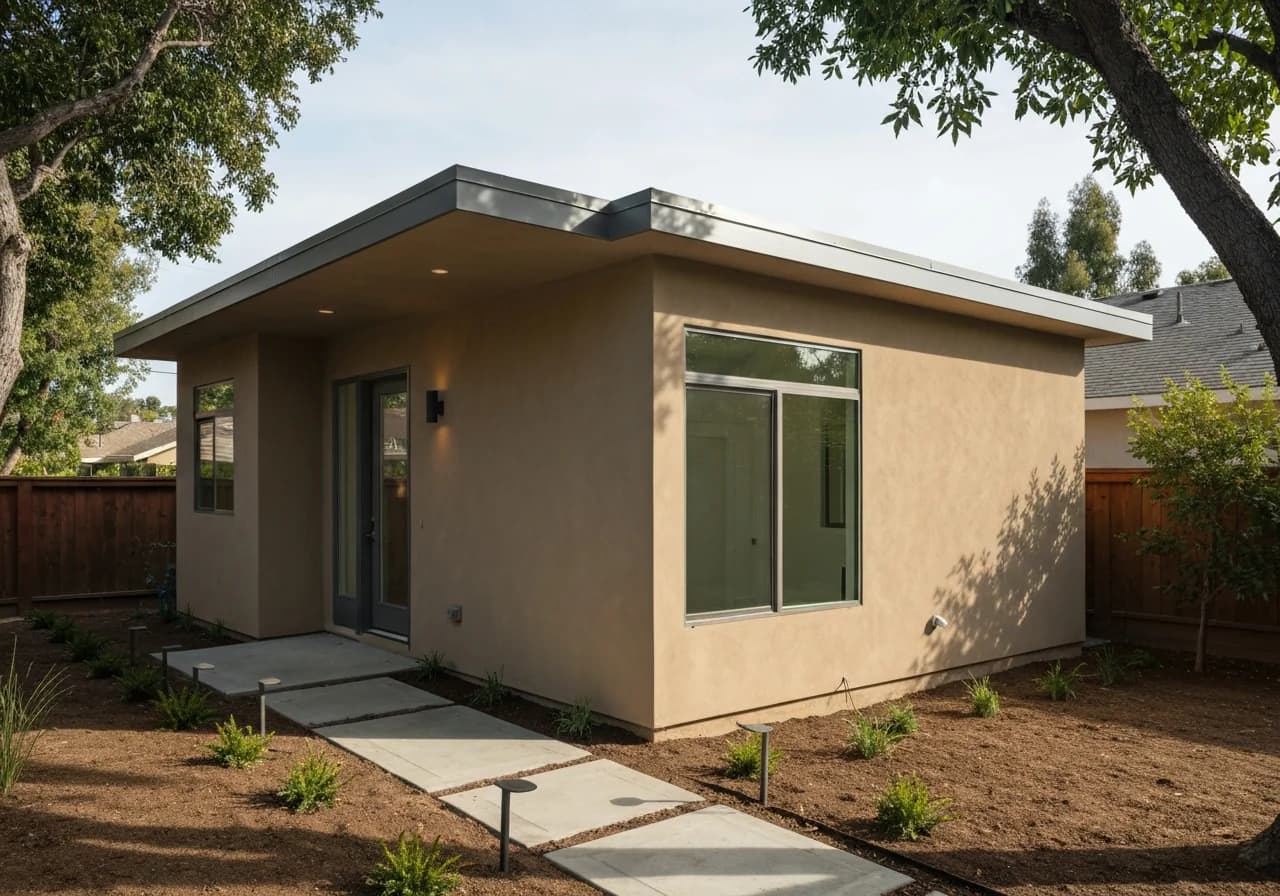
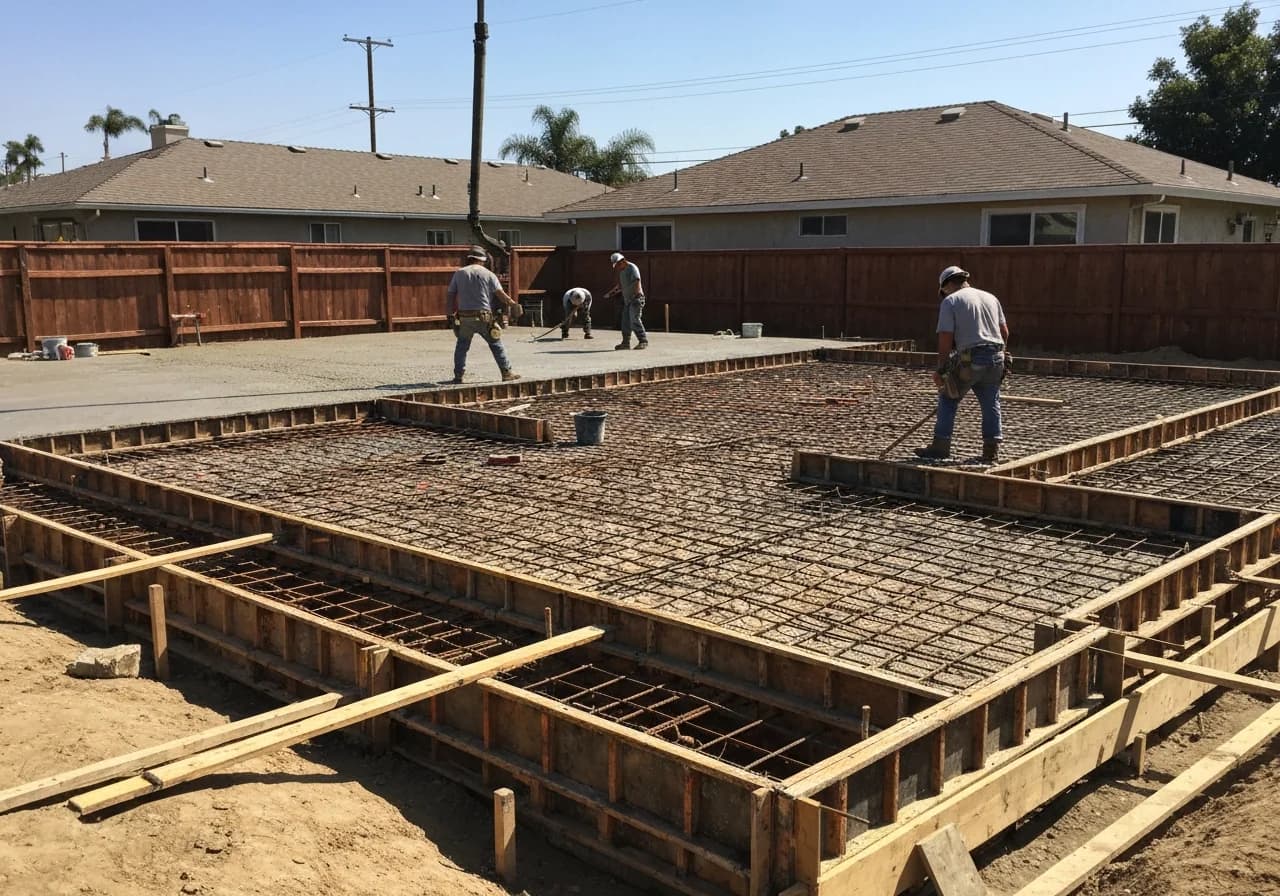
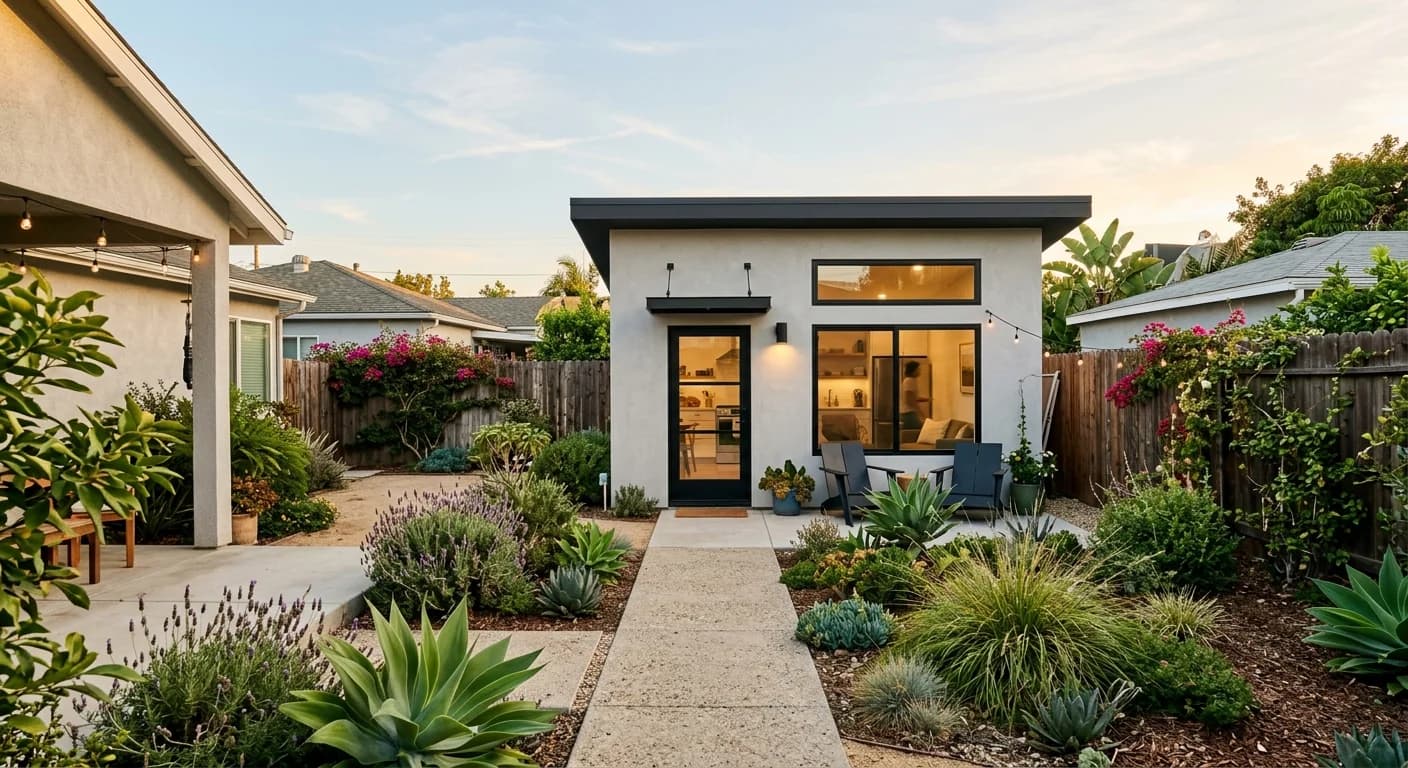
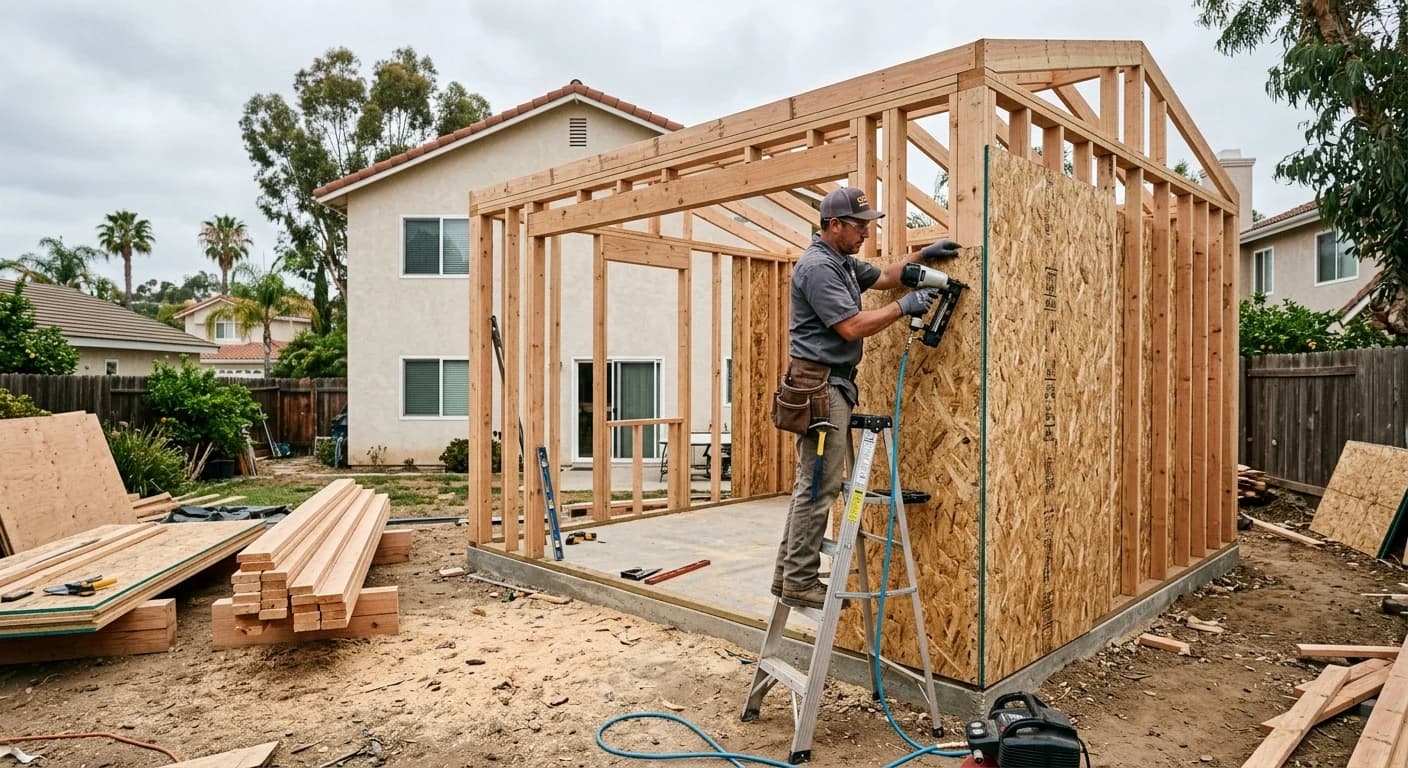
A detached ADU is a standalone structure in your backyard, completely separate from the main house. Picture a 700-square-foot one-bedroom cottage behind a Clairemont or Bay Park home, with its own address, its own small yard, and no shared walls — that's the configuration most renters want and most owners build for long-term income. Detached units offer the most privacy for both households, which makes them the strongest choice for a market-rate rental or for a parent who wants genuine independence rather than a converted bedroom. Building from the ground up also gives you the most freedom in layout, ceiling height, and indoor-outdoor flow. The trade-off is scope: a detached ADU means a new foundation, full framing, a new roof, and its own utility runs, so it sits at the higher end of cost and timeline and brings the most construction activity. It's the right call when you have the backyard for it and you're optimizing for rental value or true separation.
Attached ADU
An attached ADU shares one or more walls with your existing home, extending off the side or rear. On a narrower lot in North Park or City Heights — where a freestanding building simply won't fit once setbacks are applied — bumping an attached unit off the back of the house is often what makes the project possible at all. Because it ties into the existing structure, it can frequently reach existing utilities more easily and costs less than a comparable detached unit, and the disruption is more contained. The compromise is separation: the two households share a wall, which matters more for an arm's-length tenant than for family. An attached ADU suits homeowners who want the efficiency and lower cost of building onto the house and don't need the full privacy of a backyard cottage.
ADU Conversion (Garage and Existing Space)
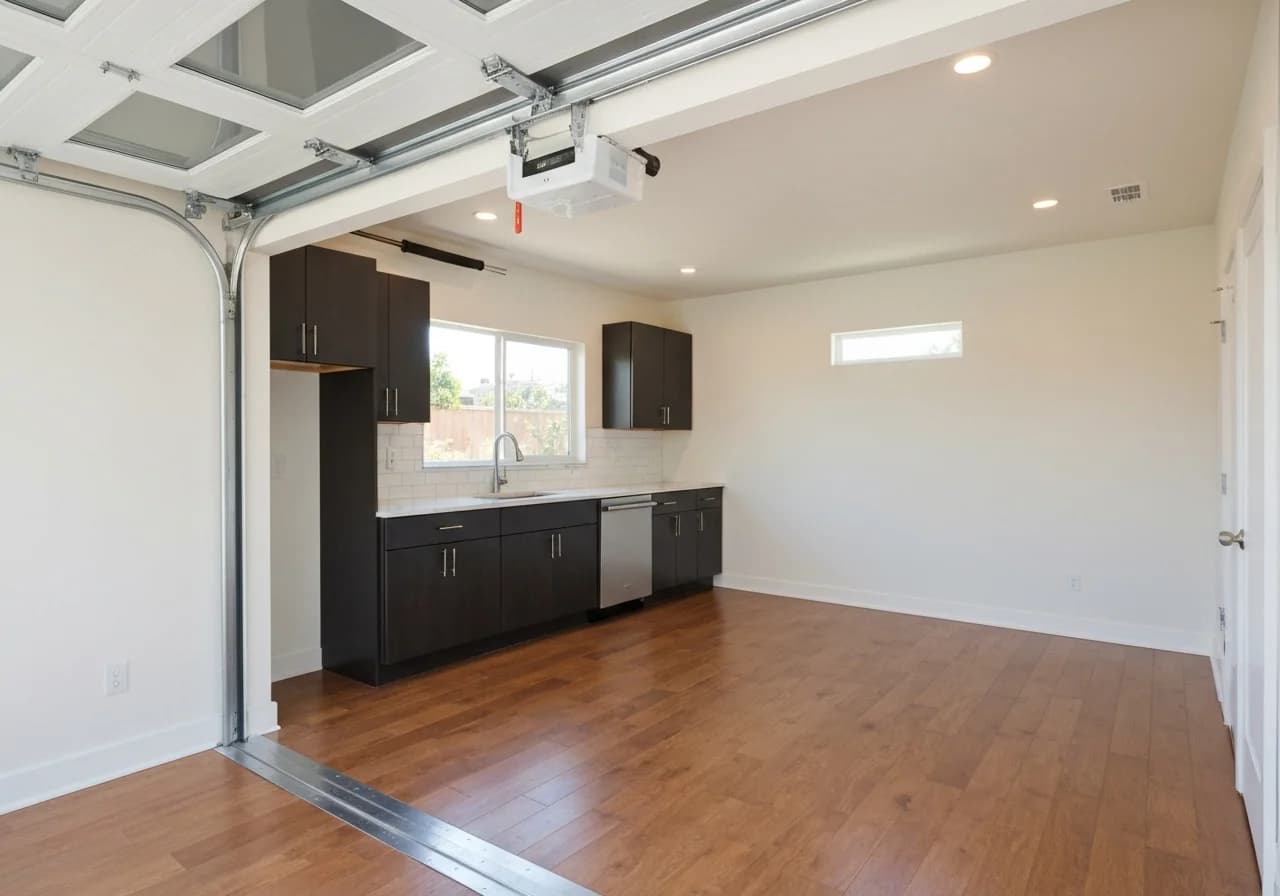
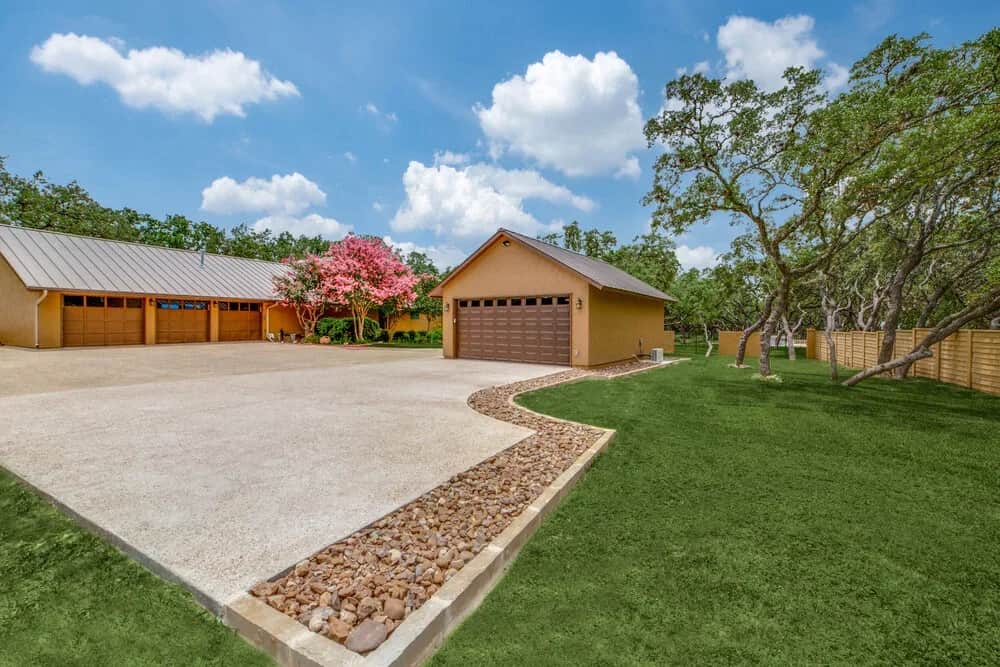
A conversion turns an existing attached or detached garage — or other legally built space — into a living unit. Because the slab, walls, and roof already exist, this is frequently the fastest and most economical path to a permitted ADU; you're largely working within a footprint that's already there, which keeps both the cost driver and the daily disruption down. California law is friendly to garage conversions and, under SB 1211, does not require you to replace the parking the garage provided when it's converted to an ADU — a rule that used to sink these projects and no longer does. A two-car garage on a typical San Diego lot can become a comfortable studio or one-bedroom with far less site work than new construction. The constraints are the size and ceiling height you inherit, and the fact that an older garage slab and walls sometimes need upgrading to meet residential code — something to confirm before you commit. Conversions suit homeowners who want a quicker, lower-impact path and can live within the existing footprint. Rental privacy is good for a detached garage, more limited for an attached one.
Junior ADU (JADU)
A junior ADU is a unit of up to 500 square feet created within the existing walls of your single-family home — typically a converted bedroom or a portion of the house given its own exterior entrance and an efficiency kitchen (a cooktop, a prep counter, and storage; no full range required). A JADU is the least expensive and least disruptive option, and it can be combined with a separate ADU on the same lot, so some homeowners build a detached unit and add a JADU for two income streams. The catches are real: the 500-square-foot ceiling, the efficiency-kitchen requirement, and an owner-occupancy rule — you must live in either the main home or the JADU. Privacy and rental appeal are the most limited of the four because the unit is physically part of your house. A JADU fits an empty-nester converting a no-longer-used wing into a rental or a private suite for a caregiver, without touching the yard.
San Diego ADU Rules — and Why This Is Such a Strong Market
The reason ADUs have taken off here is that California spent the last several years stripping away the obstacles that used to kill these projects, and San Diego layered its own incentives on top. This regulatory depth is where most of the real value lies, so it's worth getting right — and it's exactly where an inexperienced builder costs you months.
By-right, ministerial approval and review timelines
A compliant ADU application in California is reviewed ministerially: no discretionary hearing, no design review board, no requirement for neighbor approval. If your plans meet the objective written standards, the City must approve them. The agency has 60 days to act on a complete application, and if it misses that deadline the permit is deemed approved by operation of law. Build from a state-recognized pre-approved plan and that clock shortens to 30 days. The catch is the word "complete" — incomplete or non-compliant submittals don't start the clock, which is why how the package is prepared matters as much as the rule itself.
Setbacks, height, and the transit bonus
The statewide standard is a minimum 4-foot setback from the side and rear property lines — far tighter than ordinary residential setbacks, and the single thing that makes backyard units feasible on normal San Diego lots. An ADU or JADU created inside an existing structure needs no added setback at all. On height, a detached ADU is allowed up to 16 feet by right; that rises to 18 feet when the lot is within a half-mile walking distance of a major transit stop or a high-quality transit corridor (enough for a tight two stories), with up to roughly 20 feet permitted so the ADU roof pitch can match the main house. An attached ADU can generally rise to the height of the primary dwelling. Those transit-area allowances matter a great deal in San Diego's more urban, transit-served neighborhoods.
Size limits by configuration
Cities must permit an ADU of at least 850 square feet, or 1,000 square feet for a unit with more than one bedroom, regardless of other lot-coverage or floor-area limits. A JADU is capped at 500 square feet. Within those floors, your actual buildable size is shaped by lot coverage, the footprint you have to work with, and which local program applies.
Parking, fire sprinklers, and utility metering
Three technical rules quietly decide whether a project pencils out. First, parking: the City cannot require off-street parking for an ADU within a half-mile of public transit (a Transit Priority Area), and, as noted, converting a garage triggers no replacement-parking obligation. Second, fire sprinklers: an ADU is not required to have sprinklers if they aren't required for the primary residence, and building an ADU does not trigger a retrofit-sprinkler requirement in your existing house — a common and expensive misconception. Third, utilities and metering: a detached ADU can be set up on its own separate water, sewer, and electrical service (useful if you want to bill a tenant directly), or it can share the main home's connections, which is usually cheaper. Which path is right depends on your panel capacity, your sewer lateral, and how you plan to use the unit — decisions best made before plans are drawn, not after.
San Diego's standout local programs
Beyond the state baseline, the City of San Diego has been one of the most pro-ADU jurisdictions in California. Its ADU Bonus Program allows additional units on qualifying lots within the city's Sustainable Development Areas — the more transit-rich parts of San Diego — where building deed-restricted affordable ADUs unlocks the right to add extra market-rate units on the same property. In June 2025 the City Council reformed and capped this program: single-family lots are now limited to a sliding scale of roughly four to six total ADUs/JADUs depending on lot size, a two-story height maximum was reinforced, and a Community Enhancement Fee applies to certain smaller bonus and affordable units. It's still a powerful tool — but the details now matter far more, which is precisely the kind of moving target a local builder tracks for you.
San Diego also participates in California's AB 1332 pre-approved (permit-ready) plan framework. Building from a plan the City has already vetted shortens plan check to a guaranteed 30-day review and can reduce certain plan-check fees — a meaningful head start when a standard layout fits your lot. And under SB 13, development impact fees (parks, transportation, libraries, and the like) are waived for ADUs under 750 square feet, which is a big reason efficient, smaller units so often make the most sense here.
Is Your Lot ADU-Ready? The Feasibility Questions That Decide Everything
Before any design begins, the property itself has to be evaluated honestly, because the lot dictates what's possible. Lot size and shape set how large a footprint fits once 4-foot setbacks are applied, and whether a detached unit or an attached bump-out is the realistic option. Slope and grading can be decisive — a flat, open backyard is straightforward, while a canyon-edge lot in places like La Mesa or Encanto may need retaining work and engineered foundations that change the whole scope. Easements and setbacks have to be mapped: utility, drainage, or access easements can carve usable area out of a yard that looks buildable. Sewer lateral and water meter capacity matter because an added unit puts more demand on those lines, and an undersized lateral or meter may need upgrading. Electrical panel capacity is one of the most common surprises — many older San Diego homes have panels that can't carry a second full kitchen and HVAC load, so a service or panel upgrade gets folded into the plan. Finally, trees, alley access, and existing-structure conflicts all factor in: a protected tree, a tight side yard that blocks equipment, or a useful rear-alley entrance can each push the design one direction or another. A thorough site evaluation is where a good builder earns their keep, because catching these issues early is far cheaper than discovering them mid-permit.
Designing a Small ADU That Actually Lives Well
Square footage is limited in an ADU, so the design has to work harder — and good small-footprint design is the difference between a cramped box and a unit people are happy to live in for years. Natural light is the first lever: well-placed windows, higher ceilings, and clerestory or transom glazing make a compact space feel open, while orienting glass thoughtfully keeps it from baking in the afternoon sun. Privacy cuts both ways — siting windows and entries so the ADU and the main house don't look straight into each other, and using fencing or landscaping to screen from neighbors, keeps both households comfortable. Efficient layouts matter more than raw size: an open main room, a galley kitchen, and smart built-in storage can make a one-bedroom feel generous. For aging parents or anyone planning to stay put, aging-in-place and ADA-minded design — a no-step entry, wider doorways, a curbless shower, and blocking in the walls for future grab bars — costs little to build in now and is expensive to add later. And because San Diego's climate is the envy of the country, indoor-outdoor flow is a free upgrade: a covered patio, a sliding door to a small private yard, and good cross-ventilation turn a modest unit into one that lives much larger than its footprint.
Real Ways San Diego Homeowners Use Their ADUs
The flexibility is the point. The most common motivation is rental income — a detached backyard unit in a strong San Diego rental market can offset a mortgage and build long-term equity, especially given the region's persistent housing shortage. Just as common now is multigenerational living: a JADU or detached unit lets an aging parent live independently but close, with their own kitchen and entrance, or gives an adult child a foothold in a market they couldn't otherwise enter. A growing number of owners build for work and creative space — a quiet detached home office, a studio, or a treatment room separated from the noise of the main house. And many build for future flexibility: a unit that's a rental today becomes a caregiver's quarters, a returning college kid's apartment, or your own single-story downsize tomorrow while you rent out the big house. The same structure can serve three chapters of your life, which is part of why ADUs hold their value.
Common Pitfalls, and a Realistic Timeline
Most ADU delays are self-inflicted. The frequent culprits are submitting an incomplete plan set (which never starts the 60-day clock), underestimating the electrical or sewer upgrades the new unit demands, running afoul of a setback or a protected tree that a proper site review would have flagged, and assuming a local program applies when the 2025 Bonus Program caps or boundaries say otherwise. Each of these can add a plan-check correction cycle, and each correction cycle adds weeks. A realistic timeline looks like this: a few weeks for feasibility and design, then plan check — which often runs one or two correction rounds even on a clean submittal — followed by construction that ranges from a couple of months for a straightforward garage conversion to the better part of a year for a fully detached unit with new utilities. We manage that arc by getting the site evaluation and the program determination right up front, submitting a genuinely complete package, and turning plan-check comments around quickly so the application keeps moving instead of stalling.
Why a Local, Licensed San Diego Builder Matters
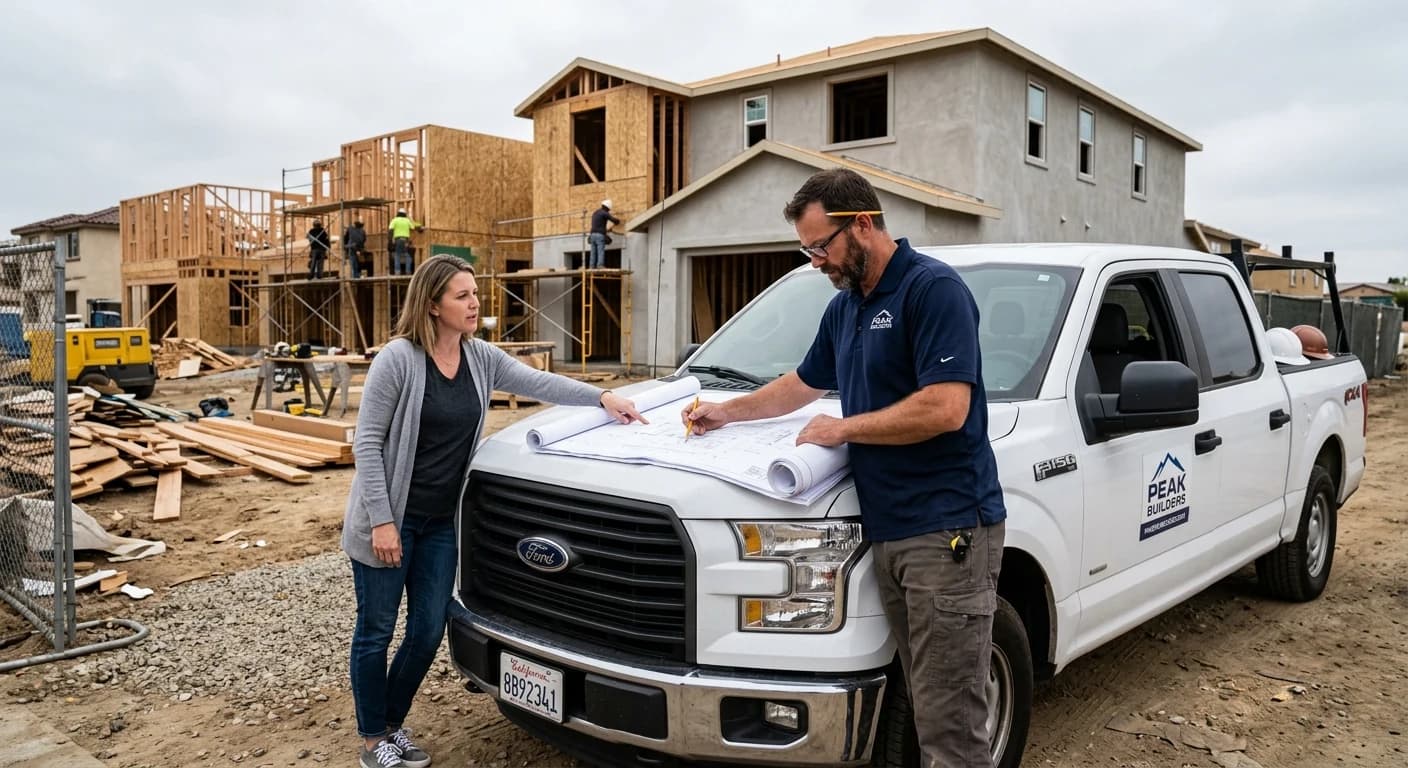
ADU law in California changes almost every year, and San Diego's local programs — the Bonus Program caps, the Sustainable Development Area boundaries, the pre-approved-plan track, the transit-area height and parking allowances — shift on their own schedule. Working with a builder who navigates City of San Diego permitting week in and week out means your project is designed to clear ministerial review the first time rather than getting stuck in correction loops. Peak Builders & Roofers of San Diego is a licensed California general contractor (CSLB #1008986) that has built across San Diego County since 1999. We handle the entire arc under one roof — feasibility, design, plans, permitting, and construction — so you have one accountable team from the first site visit to your certificate of occupancy, not a chain of subcontractors pointing fingers. That consistency shows up in the work: a 4.9-star Google rating across 230+ reviews and an A+ rating with the BBB. (We're also a full roofing and construction firm, so the structure and roof over your new unit are handled in-house too.)
Ready to See What Your Lot Can Do?
The best way to learn whether a detached unit, an ADU conversion, or a JADU makes the most sense for your property is to have an experienced local builder look at it with you. We'll walk your lot, confirm which San Diego rules and programs apply, talk through your goals — rental income, family housing, or future flexibility — and lay out a realistic path and timeline. Estimates are free, with no obligation. Call Peak Builders at (619) 330-8185 to schedule your ADU consultation, and let's see what your San Diego property can become.