


Fire-Resistant Roofing in San Diego: Class A Assemblies Built for the WUI
Fire resistant roofing in San Diego starts with one number: Class A. When embers ride a Santa Ana wind out of the canyons above Scripps Ranch, Poway, or East County, the roof is the largest, most exposed surface your home presents to the fire — and a Class A roof assembly is the rated, code-defined standard built to take that punishment. A Class A rating means the roof system passed the most severe level of ASTM E108 (UL 790) fire testing: it resists flame spread, will not produce flying brands of its own, and holds up under a sustained burning-brand test that mimics wind-driven embers landing and smoldering on the deck. For homes inside a designated Fire Hazard Severity Zone (FHSZ) or the broader Wildland-Urban Interface (WUI), California's building code requires a Class A assembly — the covering, the underlayment, and the deck working together — not just a label on the shingle bundle. Peak Builders & Roofers of San Diego builds those compliant assemblies every week across the county's fire-zone neighborhoods, pairing Class A tile, metal, or fire-rated architectural shingles with ember-resistant detailing at the vents, eaves, and edges where most wildfire ignitions actually begin. If you're re-roofing in a fire zone, this is the page that explains what "fire-rated" really means here, what the 2026 code now requires, and how a proper assembly goes together. To talk it through with a CSLB-licensed roofer, call (619) 330-8185 for a free inspection.
What "Fire-Resistant Roofing" Means in San Diego
San Diego County is one of the most wildfire-exposed metro regions in the country. The 2003 Cedar Fire and the 2007 Witch Creek Fire both proved the same lesson building scientists keep repeating: most homes that burn in a wildfire don't ignite from a wall of flame. They ignite from embers — small burning brands carried a mile or more ahead of the fire front, settling into roof valleys, gutters full of dry needles, and unprotected attic vents. The roof is ground zero for that exposure, which is why fire-resistant roofing is less about a single heroic material and more about an assembly that gives embers nowhere to take hold.
That distinction matters legally as well as physically. Under the California Building Code's wildfire provisions — historically Chapter 7A, and now relocated into the new California Wildland-Urban Interface Code (CWUIC, Title 24 Part 7, effective January 1, 2026) — properties inside a Fire Hazard Severity Zone must use a Class A roof covering and assembly. The City and County of San Diego maintain FHSZ maps, and large stretches of Scripps Ranch, Poway, Rancho Santa Fe, Escondido, El Cajon, Santee, and the canyon-adjacent edges of communities all over the county fall inside them. If your home is in one of those zones, "fire-resistant" isn't a marketing upgrade — it's the baseline the permit requires.
Class A Materials and How the Assembly Goes Together
A Class A rating can be earned three ways, and Peak installs all three depending on your home, your HOA, and your budget for longevity rather than dollars.
Concrete and Clay Tile
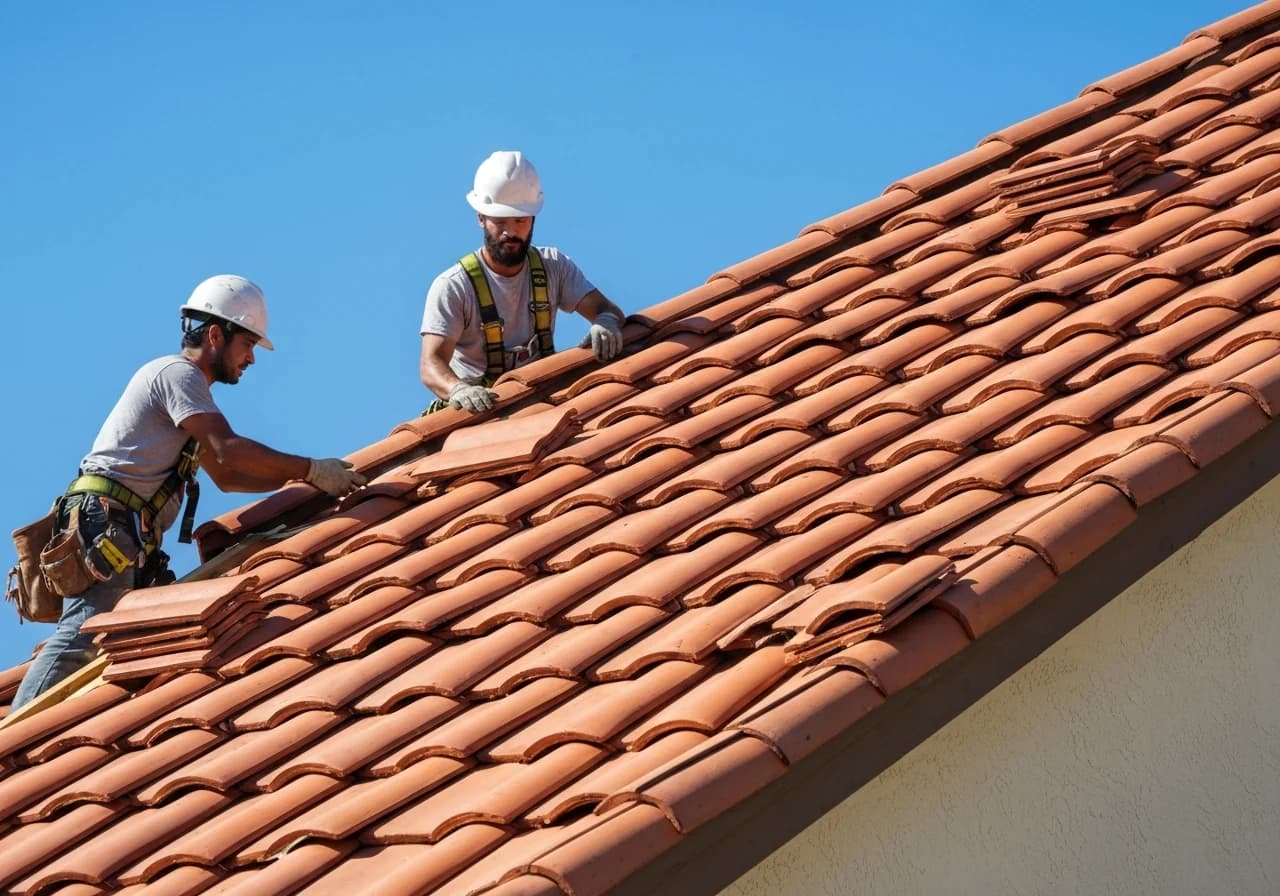
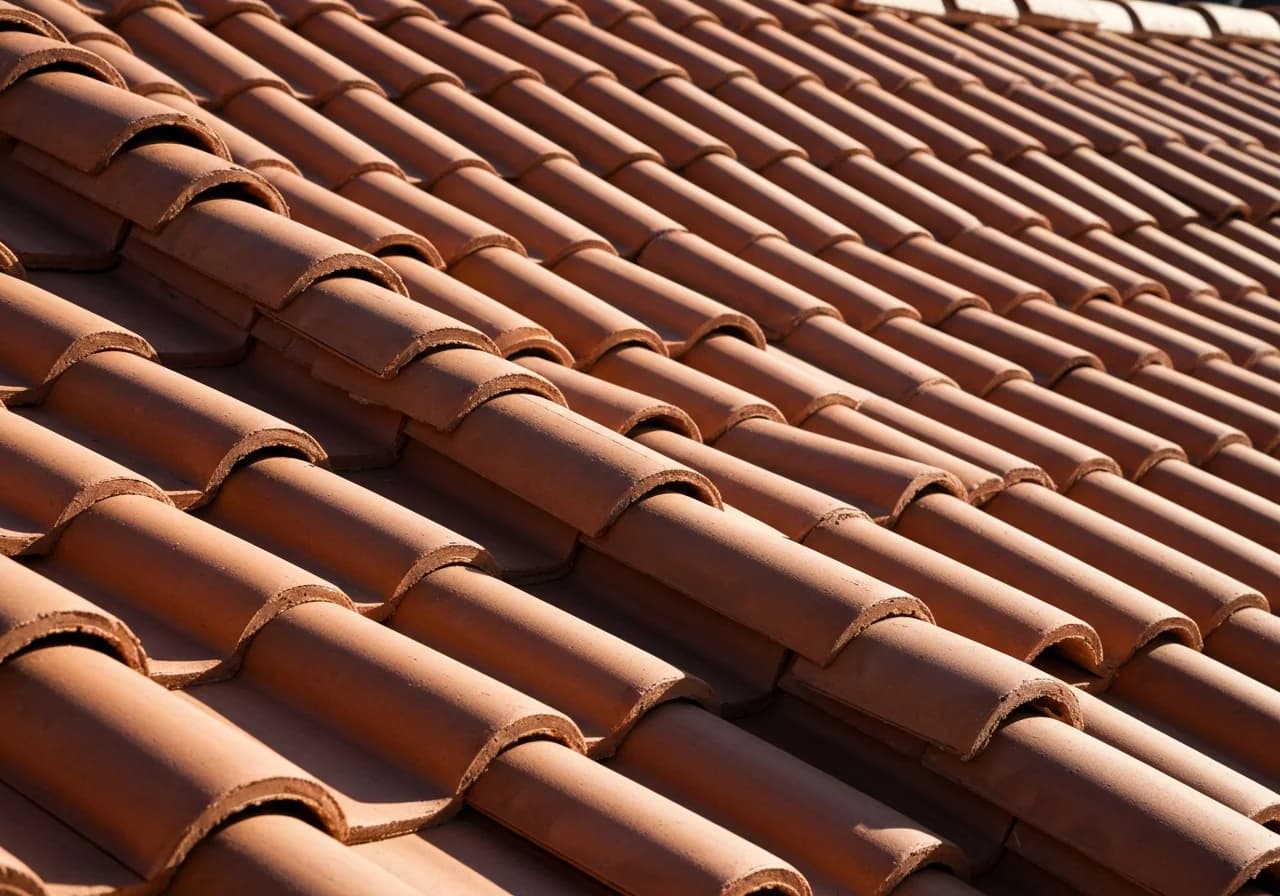
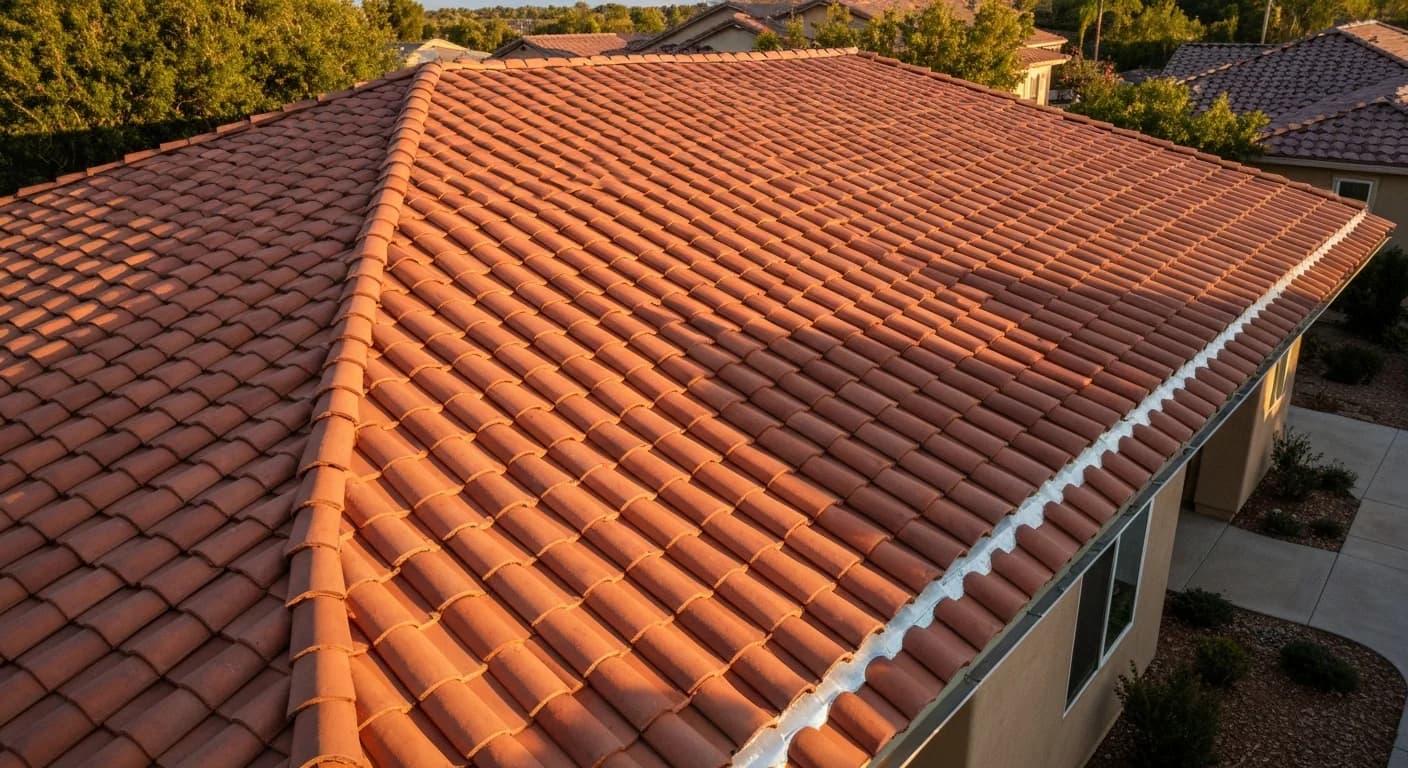
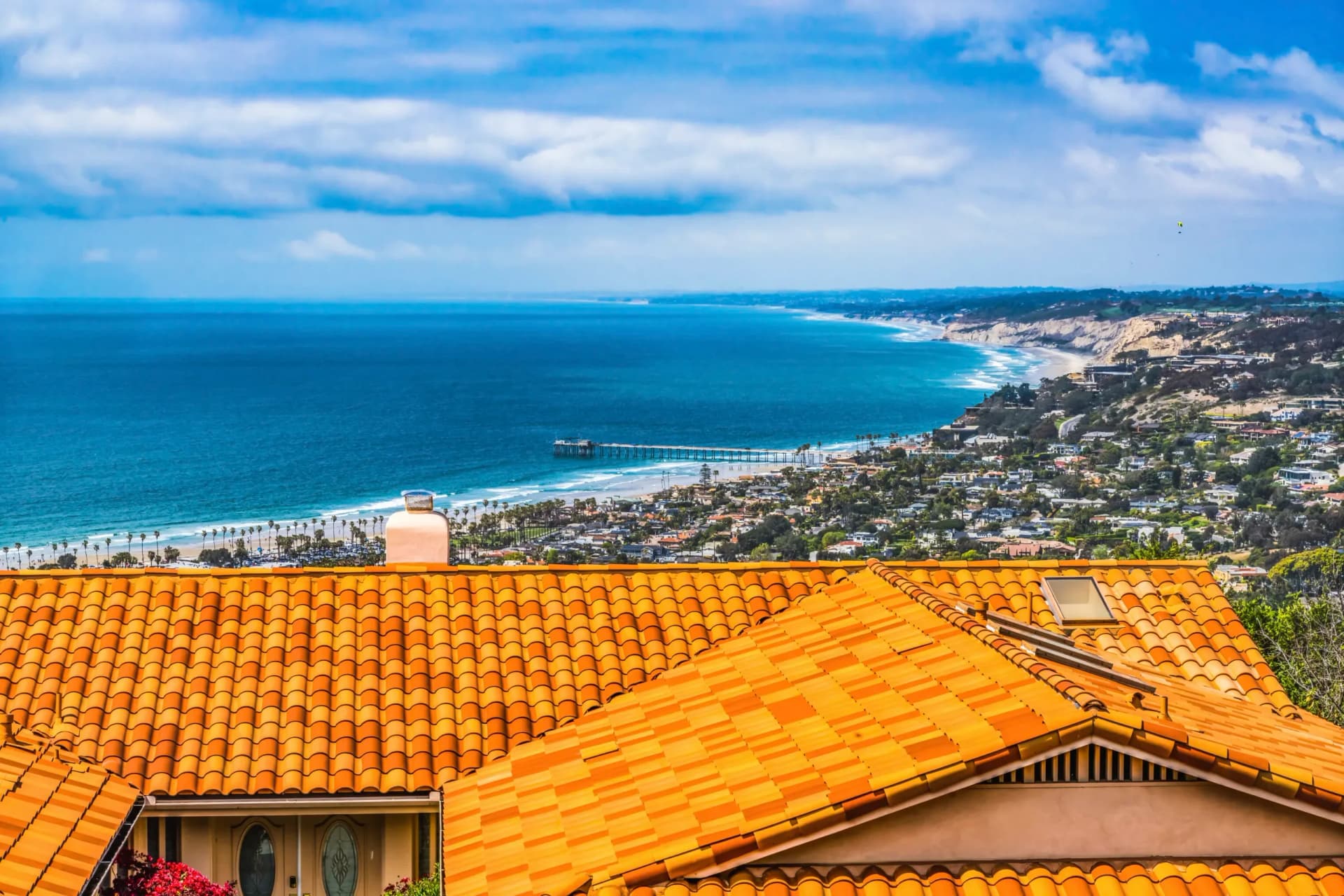
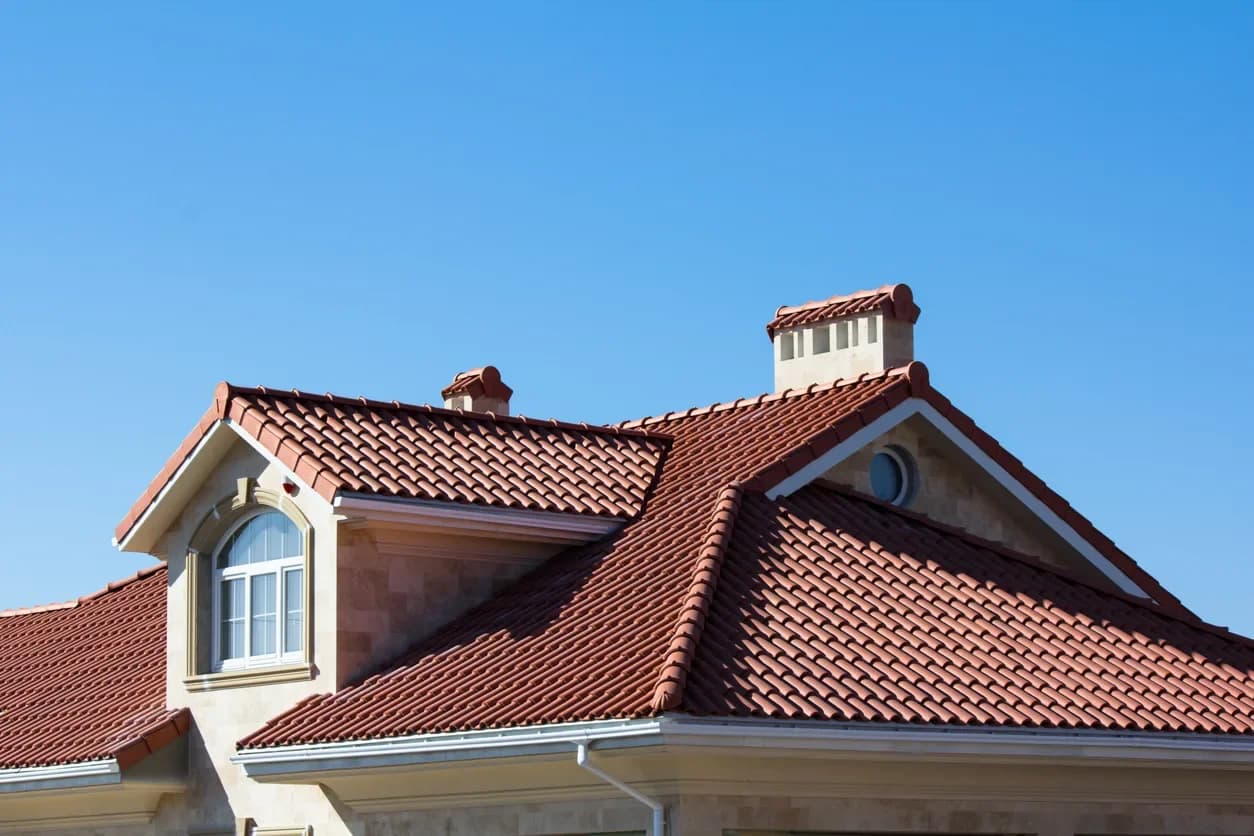
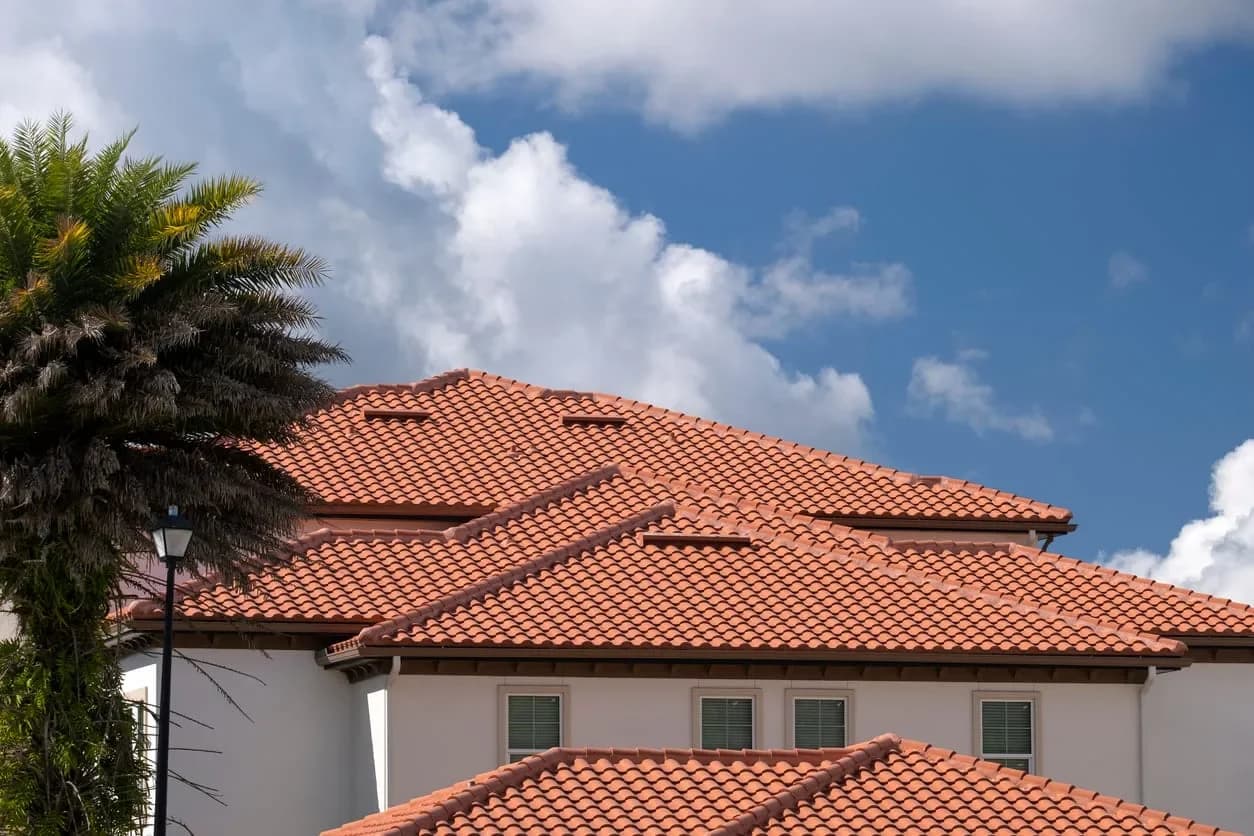
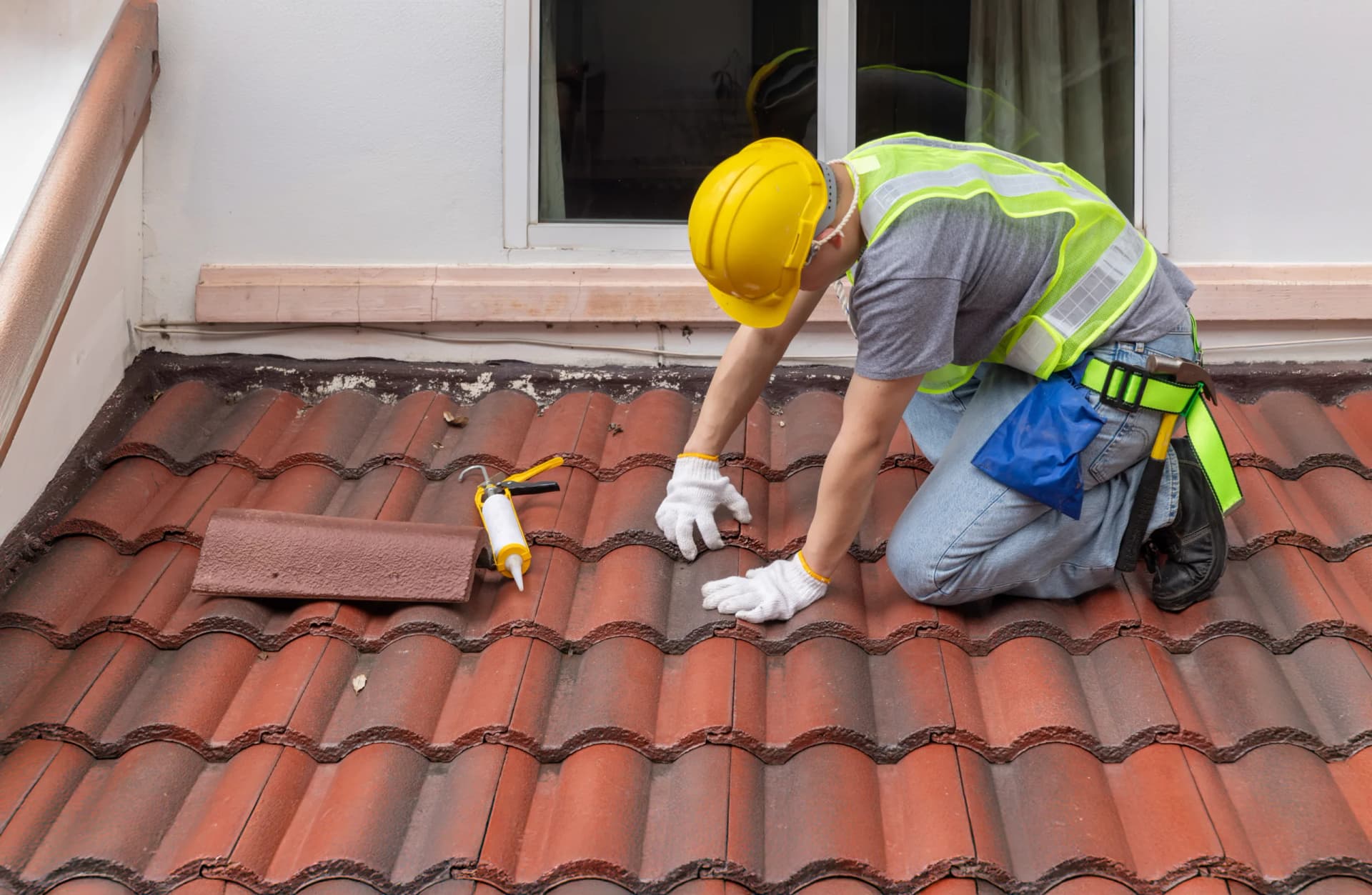
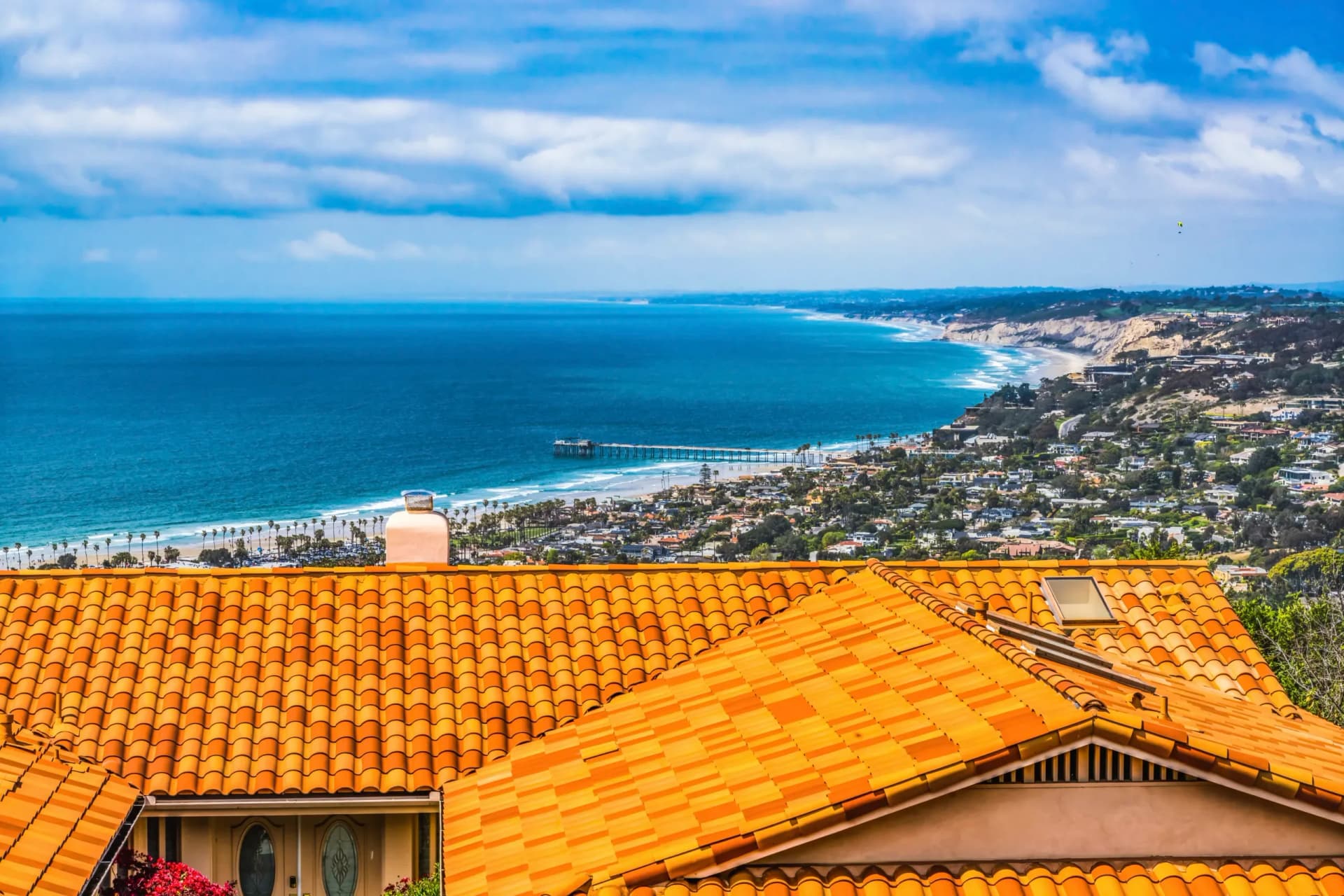
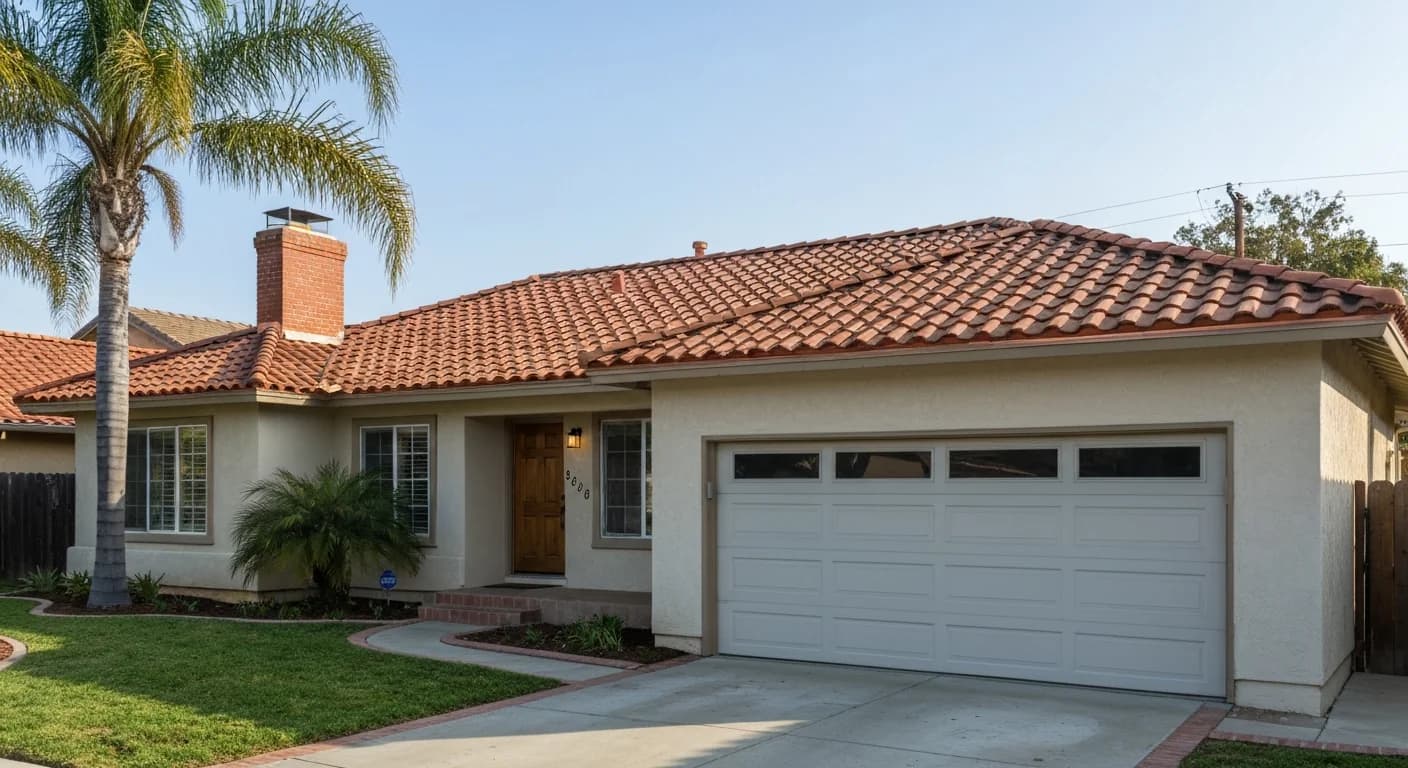
Tile is the workhorse of San Diego fire-zone roofing. Concrete and clay tile are non-combustible by nature, carry Class A ratings as part of a listed assembly, and routinely last 50 years or more in this climate. Tile also suits the Spanish and Mediterranean architecture that dominates Rancho Santa Fe, Poway, and the coastal mesas. The critical fire detail with tile is the bird-stop and the underlayment: embers can blow up under the open ends of barrel tile, so a properly closed eave and a fire-rated underlayment are what actually make the system Class A. We cover material specifics on our tile roofing page.
Standing-Seam and Stone-Coated Metal
Metal roofing is non-combustible, sheds embers cleanly because there are few horizontal ledges for them to rest on, and standing-seam panels can last 40 to 60 years with stainless or aluminum fasteners that resist coastal salt-air corrosion. For homes in El Cajon, Santee, and the inland fire corridors — and increasingly for modern coastal builds — metal is one of the strongest fire choices available. Details and panel options are on our metal roofing page.
Class A Architectural Asphalt Shingles
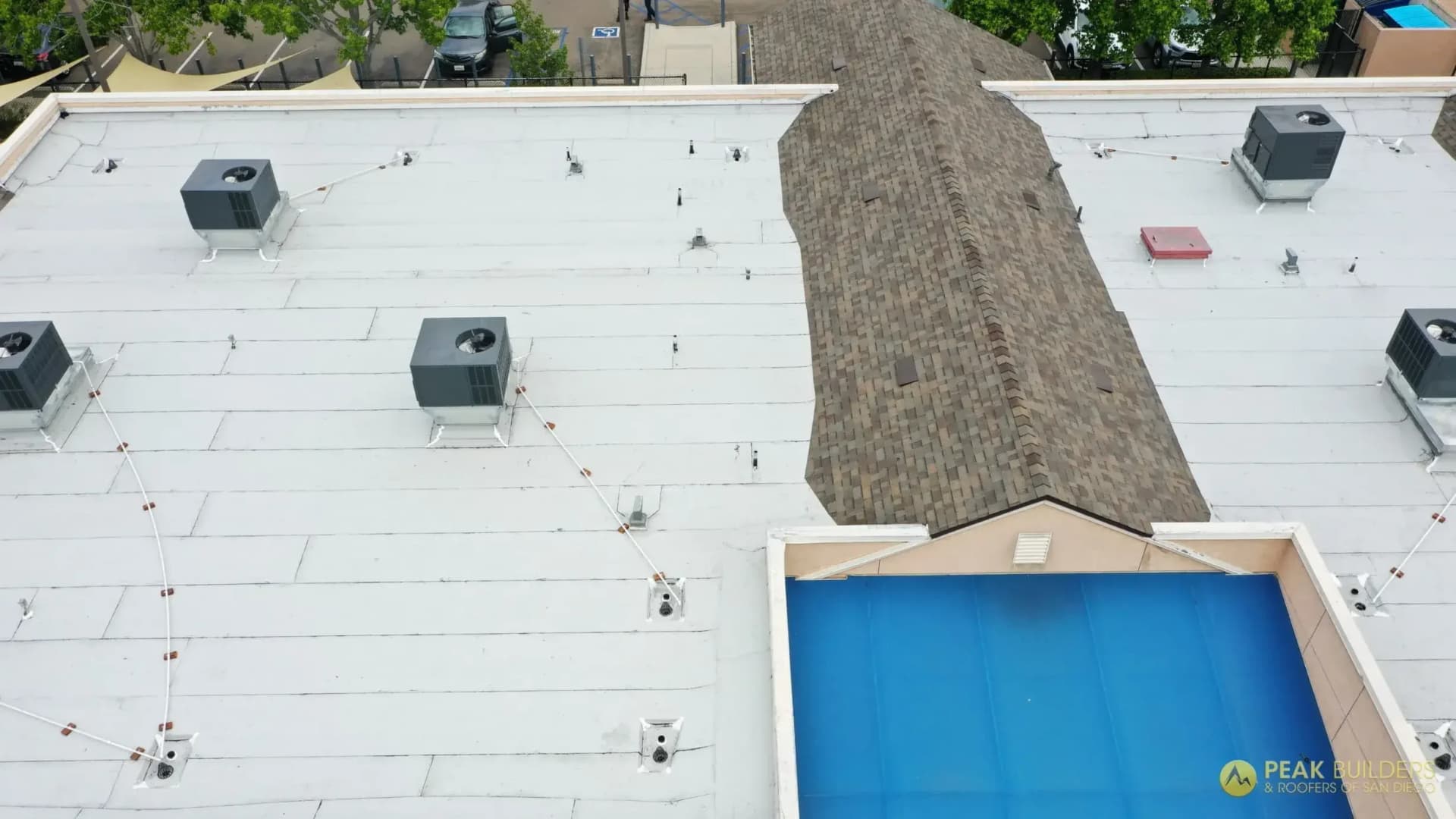
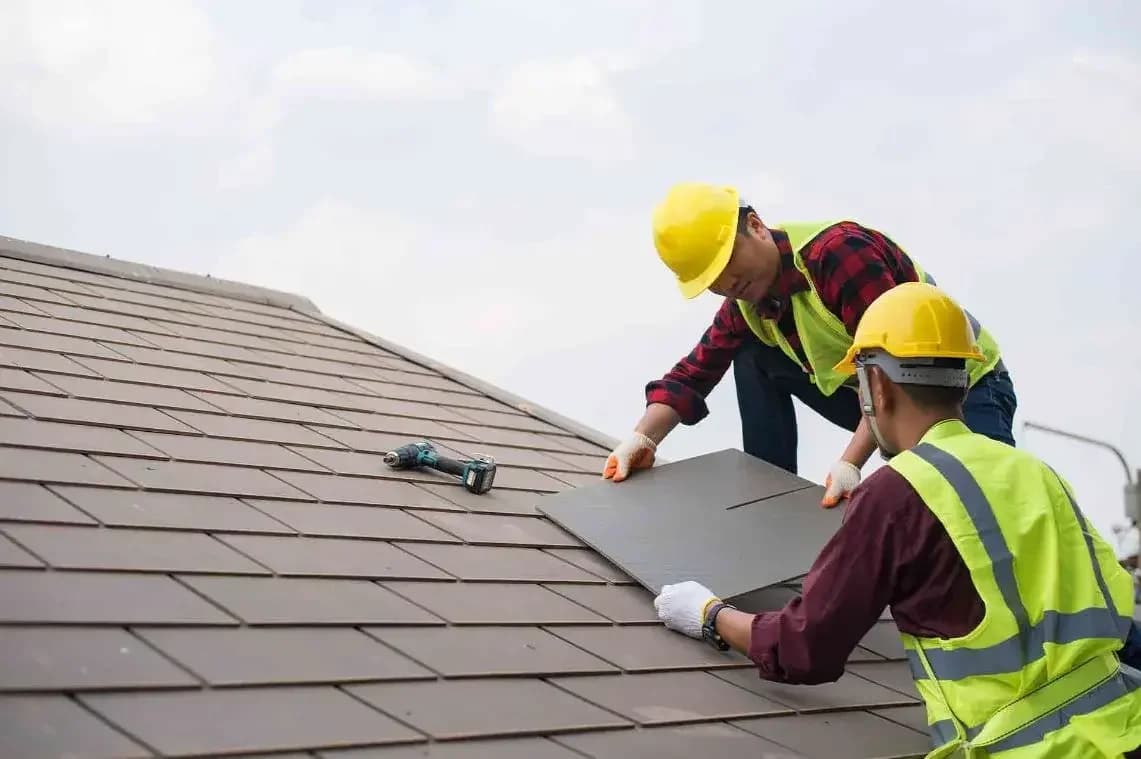
Many fire-rated asphalt shingles reach Class A as an assembly when installed over the right fire-resistant underlayment and deck — including GAF Timberline HDZ, Owens Corning Duration, and CertainTeed Landmark. A quality architectural shingle assembly typically lasts 25 to 30 years here. The key word is again assembly: the Class A rating belongs to the shingle, underlayment, and deck combination tested together, which is why a like-for-like layer of cheap felt under a premium shingle can quietly break compliance. Done correctly, a Class A shingle roof is the most cost-conscious way to meet code in a fire zone.
Across all three, the components that turn a covering into a compliant Class A assembly are the same: a fire-rated underlayment (often a Class A cap sheet or a fiberglass-reinforced underlayment listed for the assembly), a sound deck, non-combustible flashing — stainless or aluminum near the coast to fight corrosion — and ember-resistant edge and vent detailing.
The Vents Are Half the Battle
A Class A covering over an open, unscreened attic vent is a fire trap. California's WUI code requires ember-resistant vents tested to ASTM E2886 and approved by the California State Fire Marshal — vents engineered to block flame and limit the intrusion of embers into the attic, where they can ignite stored material and framing out of sight. Eave, soffit, ridge, and gable vents all need to be brought into the standard, and the work has to be done without strangling the attic airflow your roof needs to control heat and moisture. Because ventilation is its own balancing act, we detail the airflow and ember-screening side of the job on our roof ventilation page — read it alongside this one, because in a fire zone the covering and the vents are a single problem.
How Fire Hardening Applies to a San Diego Re-Roof
The most common trigger for a fire-rated upgrade is a re-roof, and California's "50% rule" is the line to watch. Under the WUI provisions, when you replace more than 50% of the roof covering within a 12-month period, the entire roof must be brought up to the current Class A standard — you can't fire-harden only the section you tore off. A small like-for-like patch generally doesn't trigger it; a full or significant re-roof does. Here's how Peak runs a compliant fire-zone re-roof:
- Confirm the zone. We check your address against the City/County FHSZ and WUI maps so we know exactly which provisions your permit will be held to before anything is quoted.
- Design the assembly. We specify a Class A covering — tile, metal, or a fire-rated shingle — matched to a listed underlayment and deck so the whole system carries the rating, not just the top layer.
- Tear off and inspect the deck. Class A is an assembly, so the sheathing has to be sound. We replace compromised decking and confirm the substrate is rated for the system going on top.
- Detail the ember paths. Fire-rated underlayment, closed eaves and bird-stops on tile, non-combustible (stainless/aluminum) flashing, and ASTM E2886 ember-resistant vents at every opening.
- Permit and inspect. We pull the permit and stand for the City or County inspection so your Class A assembly is documented — which matters for insurance and for resale in a fire zone.
If you're weighing a full tear-off versus a repair, our roof replacement page walks through how that decision interacts with code, and our main roofing services page maps the full range of options.
San Diego Code, Climate, and the Fire-Zone Neighborhoods
Two California code tracks land on a San Diego re-roof at the same time, and it helps to keep them straight. The first is the wildfire track — the Class A assembly and ember-resistant vent requirements above — which governs any home inside an FHSZ or WUI area. The second is the energy track: California's Title 24 Building Energy Efficiency Standards, where coastal San Diego sits in Climate Zone 7. The 2025 energy code cycle (effective January 1, 2026) tightened and extended cool-roof provisions, and depending on your specific climate zone and roof slope, a full or significant re-roof can trigger a requirement for CRRC-listed roofing products with rated solar reflectance and thermal emittance. A like-for-like patch generally doesn't; a full re-roof can. The good news for fire-zone homeowners is that many Class A tile, metal, and cool-rated shingle products already carry CRRC listings, so a well-specified assembly can satisfy both tracks at once. We confirm which provisions actually apply to your address rather than guessing.
San Diego's environment makes the workmanship matter as much as the materials. The marine layer and ocean salt air corrode ordinary fasteners and flashing, which is why we spec stainless or aluminum at the coast in La Jolla, Del Mar, Encinitas, Carlsbad, Coronado, and Point Loma. Intense year-round UV ages asphalt faster than inland averages suggest. Santa Ana wind events drive the ember exposure that makes Class A non-negotiable in Poway, Scripps Ranch, Escondido, El Cajon, Santee, and Rancho Santa Fe. And the atmospheric-river storms that now define San Diego winters test every flashing and underlayment seam. A fire-rated roof that leaks in February is a failure; we build for fire, salt, sun, and water together.
Note one thing about solar: Peak is a roofing contractor, not a solar installer. If you have panels or plan to add them, the right sequence in a fire zone is to install the Class A assembly first and coordinate the timing with your solar company — re-roofing under existing panels is far more expensive than doing the roof first. We handle the roofing side and work cleanly alongside your installer.
Why San Diego Homeowners Trust Peak in Fire Country
Peak Builders & Roofers of San Diego has been roofing this county since 1999 and has completed 5,000+ San Diego roofs, including fire-zone assemblies across Poway, Scripps Ranch, Rancho Santa Fe, Escondido, and the East County communities where Class A compliance isn't optional. We're a CSLB-licensed California contractor (#1008986), hold a BBB A+ rating, and carry a 4.9-star average across 230+ reviews. We're also GAF Master Elite and Owens Corning Platinum Preferred — manufacturer credentials held by a small fraction of roofers, which let us install fire-rated shingle assemblies with the enhanced workmanship warranties those programs require. That combination matters most in a fire zone, where the difference between a roof that passes inspection and one that protects your home is the quality of the underlayment, the eave detailing, and the vents — the parts no one sees from the curb.
Get a Free Fire-Zone Roof Inspection
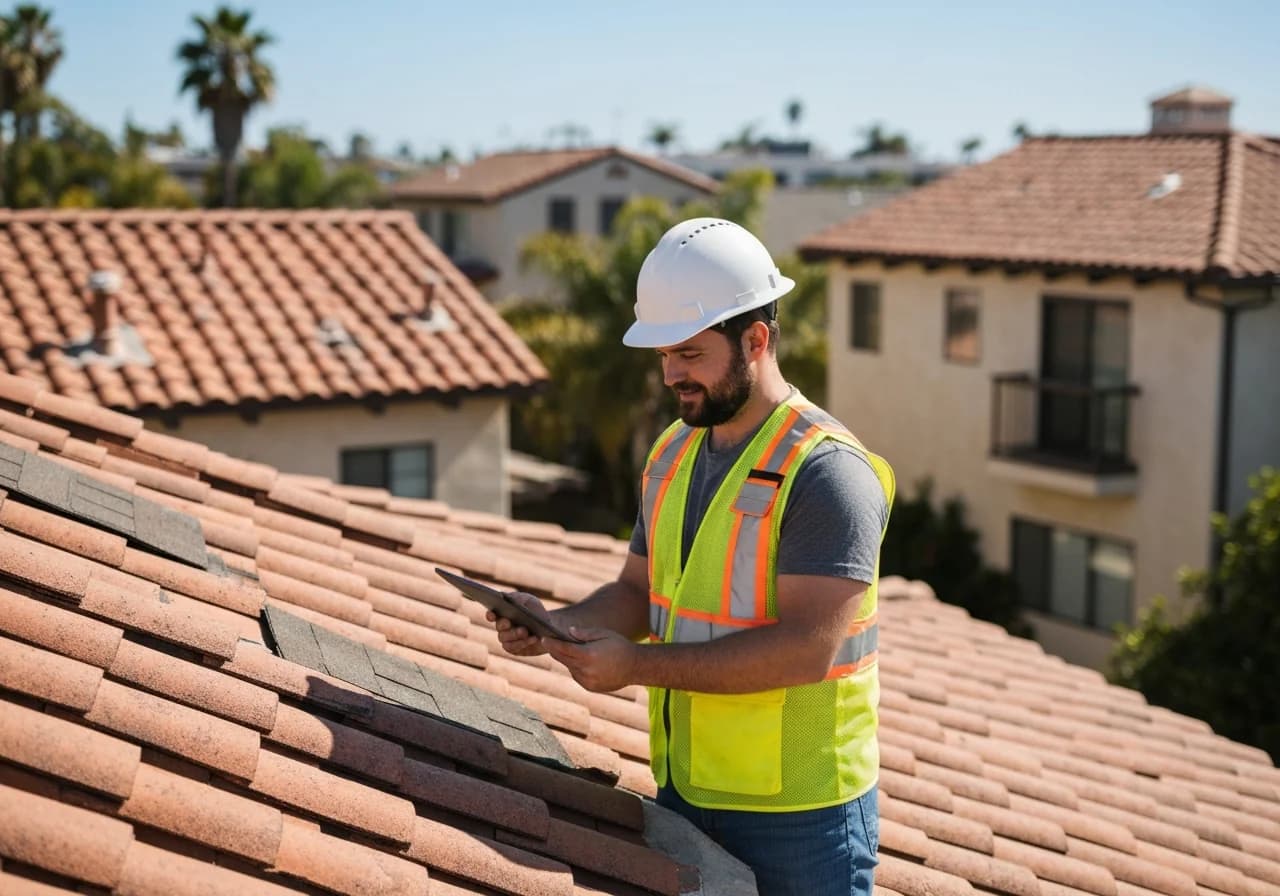
If your San Diego home sits in or near a Fire Hazard Severity Zone, the smartest move is to know exactly where your current roof stands before fire season — and before a partial repair quietly trips the 50% rule and forces a full upgrade on someone else's timeline. Peak will inspect your roof, check your address against the FHSZ and WUI maps, and lay out a Class A assembly that meets code, suits your home, and lasts. Call (619) 330-8185 or contact us for a free, no-pressure fire-resistant roofing inspection.