When the flat roof over your San Diego warehouse, retail center, or office park starts pooling water after a rare January storm — or a tenant calls about a stain spreading across their ceiling tiles — you need a contractor who understands that the roof is part of your operation, not just your building. Commercial roofing in San Diego is its own discipline: low-slope membranes instead of shingles, drainage engineered for ponding, manufacturer warranties that hinge on documented maintenance, and a work schedule that has to bend around your business hours rather than the other way around.
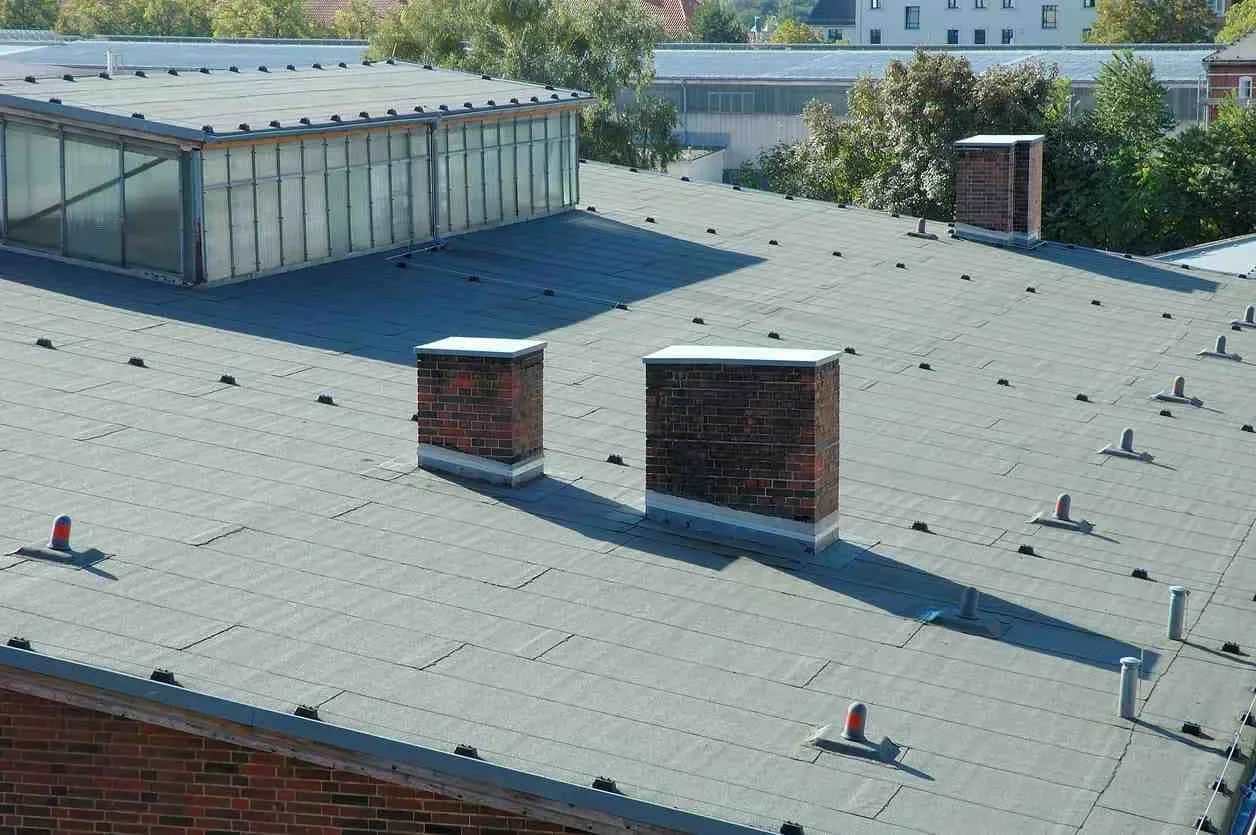
Here is the plain answer. Most commercial and industrial buildings in San Diego County carry flat or low-slope roofs, which means a single-ply membrane (TPO or PVC), a multi-ply system (modified bitumen or built-up), or a restorative coating — not asphalt shingles. Peak Builders & Roofers installs, repairs, restores, and maintains all of these across retail, office, industrial, and multifamily properties. A straightforward membrane replacement on an accessible roof typically runs a few days to about two weeks depending on square footage, tear-off layers, insulation, and rooftop equipment; a coating restoration or a targeted flat roof repair is faster. Every project starts with a roof inspection and a written, itemized scope, and we coordinate directly with your property manager and, when applicable, your insurance adjuster.
The real problem on a San Diego commercial roof
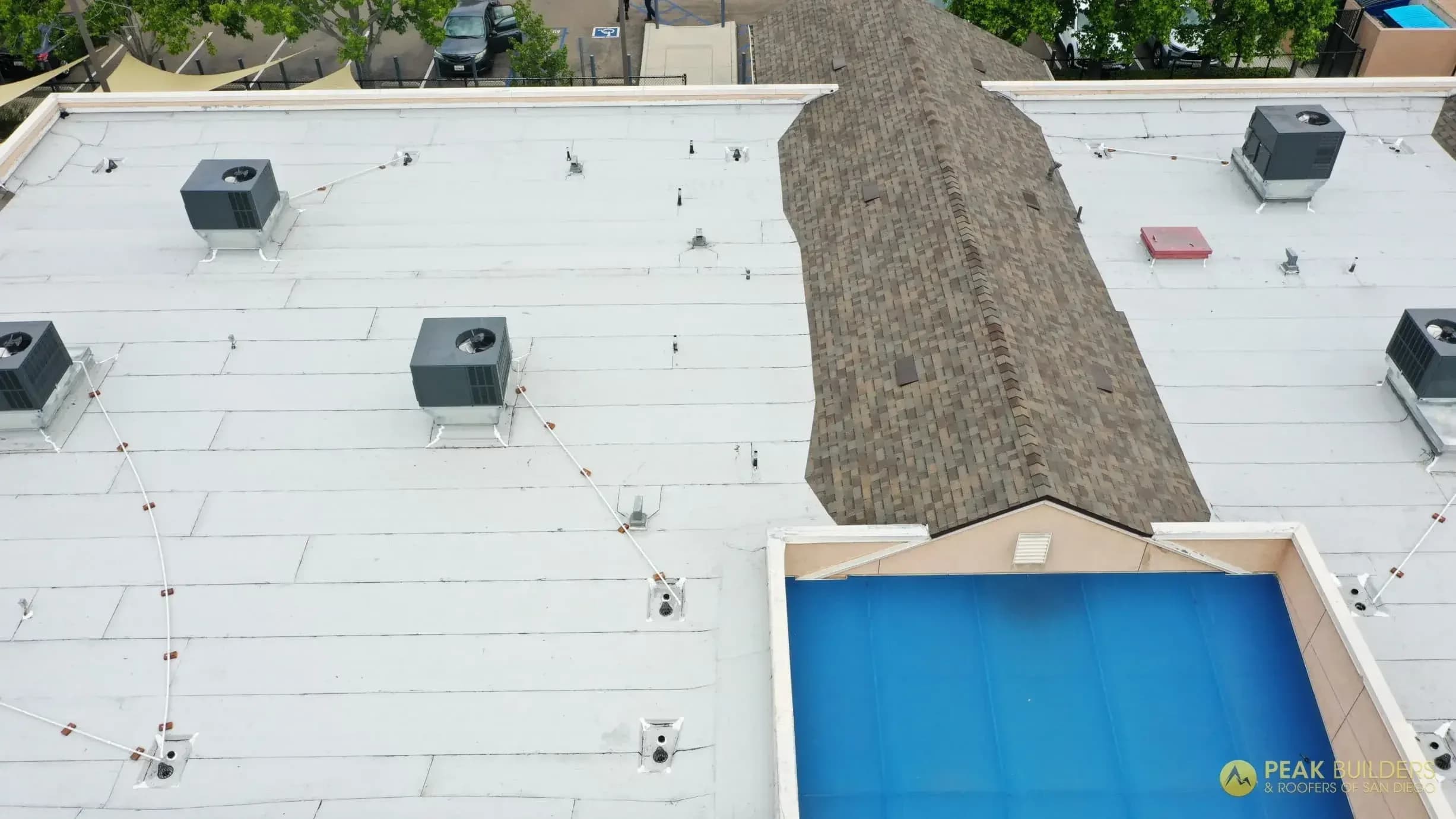
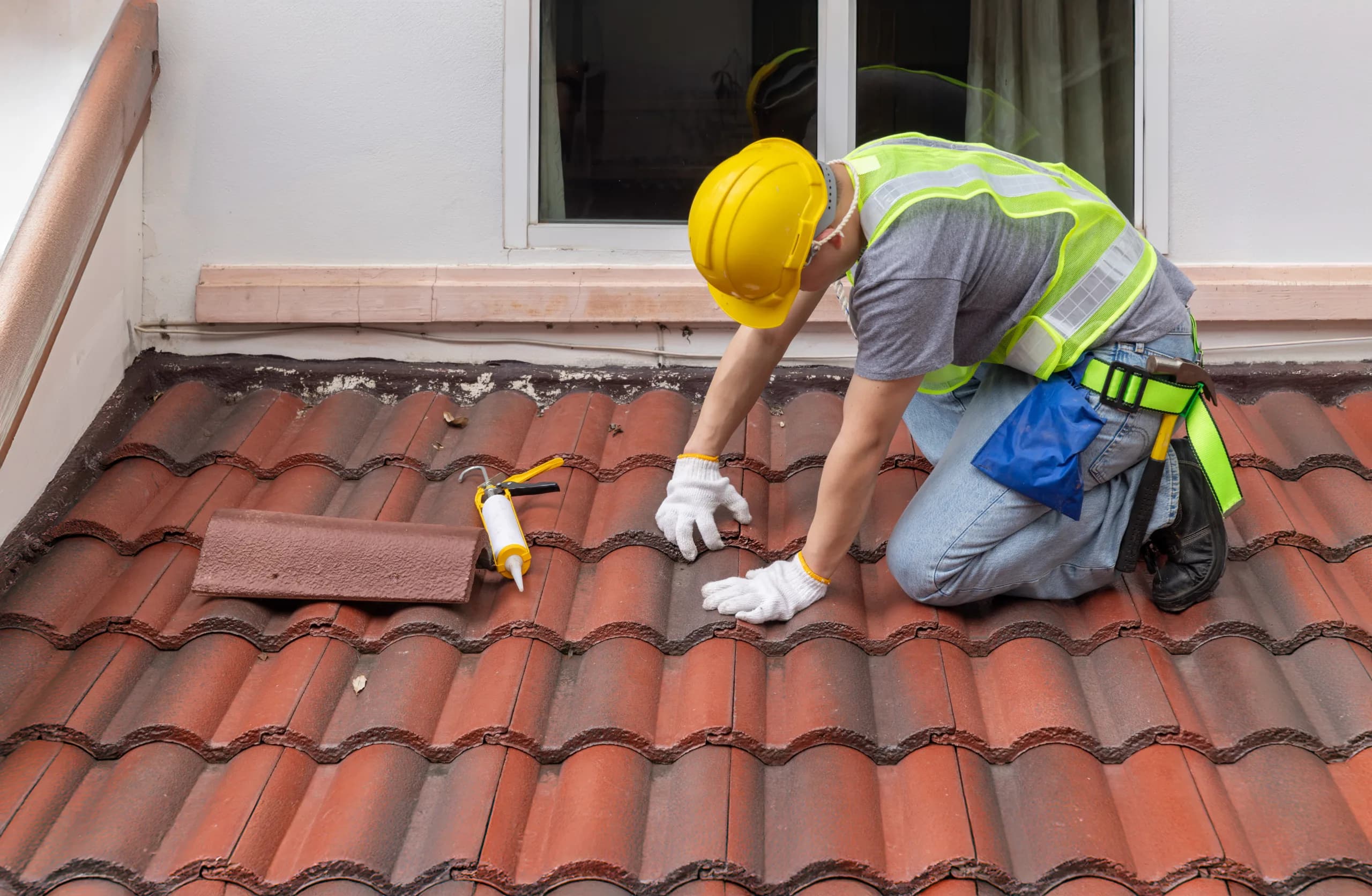
The membrane itself rarely fails first. What fails is everything around it — seams that lift, flashing that pulls away from a parapet wall, drains and scuppers that clog, and curb details around HVAC units, vents, and skylights where water finds its way in. On a low-slope roof in our climate, two forces accelerate that breakdown. Year-round UV exposure cooks the surface and breaks down older asphalt and uncoated membranes, and near the coast — La Jolla, Del Mar, Point Loma, Coronado — salt-laden marine air corrodes fasteners, metal edge details, and rooftop equipment faster than most building owners expect. Add the occasional Santa Ana wind event that lifts loose flashing and drives embers into roof debris, and a roof that "looks fine" from the parking lot can be quietly failing at a dozen penetrations.
The solution is rarely a panicked full replacement. It is matching the right system to the building's condition and use, then protecting it with a maintenance program that keeps small problems small. A sound deck with an aging membrane is often a restoration candidate; a roof with wet insulation or end-of-life material needs a tear-off and a new system. The inspection is what tells us which — and we will tell you honestly when you do not need to spend on a full replacement yet.
Commercial roofing systems we install in San Diego
TPO and PVC single-ply membranes
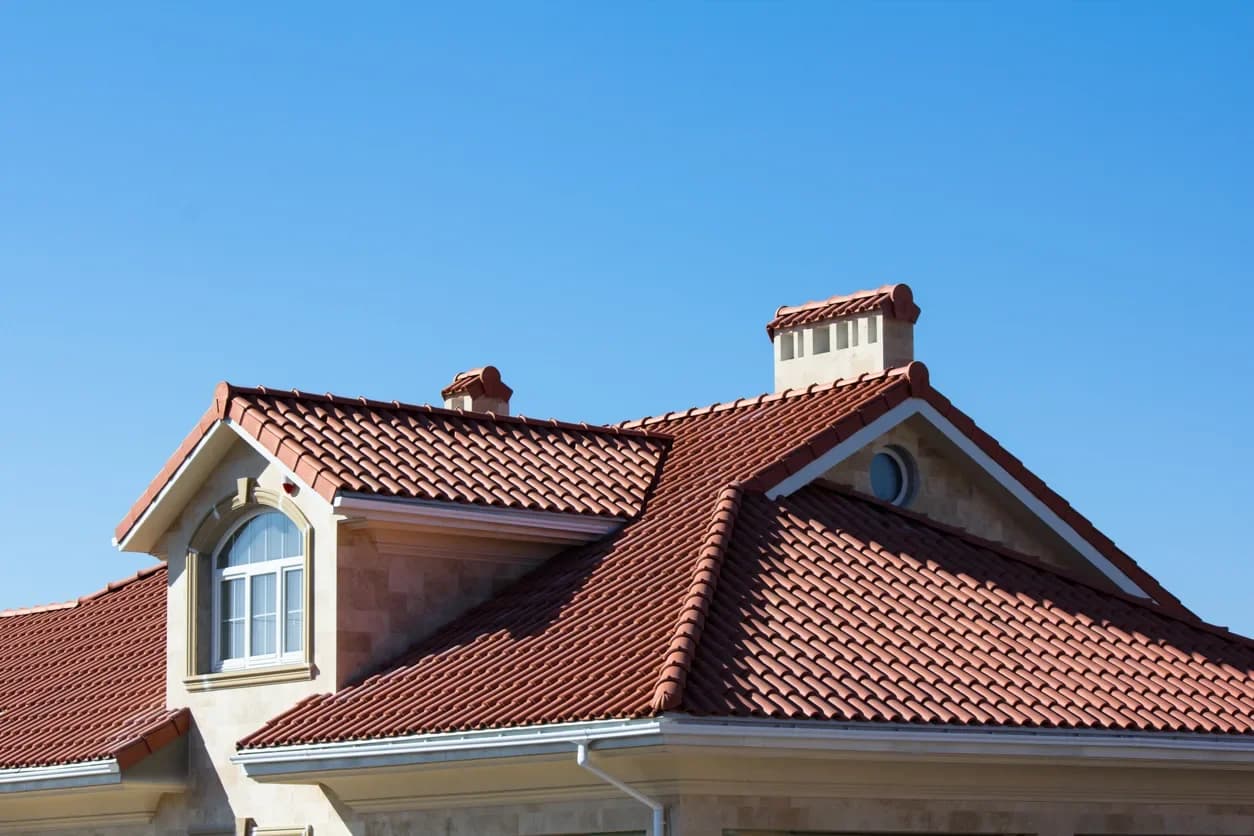
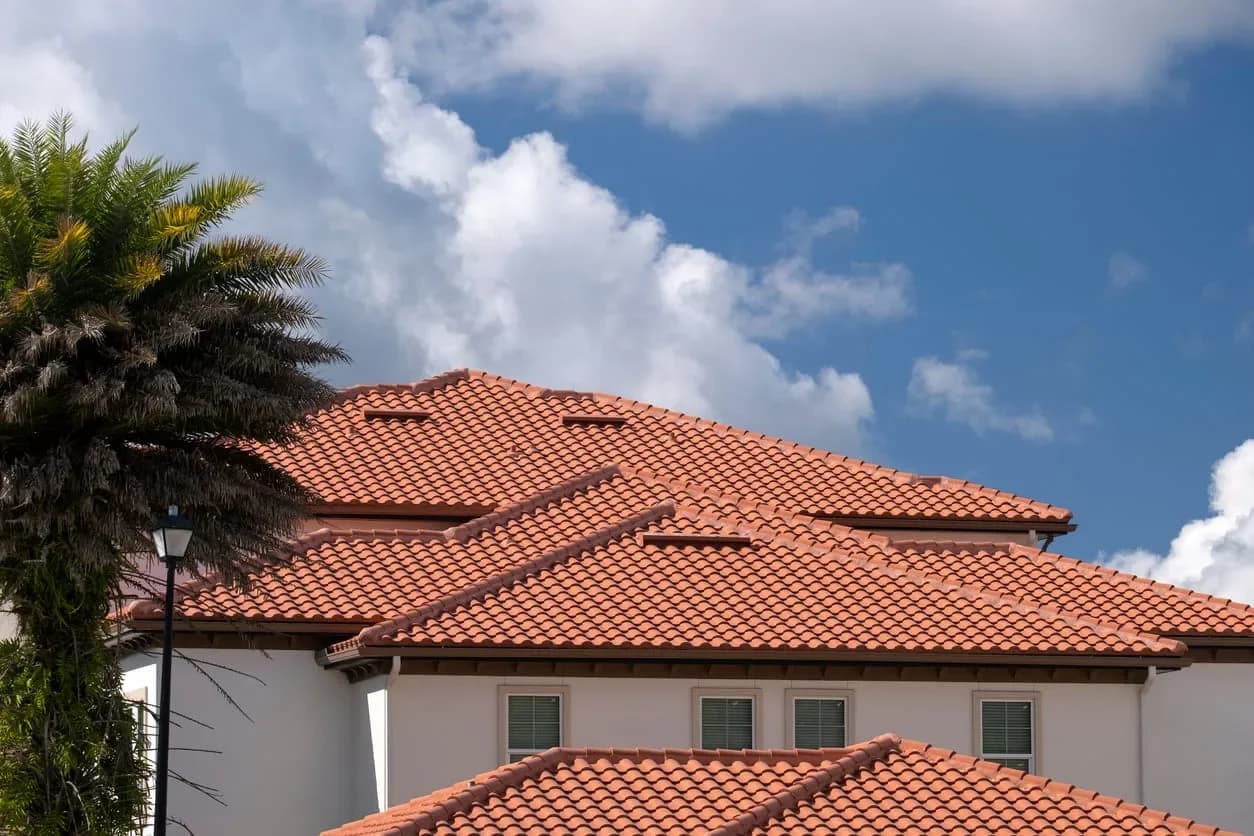
For most San Diego flat roofs, a heat-welded single-ply membrane is the default. TPO (thermoplastic polyolefin) is a bright-white, reflective sheet that is hot-air welded at the seams into a continuous waterproof surface. Its reflectivity is a genuine advantage here: a white cool-roof surface runs dramatically cooler than dark roofing under our sun, which lowers the cooling load on the tenants below and helps the roof meet California's Title 24 cool-roof requirements. A well-installed TPO system lasts roughly 20 to 30 years. PVC is a close cousin — also heat-welded and reflective, but with stronger chemical and grease resistance, which makes it the better pick for restaurants, commissaries, and any roof exposed to kitchen exhaust. PVC commonly reaches 25 to 30+ years. Both are excellent fits for retail, office, and industrial buildings where a clean, reflective, low-maintenance roof is the goal.
Modified bitumen and built-up roofing
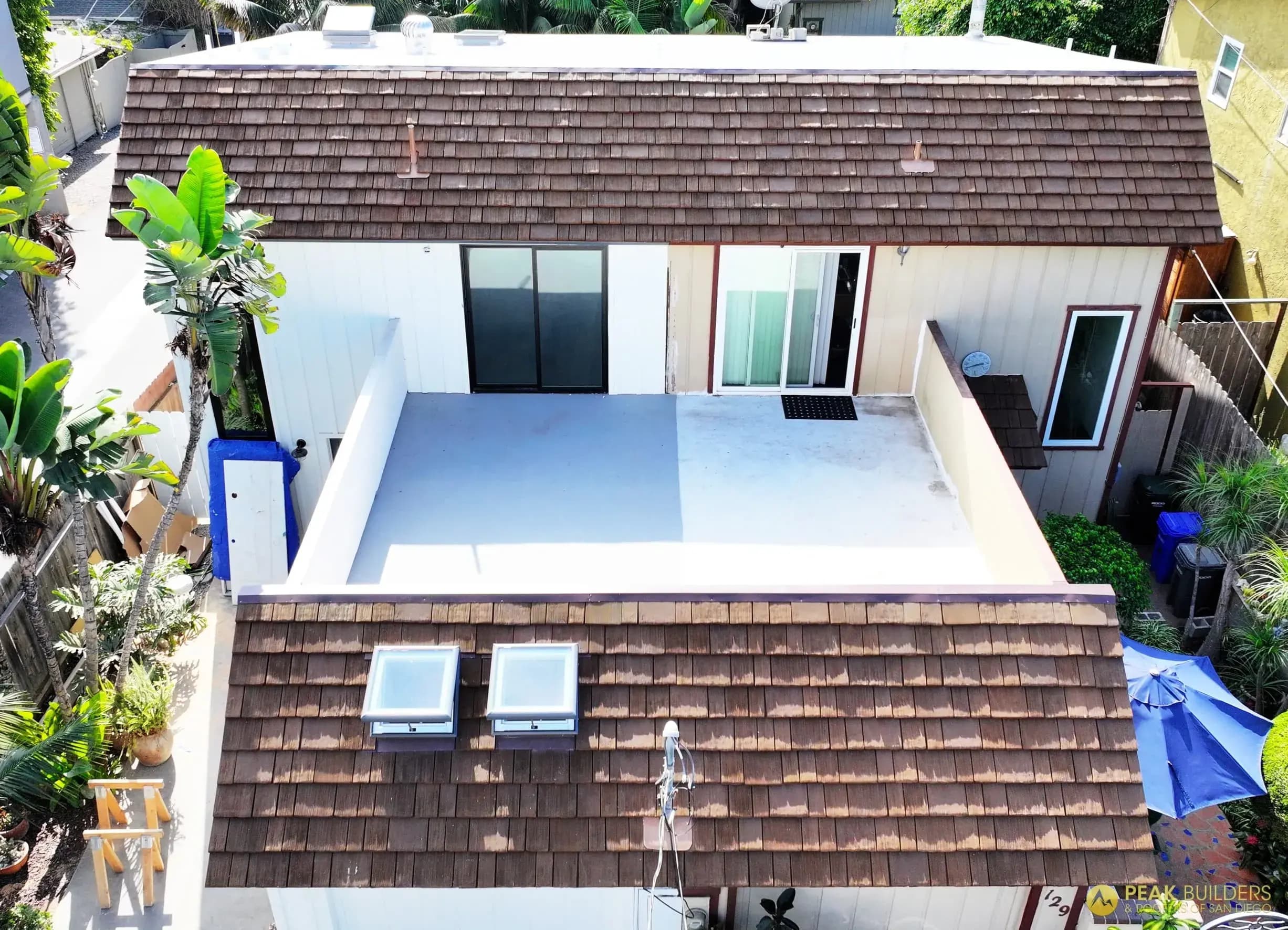
Modified bitumen is a multi-ply asphalt system reinforced with polymer-modified sheets, torch- or adhesive-applied in layers. It is tough underfoot and forgiving of foot traffic, which makes it a strong choice for roofs with frequent service access or heavy equipment. Built-up roofing (BUR) — the classic tar-and-gravel assembly — is a proven multi-layer system still used on many older San Diego commercial buildings. Both deliver roughly 15 to 25 years of service and accept a reflective cap or coating to satisfy cool-roof code. Where a building owner wants the longest service life and the slope allows it, standing-seam metal is the other end of the spectrum, with a 40+ year lifespan and excellent wind resistance — though near the coast we specify finishes and fasteners chosen to resist salt-air corrosion.
Silicone and acrylic roof coatings (restoration)
When the deck and insulation are dry and the existing membrane has life left, a silicone or acrylic coating is a restoration path that seals the roof, renews reflectivity, and adds roughly 10 to 15 years without the disruption and tear-off of a full replacement. Silicone in particular handles ponding water well, which matters on dead-flat San Diego roofs. A coating is not a fix for a wet or failed roof — but on a sound one, it is the lowest-disruption way to extend service life and stay code-compliant.
What goes into your commercial roofing project
No two commercial roofs have the same scope, and the honest answer is that the scope drives everything. The biggest factors we assess on the inspection: total square footage and roof geometry; how many existing layers have to come off (a tear-off to deck is more involved than a single-layer recover, and a recover is not always permitted); the chosen system and insulation package; and rooftop complexity — the number of HVAC curbs, pipes, drains, skylights, and parapet details, since every penetration is a place water can enter and therefore a place that needs careful flashing.
Then there is what we find once we are up there. Hidden moisture in the insulation, soft or rotted decking, and corroded metal edge details all expand scope, which is exactly why the inspection comes first and why nothing in the written quote is a surprise. Code can add to scope too: California's Title 24 energy code — with its 2025 update that took effect January 1, 2026 tightening reflectance requirements for low-slope roofs (Climate Zone 7 here) — may require a cool-roof surface, and fire-zone (WUI) properties may need a Class A assembly. Access matters as well: a roof reachable only through an occupied tenant space, or one needing a crane to stage equipment, takes more planning than an open industrial roof. Every quote we write is free and itemized line by line, so you can see exactly what is included and where you have options.
Our process
- Roof inspection — we walk the roof, photograph the seams, flashing, drains, and penetrations, and check for ponding and moisture.
- Written, itemized quote — a clear scope and system recommendation, with options where they exist, reviewed with you and your property manager.
- Permitting — we pull the permit from the correct jurisdiction (City of San Diego, Chula Vista, El Cajon, County, and others) and handle Title 24 / cool-roof documentation.
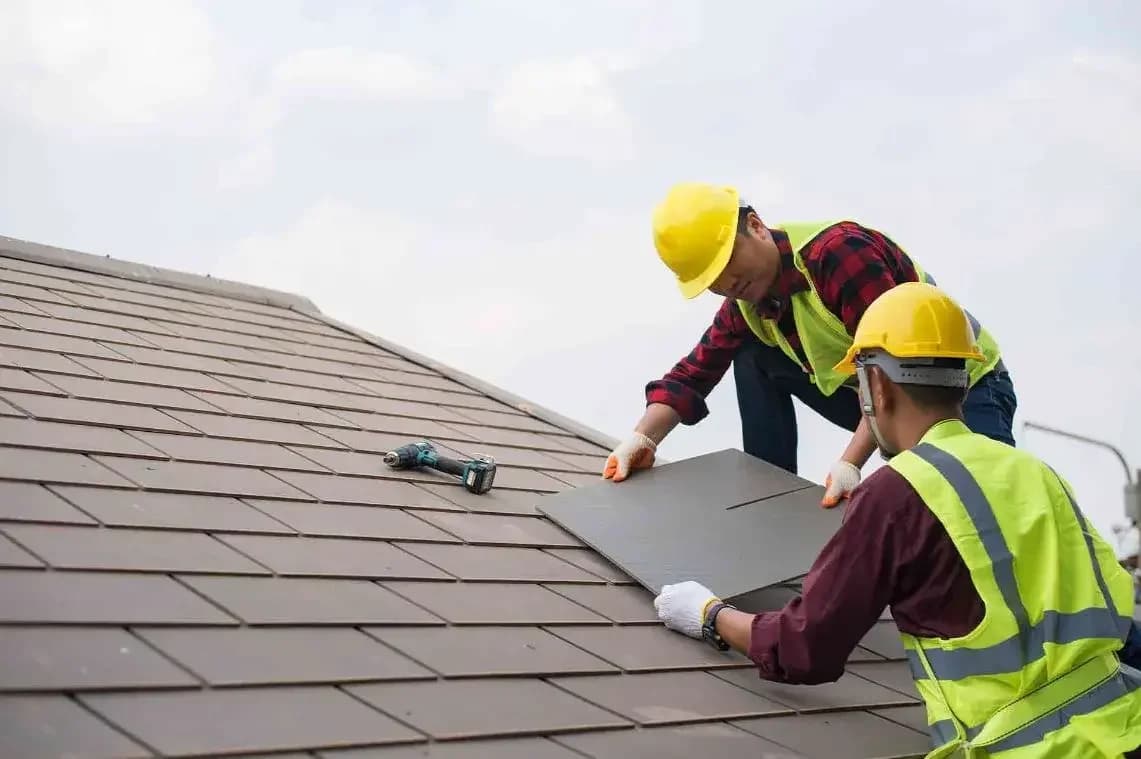
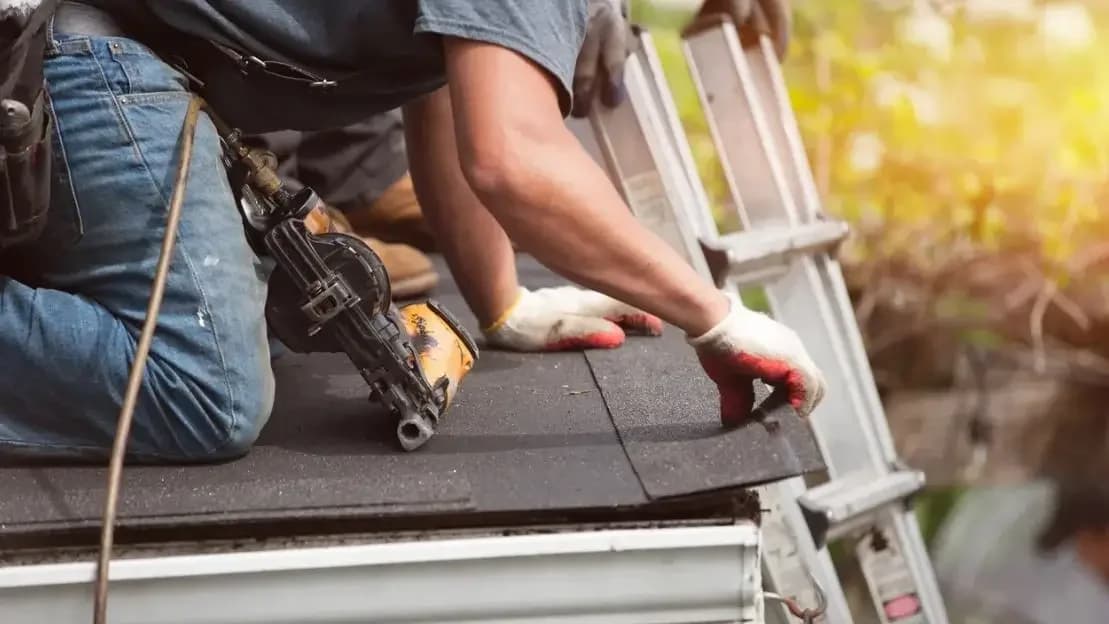
- Installation — phased and scheduled around your occupancy and business hours to minimize disruption to tenants and operations.
- Daily cleanup and magnetic nail sweep — the site is left safe and clear each day, with a magnetic sweep of parking and walkways.
- Final inspection — we verify seams, flashing, and drainage and walk the finished roof with you.
- Warranty registration — we register your manufacturer system warranty and set up the maintenance schedule that keeps it valid.
Built for San Diego's climate, code, and neighborhoods
San Diego County is not one roofing climate but several. Coastal corridors — La Jolla, Del Mar, Encinitas, Coronado, Point Loma — live with salt air that corrodes uncoated metal and fasteners, so we specify corrosion-resistant details and reflective membranes that shrug off UV. Inland and East County properties in El Cajon, Santee, and Poway face higher heat and real wildfire exposure, where a cool roof and a fire-conscious assembly earn their keep. South Bay buildings in Chula Vista and National City sit in between. Across all of them, the practical install window runs through the dry season, roughly May through October, and coastal properties may fall under a Coastal Commission overlay that affects permitting.
Picture a multi-tenant retail center off a coastal corridor with a fifteen-year-old TPO roof. From the ground it looks intact, but the inspection finds seams beginning to lift, two clogged drains holding standing water after the last storm, and corroded edge metal on the windward side. The building does not need a full tear-off yet — it needs the drains cleared, the failing seams and edge metal repaired, and a maintenance program so the next failed seam is caught at inspection instead of by a tenant's water-stained ceiling. That is the difference between a planned repair and an emergency, and it is the entire point of a preventive maintenance program: twice-yearly inspections, cleared drains, resealed penetrations, and a documented log that protects both the building and the manufacturer warranty.
Why San Diego building owners choose Peak Builders
Founded in 1999, Peak Builders has installed more than 5,000 roofs across the county. We hold California contractor's license CSLB #1008986, carry an A+ rating with the BBB, and hold a 4.9-star Google rating across 230+ reviews. We are a GAF Master Elite contractor — a credential held by only about the top 2 to 3 percent of U.S. roofers — and an Owens Corning Platinum Preferred contractor, which lets us register manufacturer system warranties most contractors cannot offer, alongside our own lifetime, transferable workmanship warranty. For a commercial building owner, that combination matters: the manufacturer warranty protects the materials, our workmanship warranty protects the installation, and the maintenance program keeps both in force.
Get a free commercial roof inspection
Whether your flat roof is leaking now, approaching the end of its service life, or just overdue for the inspection that keeps your warranty valid, the smartest first step is free. We will assess the roof, document its condition with photos, and give you a written, itemized scope with honest options — coating, repair, or replacement — and no pressure to do more than the building needs. Call Peak Builders & Roofers of San Diego at (619) 330-8185 to schedule your free commercial roof inspection.