





Roofing and Solar in San Diego: Why You Re-Roof Before the Panels Go On
If you are weighing roofing and solar in San Diego, the sequence matters more than almost any other decision you will make on the project: in nearly every case you re-roof before solar, not after. Solar panels are engineered to produce for roughly 25 to 30 years. A typical asphalt shingle roof in our coastal-to-inland climate lasts about 20 to 25 years, and many of the homes from La Jolla to Escondido already have a decade or more on the original roof. When you bolt a 25-year solar array onto a roof with only 5 to 10 years left, you are guaranteeing an expensive, disruptive teardown later — every panel has to come off, the roof gets replaced underneath, and every panel goes back on. Doing the roof first means you pay once, the new roof and the array age together, and nothing has to be touched again for a generation.
Peak Builders & Roofers of San Diego is a roofing contractor — we do not sell or install solar panels. What we do is the part that keeps the whole system honest: assess whether your roof should be replaced before solar, install a roof that is built to carry an array for 25-plus years, and coordinate cleanly with your chosen solar installer so the two trades hand off without finger-pointing. Call (619) 330-8185 for a free roof inspection before you sign any solar contract.
What "Solar-Ready Roofing" Actually Means
There is a lot of confusion in San Diego about who does what when a homeowner goes solar. Solar companies install panels, inverters, racking, and wiring. They are not roofers, and most will happily mount an array on whatever roof is already there — including one that is near the end of its life. That is exactly how homeowners end up paying to remove and reinstall a brand-new array a few years later. Solar-ready roofing is the roofing half of the equation: making sure the surface under the panels is sound, code-compliant, and rated to last as long as the system that sits on top of it.
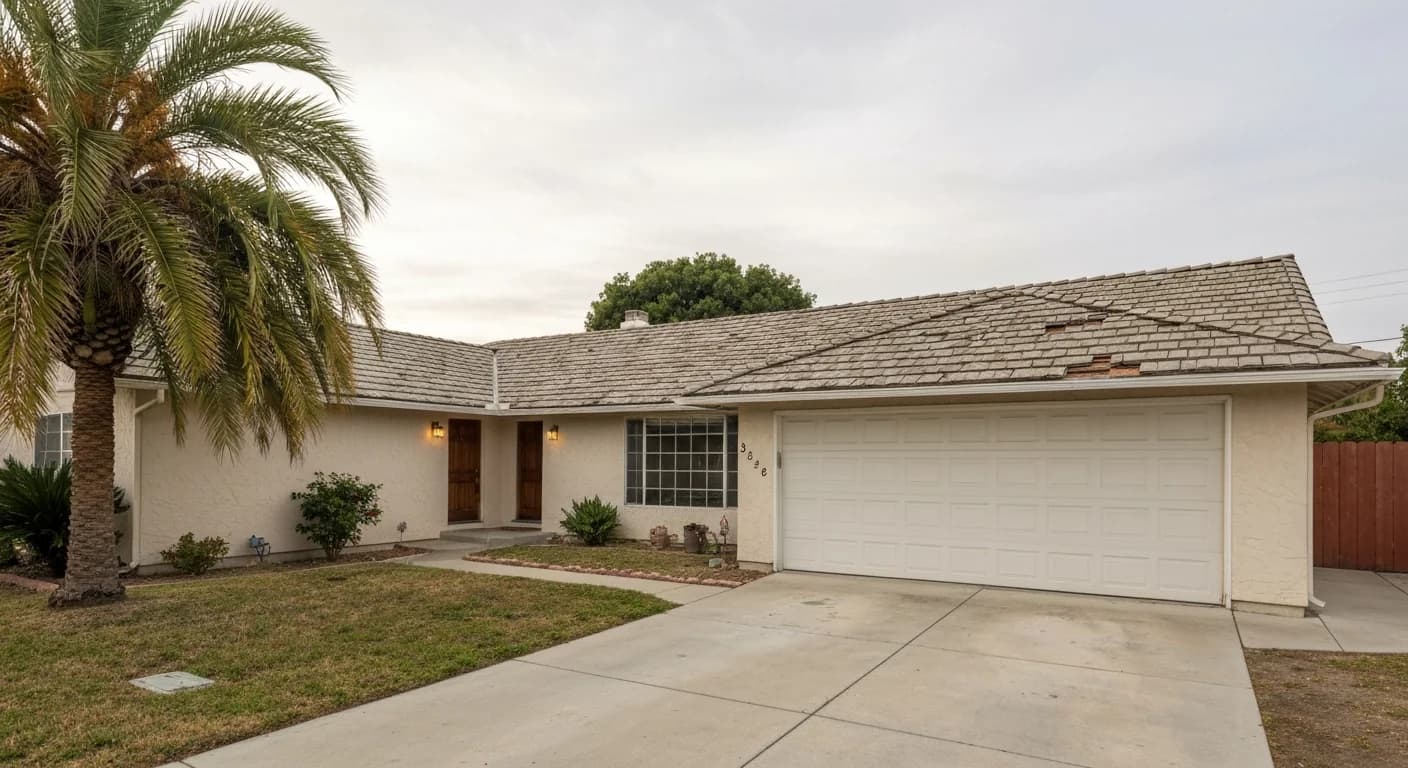
It matters in San Diego specifically because our roofs take a beating that shortens their usable life in ways that are not always visible from the ground. Intense year-round UV bakes asphalt shingles and accelerates granule loss. The coastal marine layer and salt air corrode fasteners and flashing on homes in Point Loma, Coronado, Del Mar, and Carlsbad. Winter atmospheric-river storms drive water at flashing details and valleys. A roof that looks fine can have only a handful of years left — and once panels are on it, the cheapest fix becomes the most expensive one. The point of assessing the roof first is to never put a 25-year array on a 7-year roof.
Roof Age, Condition, and Which Roofs Suit Solar
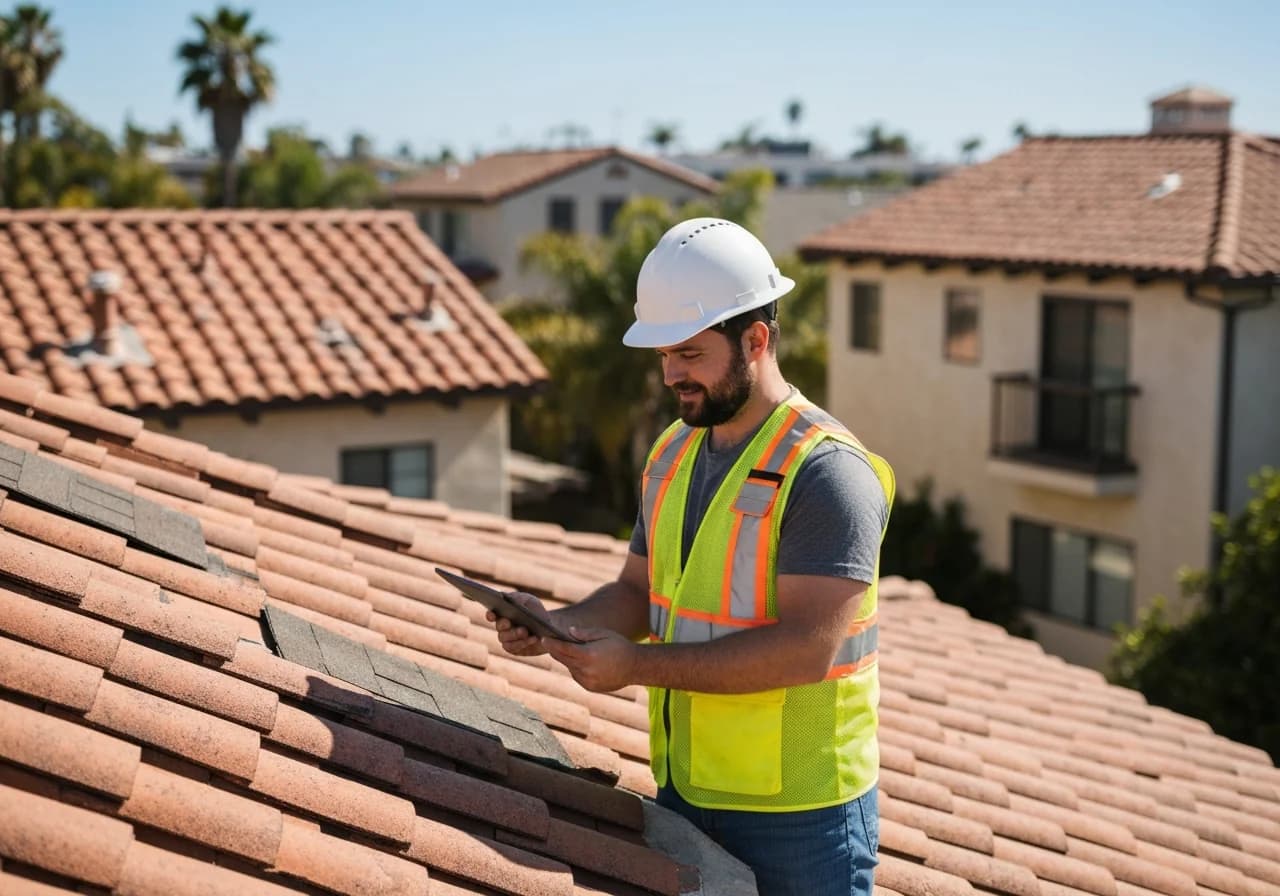
The single most useful number before going solar is your roof's remaining service life, not its total age. A professional inspection looks at granule loss, the condition of valleys and flashing, the state of penetrations and vent boots, decking moisture, and any prior repairs. As a rule of thumb, if an inspection shows fewer than about 10 years of life left, you replace before solar; if the roof is newer and sound, you may be able to mount the array directly. Here is how the common San Diego roof types factor in:
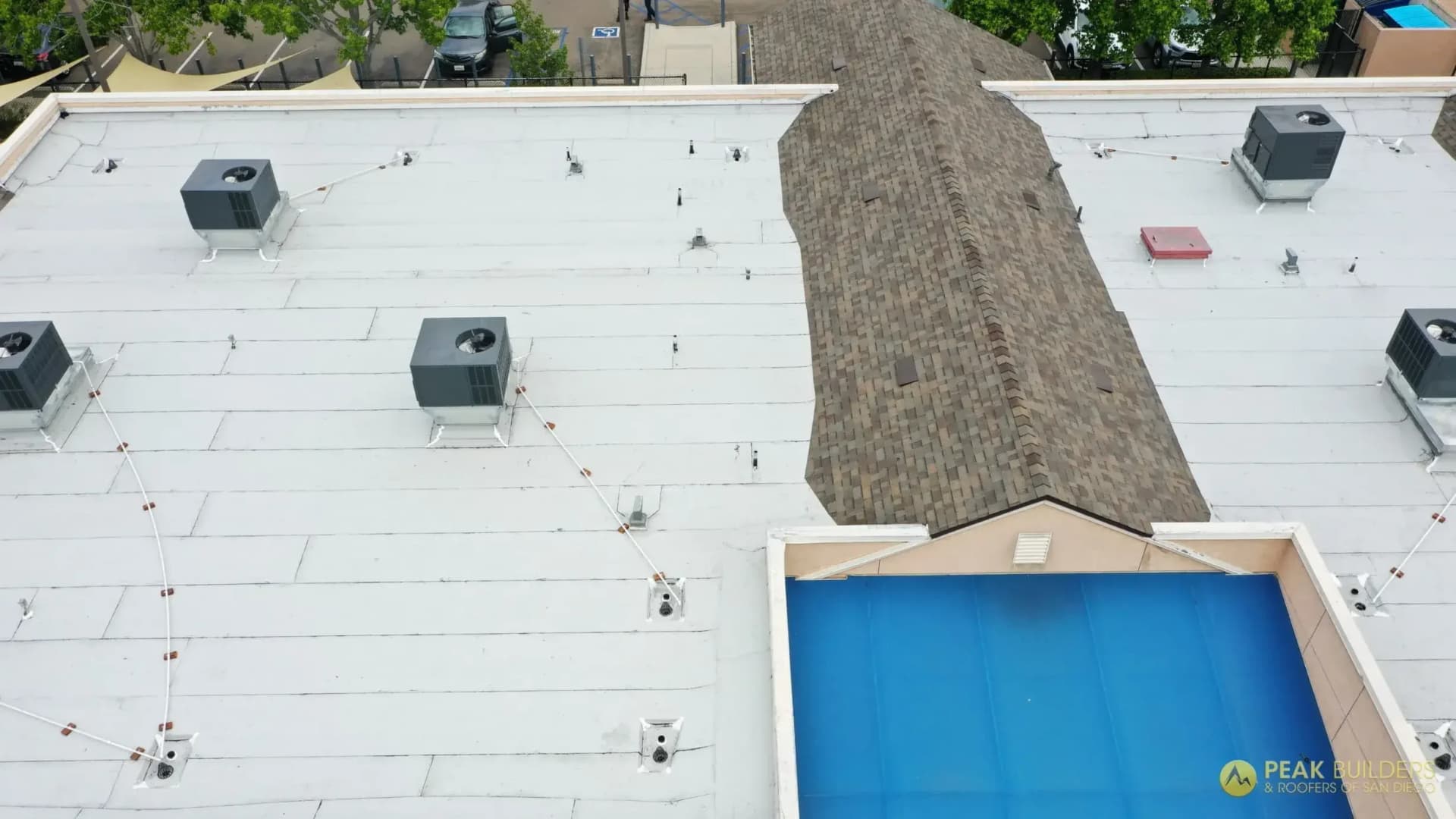
- Asphalt architectural shingles — the most common solar substrate here. A new GAF Timberline HDZ, Owens Corning Duration, or CertainTeed Landmark roof carries an array comfortably and lasts roughly 25 to 30 years, aligning almost perfectly with panel life. Racking attaches with lag bolts into the rafters and flashed mounts seal the penetrations.
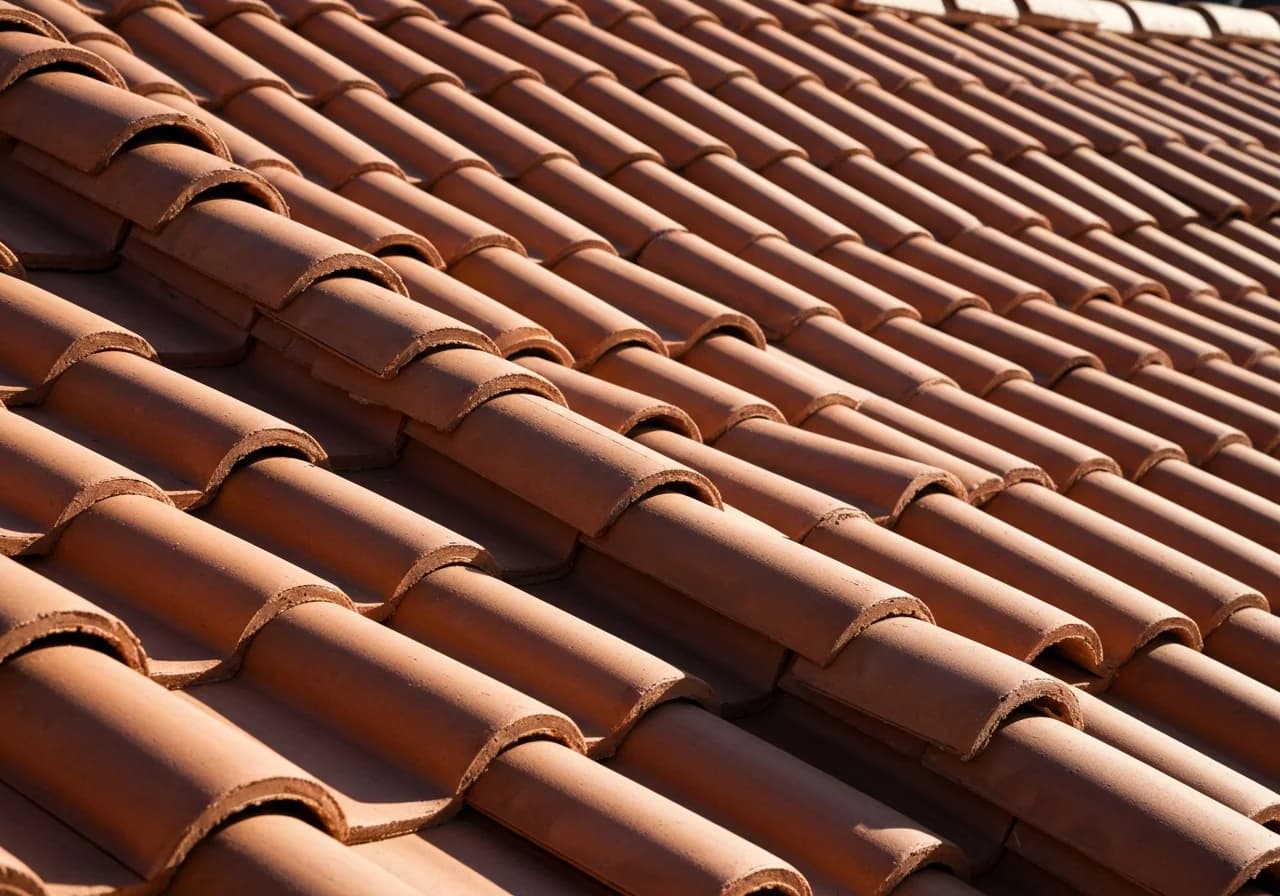
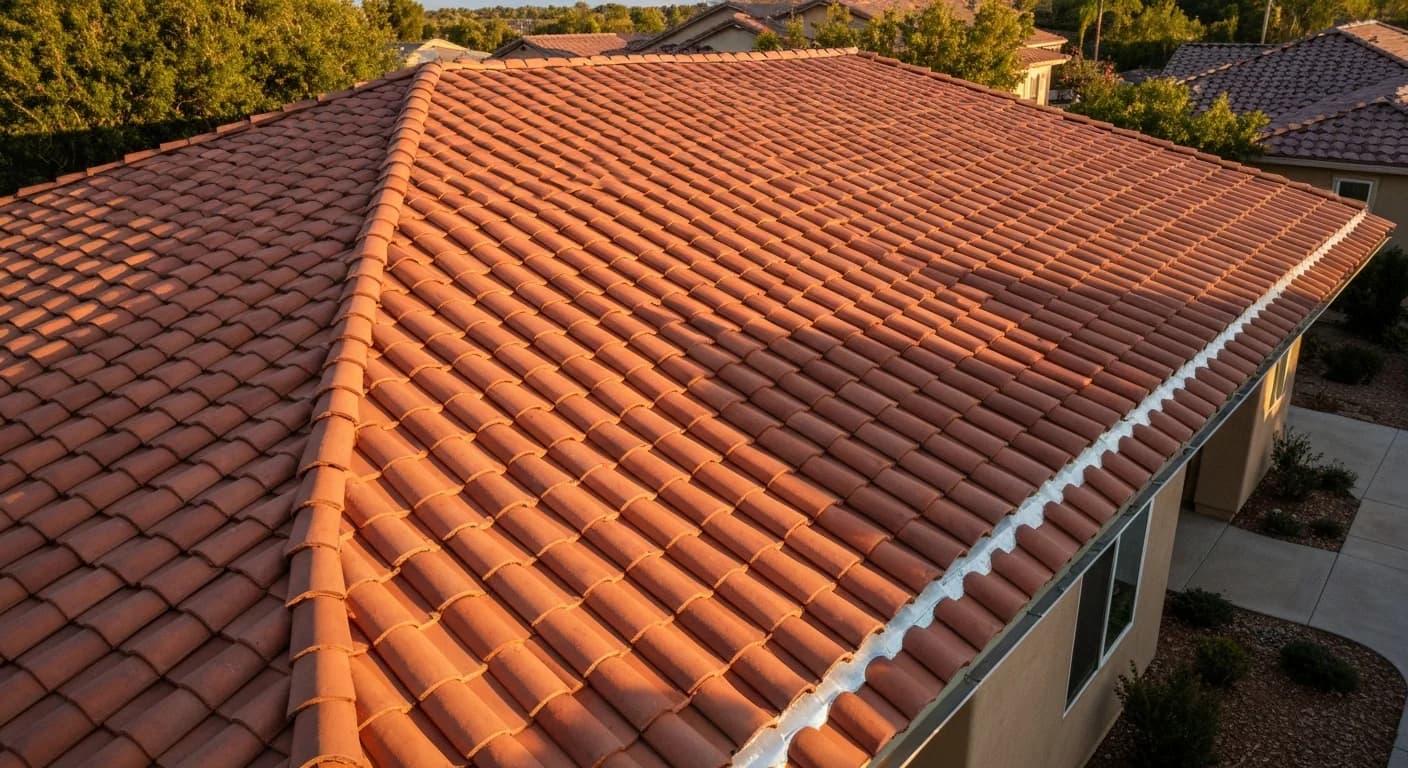
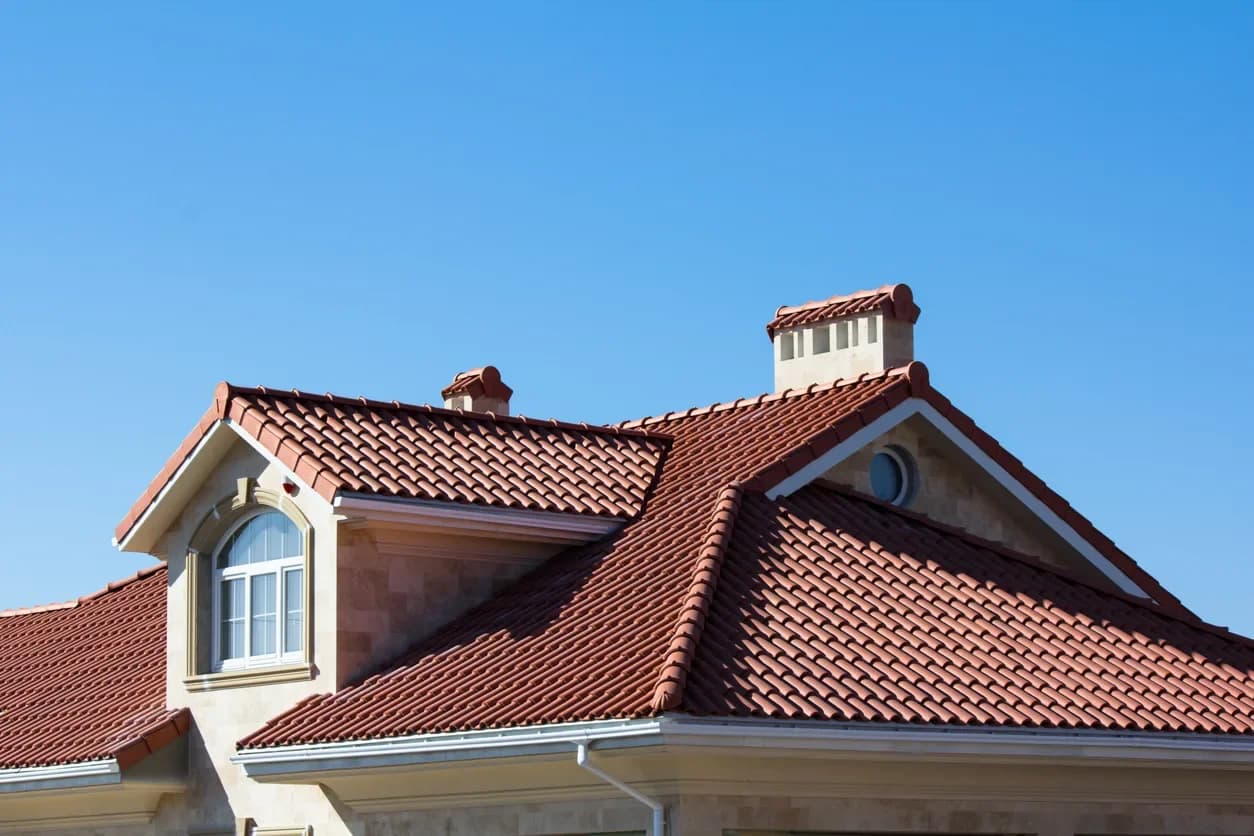
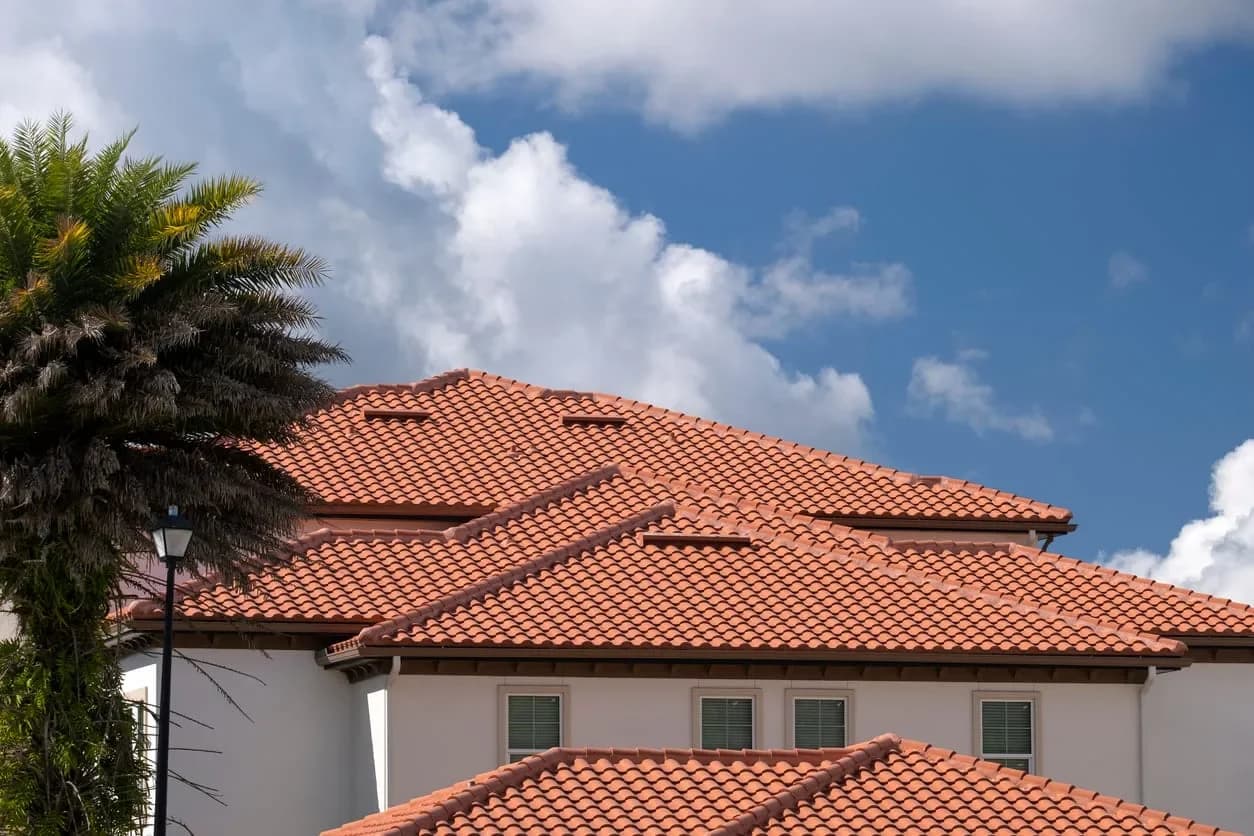
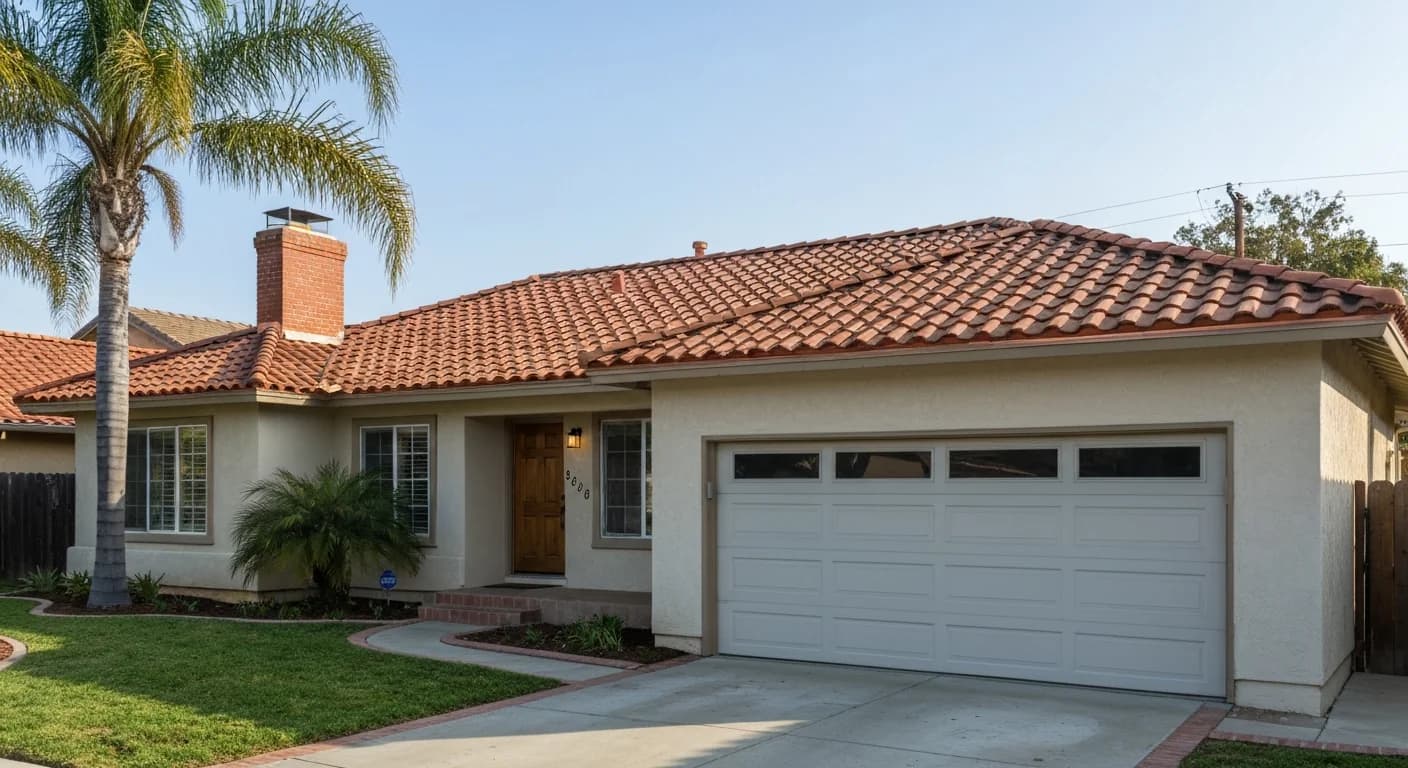
- Concrete and clay tile — extremely common in San Diego and very long-lived (50-plus years), but solar mounting requires tile-specific flashed hooks and the careful removal and replacement of tiles around each attachment. Cracked tiles during a future solar job are a real cost, so a tile roof should be in good repair and have its underlayment life checked before panels go on.
- Standing-seam metal — the best solar substrate of all, because panels can be clamped to the seams with no roof penetrations at all, and the roof itself outlasts the array (40-plus years). If you are re-roofing before solar and want the lowest-maintenance long-term pairing, metal roofing is worth a serious look.
A roof that is steep, badly shaded, structurally questionable, or already failing is not a good solar candidate until the roofing is addressed first — which is the whole reason to inspect before you commit.
Removing and Reinstalling Panels on a Roof That Already Has Solar
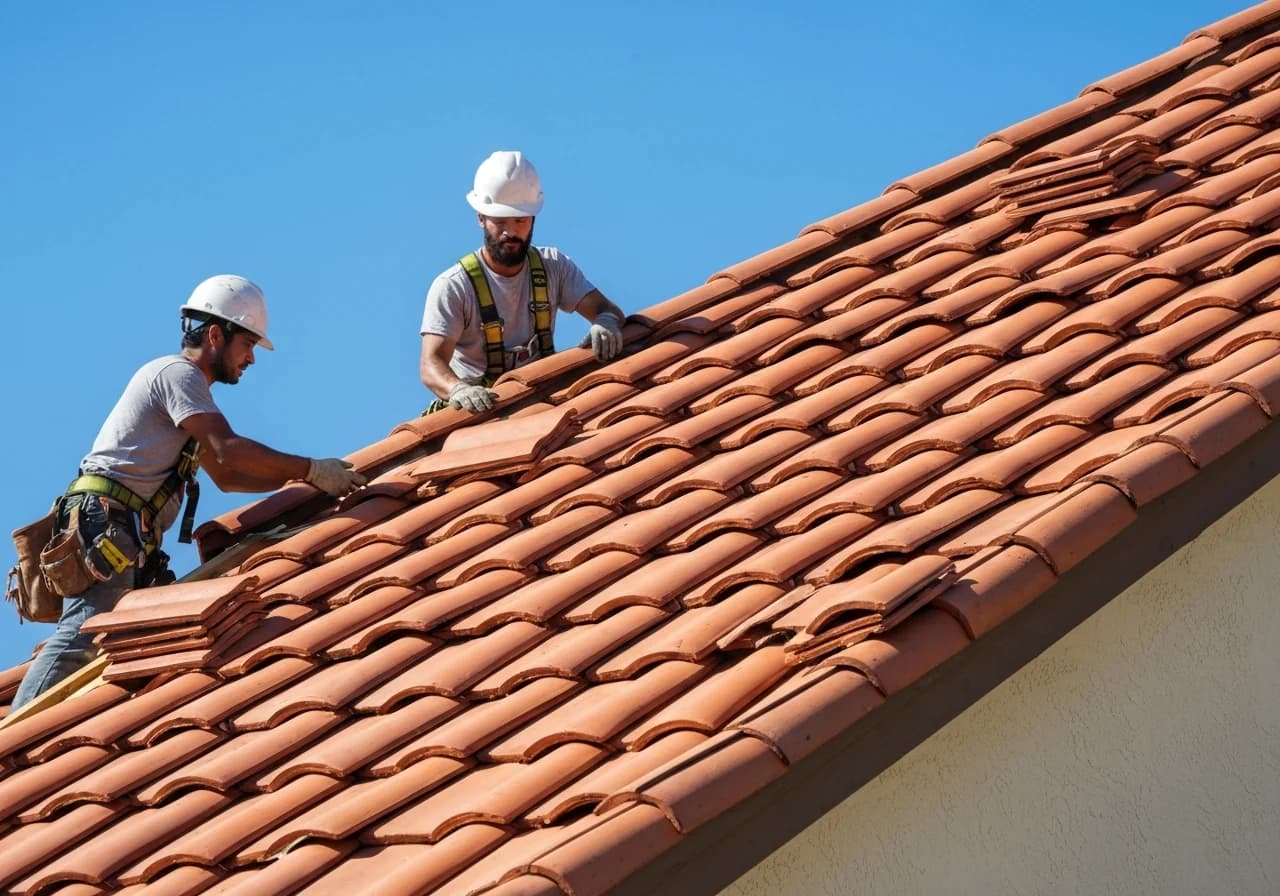
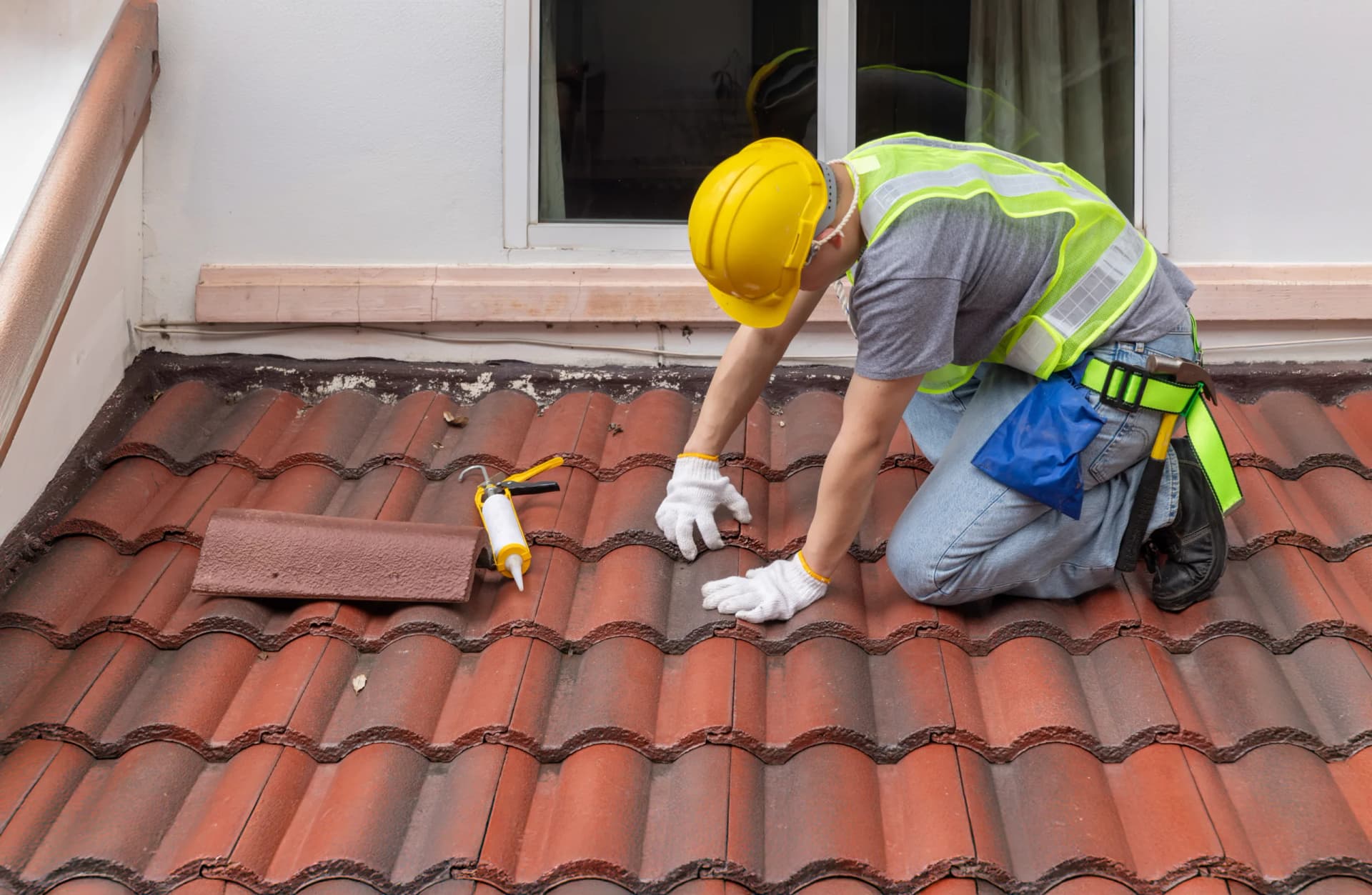
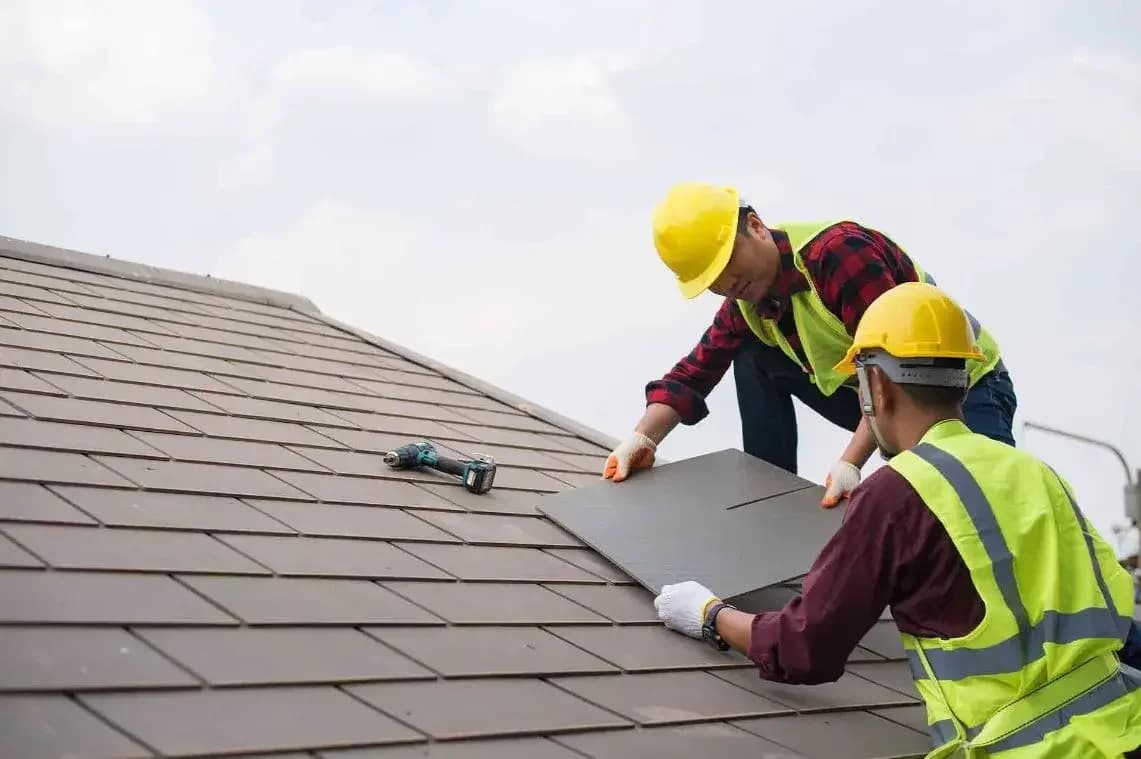
Plenty of San Diego homeowners call us with the harder version of this problem: the panels are already up, and now the roof under them is leaking or failing. This is the scenario the "re-roof first" advice is meant to prevent, but it is fixable. The work requires a detach-and-reset (sometimes called R&R — remove and reinstall) coordinated between the roofer and the solar provider. The panels, racking, and conduit are disconnected and removed, the old roof comes off and the new roof goes on with all-new flashing at every future mount location, and then the solar installer re-racks and re-energizes the system. It is more labor than a clean re-roof and it is exactly the avoidable expense we steer homeowners around — which is why, if your roof is anywhere near the end of its life, doing the roof before solar is almost always the cheaper path. If your roof is already failing under panels, a full roof replacement done in coordination with your solar company is the durable fix.
How a Re-Roof Before Solar Actually Goes
When Peak handles the roofing side ahead of a solar install, the process is built so the handoff to your solar installer is clean:
- Free inspection and remaining-life assessment. We document the roof's true condition and tell you honestly whether you need to replace now or can wait — including a moisture and decking check, not just a surface look.
- Roof system selection. We match the new roof to your solar plans: a Class A architectural shingle, concrete/clay tile, or standing-seam metal, all CRRC-listed where code requires it.
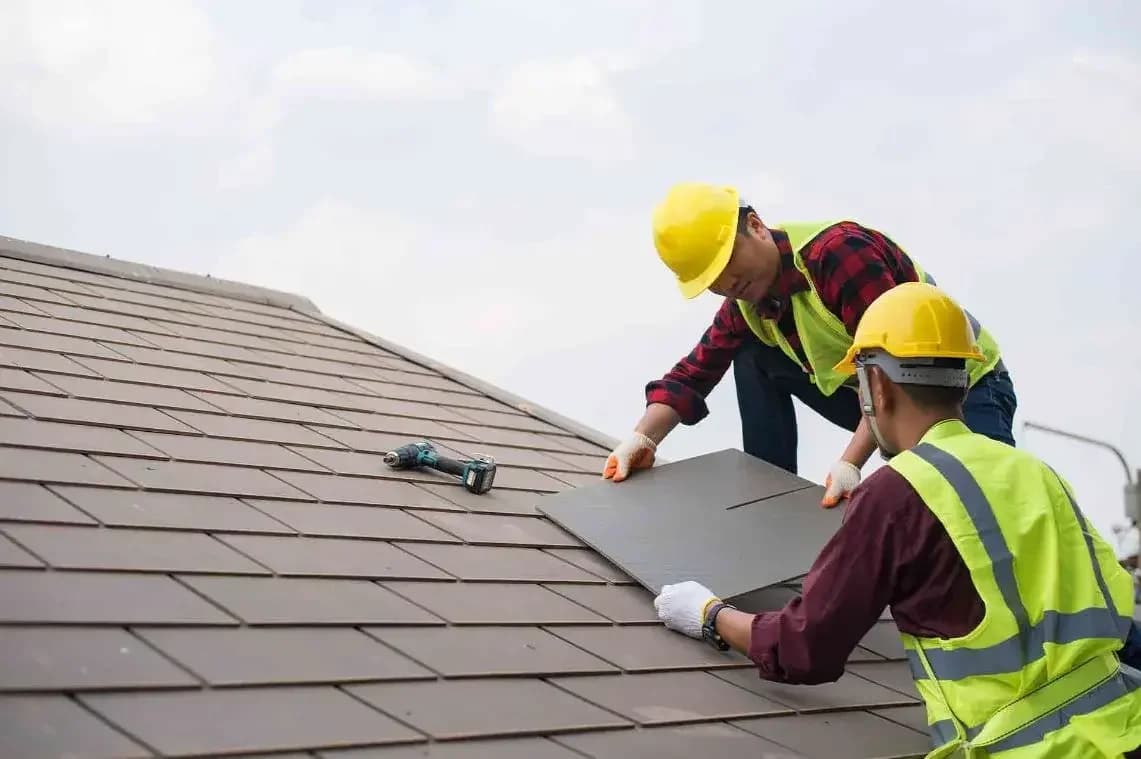
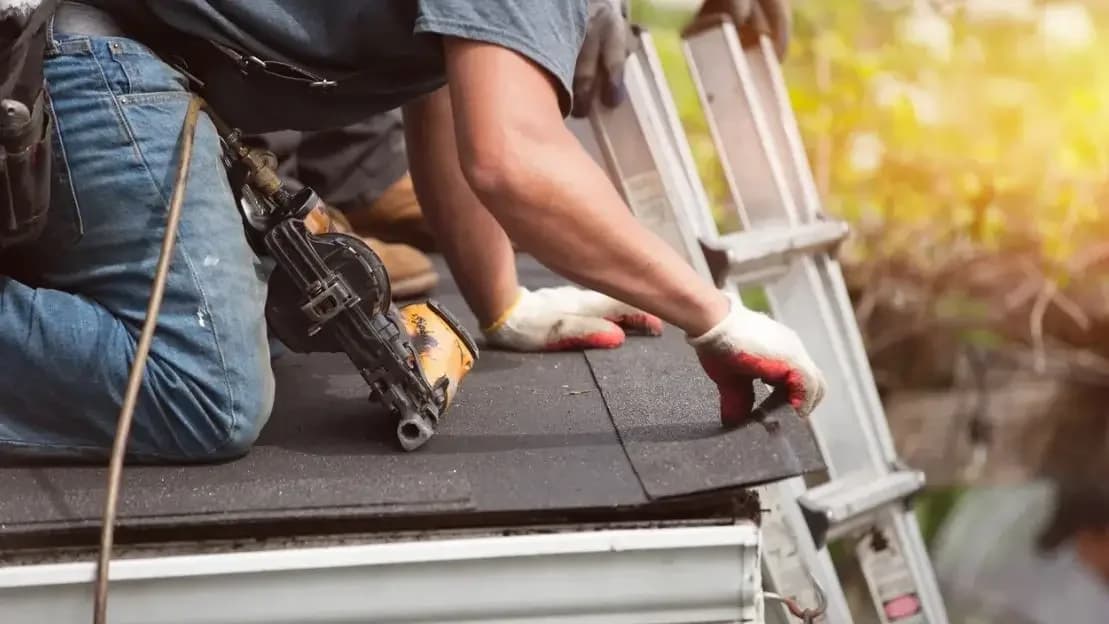
- Full re-roof with array-ready details. Tear-off to the deck, new underlayment, upgraded flashing, and proper attic ventilation so the assembly runs cool under panels.
- Coordination with your solar installer. We align timing and flashing details so racking lands on a fresh, watertight roof, and we communicate directly with your solar company so neither trade is guessing.
- Workmanship-backed handoff. You go to solar on a roof rated for the next 25-plus years, with the manufacturer and workmanship warranties intact.
We do the roofing; your solar provider does the panels. Kept in that order, the two systems age together and nobody pays twice.
San Diego Climate, Code, and Neighborhoods
Going solar in San Diego means re-roofing into California's tightening energy and fire code, and the timing right now is significant. Under the 2025 Building Energy Efficiency Standards (Title 24, Part 6), effective January 1, 2026, the prescriptive cool-roof requirement has been extended to steep-slope residential re-roofs for the first time — and San Diego County sits in Climate Zone 7, where these rules apply. A full or significant re-roof now generally triggers a minimum cool-roof performance threshold (steep-slope residential in Zone 7 targets a Solar Reflectance Index around 16), and the product must be CRRC-listed (Cool Roof Rating Council) to verify its solar-reflectance and thermal-emittance ratings. A like-for-like patch of a few shingles does not trigger it; a real re-roof — exactly what you do before solar — does. Practically, a cooler roof under your panels also helps, since photovoltaic output drops as panel temperature rises.
Fire code matters just as much. Much of inland and canyon-edge San Diego — Scripps Ranch, Poway, Rancho Santa Fe, Santee, El Cajon, Escondido — falls within Wildland-Urban Interface and Fire Hazard Severity Zones on the City's FHSZ map. Those areas require Class A roof assemblies (tested to ASTM E108 / UL 790) and ember-resistant vents (ASTM E2886 / California State Fire Marshal listed) to resist Santa Ana-driven embers. Tile, standing-seam metal, and Class A asphalt shingles all qualify. And under California's 50%-in-12-months rule, replacing half or more of a roof within a year triggers full current-code compliance — another reason a re-roof before solar should be done right the first time.
Coastal homes from La Jolla to Oceanside to Encinitas have their own concern: salt-air corrosion. We specify stainless or aluminum flashing and corrosion-resistant fasteners so the metal under your array survives the marine environment as long as the array itself.
Why San Diego Homeowners Trust Peak for the Roofing Side
Peak Builders & Roofers of San Diego has been roofing this county since 1999 and has completed more than 5,000 San Diego roofs, which means we have seen every roof-and-solar scenario the local climate produces. We are a licensed California contractor, CSLB #1008986, hold an A+ rating with the BBB, and carry the top manufacturer credentials in the trade: GAF Master Elite (a certification held by a small fraction of U.S. roofers) and Owens Corning Platinum Preferred. Those credentials unlock the strongest workmanship and material warranties available — the kind you want backing a roof that has to carry a 25-year array. Our work is rated 4.9 stars across 230+ reviews from homeowners across La Jolla, Carlsbad, Encinitas, Del Mar, Coronado, Chula Vista, Poway, Point Loma, Scripps Ranch, and beyond.
Just as important: we tell you the truth about your roof. If your roof has years of life left and does not need replacing before solar, we will say so. If it does, we will show you exactly why — so you never pay to remove and reinstall a brand-new array.
Get Your Roof Inspected Before You Go Solar
The cheapest mistake to avoid is the one that happens before the panels go up. Before you sign a solar contract, get an honest read on your roof's remaining life from a roofer who does not sell panels and has no incentive to push you either way. If the roof is sound, you go solar with confidence; if it is not, you re-roof once and the array goes on a surface built to outlast it. Either way you stop guessing.
Call Peak Builders & Roofers of San Diego at (619) 330-8185 for a free roof inspection and remaining-life assessment, or contact us here. Want to understand your full roofing options first? Start with our main roofing services overview. We will handle the roof; you and your solar installer handle the panels — and we will make sure the two fit together for the next 25 years.