
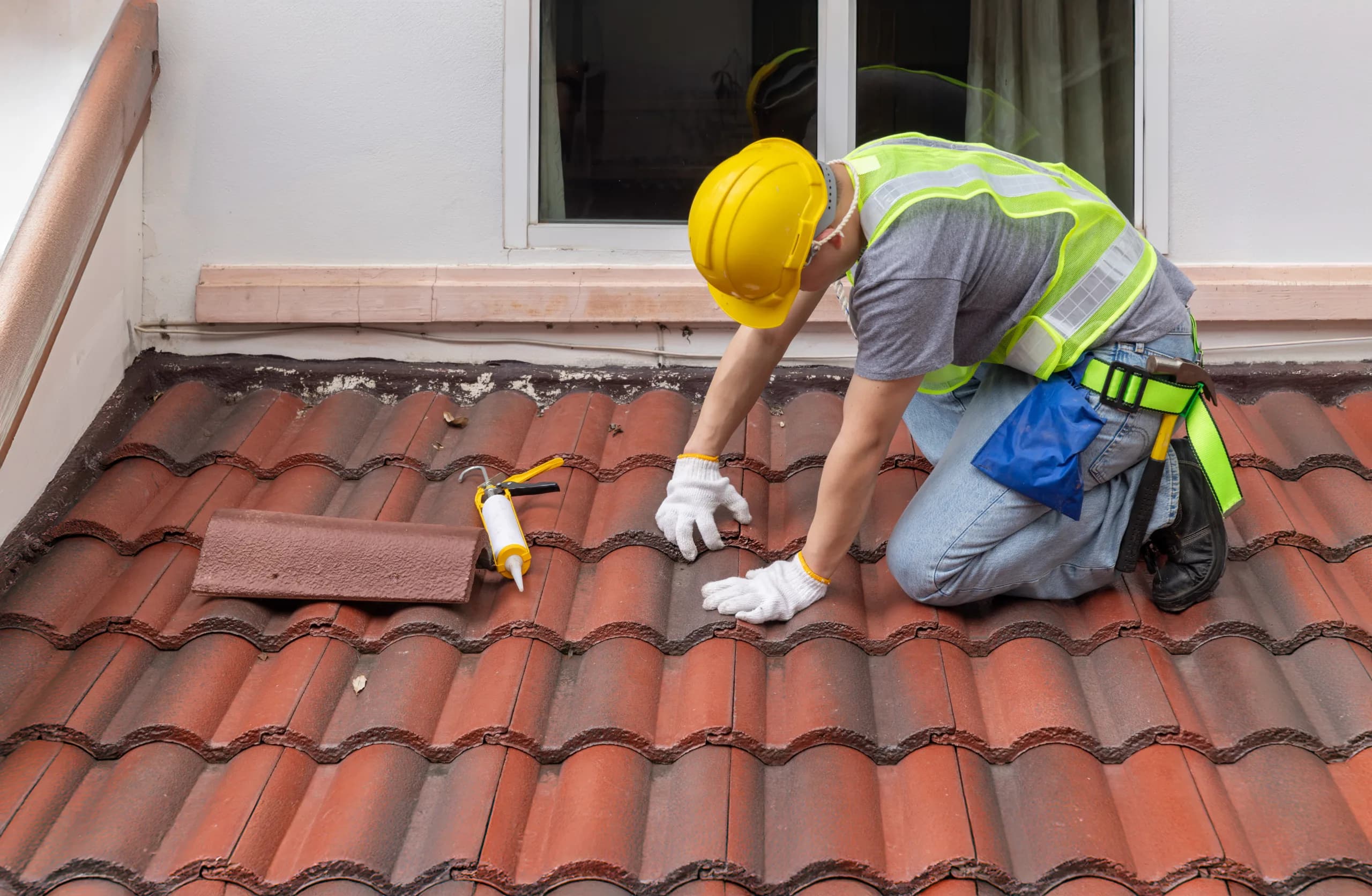
San Diego Roofing & Construction Services
One contractor for every project on your list. Peak Builders serves San Diego County with a 4.9-star reputation across 230+ verified reviews.
Whether you're replacing a roof, finishing a basement, or building a full addition, Peak Builders of San Diego brings the same in-house crews, dedicated project managers, and 5-year workmanship warranty to every job. Below is the full directory of services we offer in San Diego County. Click any service for full pricing, scope, and project examples.
We're licensed, insured, and bonded in CA. Free estimates are available within 48 hours, and most projects can be scheduled the same week. If you're not sure which service fits your project, give us a call at +1-619-330-8185 and we'll point you in the right direction — no obligation.
All Services
Every service we offer in San Diego County.
Roofing
Complete roofing services — replacement, repair, inspection, and storm restoration from licensed San Diego roofers.
Learn moreRoof Replacement
Full tear-off and replacement with premium asphalt, tile, or metal systems and a 50-year manufacturer warranty.
Learn moreRoof Repair
Same-week leak repairs, flashing replacement, and emergency tarping after storm or impact damage.
Learn moreMetal Roofing
Standing-seam and stone-coated steel roofing built to last 50+ years in coastal climates.
Learn moreTile Roofing
Clay and concrete tile roofs — the Mediterranean classic of Southern California, installed to spec.
Learn moreFlat Roofing
TPO, modified bitumen, and built-up roofing for low-slope homes and commercial buildings.
Learn moreRoof Inspection
Honest, photo-documented roof inspections for resale, insurance claims, or peace of mind.
Learn moreStorm Damage
Insurance-claim navigation, emergency tarping, and full restoration after wind or hail events.
Learn moreSkylight Installation
VELUX-certified skylight installation with leak-proof flashing and energy-rated glass.
Learn moreCommercial Roofing
Learn moreAsphalt Shingle Roofing
Learn moreFire-Resistant Roofing
Learn moreCool Roof (Title 24)
Learn moreRoofing & Solar
Learn moreADU
Detached and attached ADUs — full design, permitting, and build for rental income or multi-generational living.
Learn moreAreas
See every city we serve across the region.
Learn moreFinancing
Flexible Synchrony financing with low rates and fast approvals.
Learn moreAbout Us
Learn moreFAQ
Learn moreReviews
Read verified Google, Yelp, and BBB reviews from past customers.
Learn moreProjects
Browse before-and-after galleries of recent local projects.
Learn moreOur Team
Learn moreVisualizer
Upload a photo and visualize your finished space with our AI design tool.
Learn moreBlog
Guides, project breakdowns, and industry insight from our team.
Learn moreKitchen Remodeling
Design-build kitchen renovations — from refresh to gut remodel — with in-house designers and project management.
Learn moreBathroom Remodeling
Master baths, guest baths, and accessibility remodels with custom tile, vanities, and walk-in showers.
Learn more
Not Sure Which Service You Need?
Tell us about the project and we'll recommend the right scope. Free, no-pressure consultation — same-week appointments available.