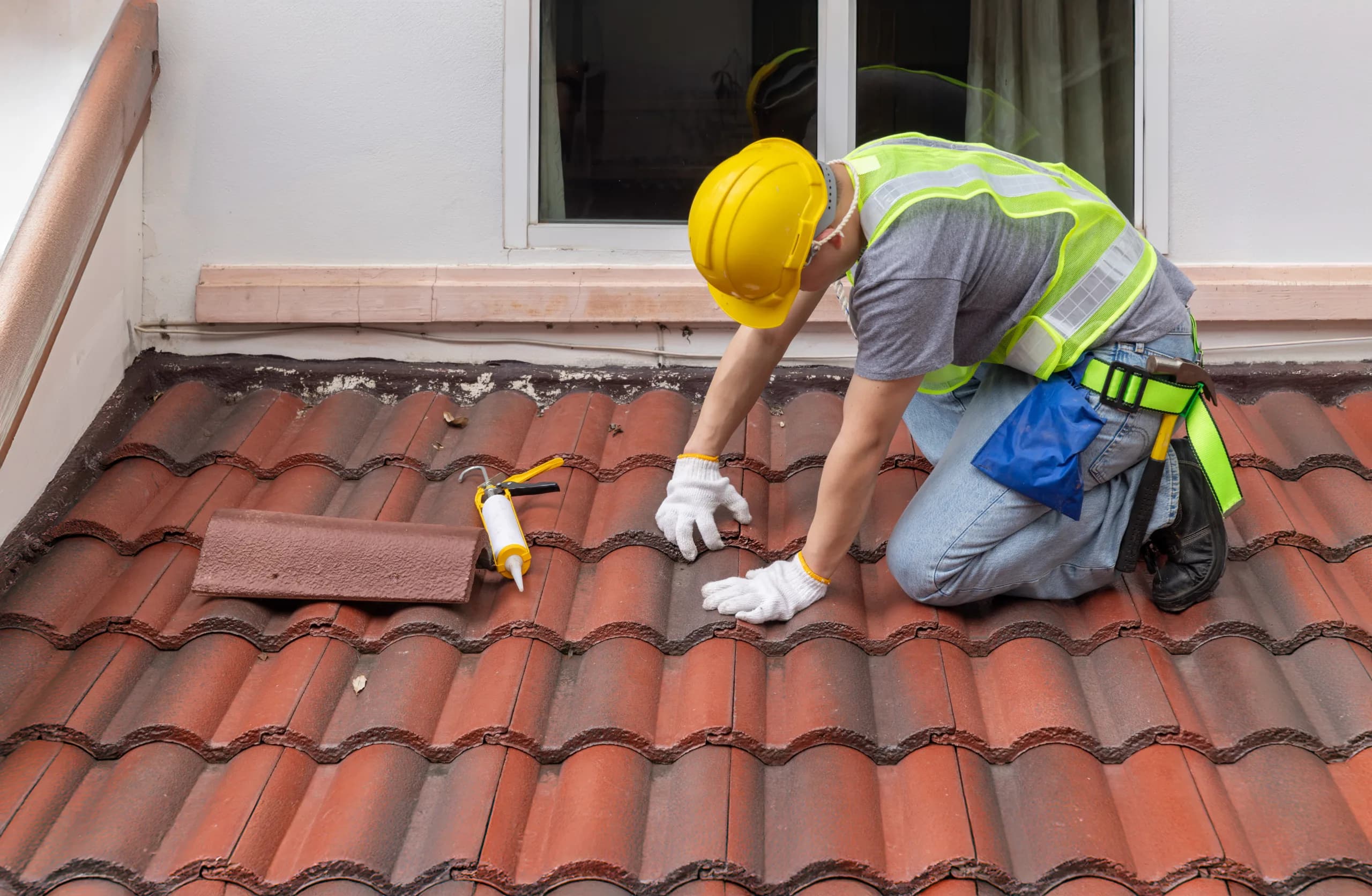

San Diego Roof Replacement: What to Expect in 2026
A roof replacement in San Diego in 2026 is less about picking a material than matching your roof to this county's specific punishment: year-round UV, coastal salt air, marine-layer damp, Santa Ana ember events, and a brand-new energy code that took effect January 1. Done right, a new roof here lasts decades; done wrong, it leaks in a few years even when it looks perfect from the street. Here's what to expect — the process, the materials, the local code, and how to judge good work — before a roofer walks your property.
What actually drives the decision in San Diego
After installing more than 5,000 roofs across the county since 1999, the pattern is consistent: the right roof is determined by where you sit on the map. A flat-roof bungalow in North Park, a 1990s tile home in Poway, a coastal custom build in La Jolla, and a back-country fire-zone property each need a fundamentally different assembly — square footage and pitch set the scope, but climate exposure, fire-zone rules, and the 2026 cool-roof code decide what you're allowed to install and what will survive. That's why a real roof replacement starts with a proper roof inspection, not a phone estimate: the condition of your underlayment, sheathing, flashing, and ventilation tells the whole story, and none of it is visible from the curb.
Why tile roofs leak while the tiles look flawless
San Diego's Spanish and Mediterranean housing stock is dominated by tile, which creates the single most misunderstood roofing decision in our market. Here's the truth almost no homeowner is told until it's too late: the tile is not what fails — the underlayment underneath it is. Concrete and clay tiles routinely last 50 years or more, but the felt or synthetic membrane beneath them, the layer actually keeping water out, dries out and cracks at roughly 20 to 25 years. That's why we walk onto 1990s tile roofs in Point Loma and Poway where the tile looks immaculate from the street, yet the ceiling inside has water stains. The roof "looks fine" because the part you can see is fine.
That single fact unlocks the smartest move in the county: the lift-and-relay. Rather than buying all-new tile, the crew removes and stacks your existing tile, replaces the failed underlayment and flashings, then reinstalls the original tile. If your field tile is 90% or more intact and your underlayment is past 20 years, this is usually the right call — you keep the architectural look, get a brand-new waterproof layer, and extend the roof another two-plus decades. It's covered on our tile roofing page. The one catch: it only works if the field tile is genuinely sound, which is exactly what an inspection confirms.
Materials, and what each is really for
Architectural asphalt shingle is the workhorse for inland tract homes in Santee, El Cajon, Escondido, and Chula Vista. Dimensional shingles like GAF Timberline HDZ, Owens Corning Duration, or CertainTeed Landmark — never 3-tab — carry an 18 to 25 year life under San Diego's relentless UV, and cool-rated lines stretch that toward 25 to 30 years while satisfying the 2026 code.
Concrete and clay tile carry the architectural look that defines La Jolla, Del Mar, Coronado, and Rancho Santa Fe. With a 50-plus year tile life, the real decision is almost always lift-and-relay versus full replacement — and the age of the underlayment, not the appearance of the tile, drives that choice.
Standing-seam metal has surged on modern Carmel Valley and coastal custom builds, with a 40 to 60 year service life and excellent ember resistance for fire zones. One coastal caveat genuinely matters: within a few miles of the water, the panels and especially the fasteners and flashing must be aluminum or stainless, never galvanized steel, or they corrode from the inside out. Our metal roofing page covers where it fits.
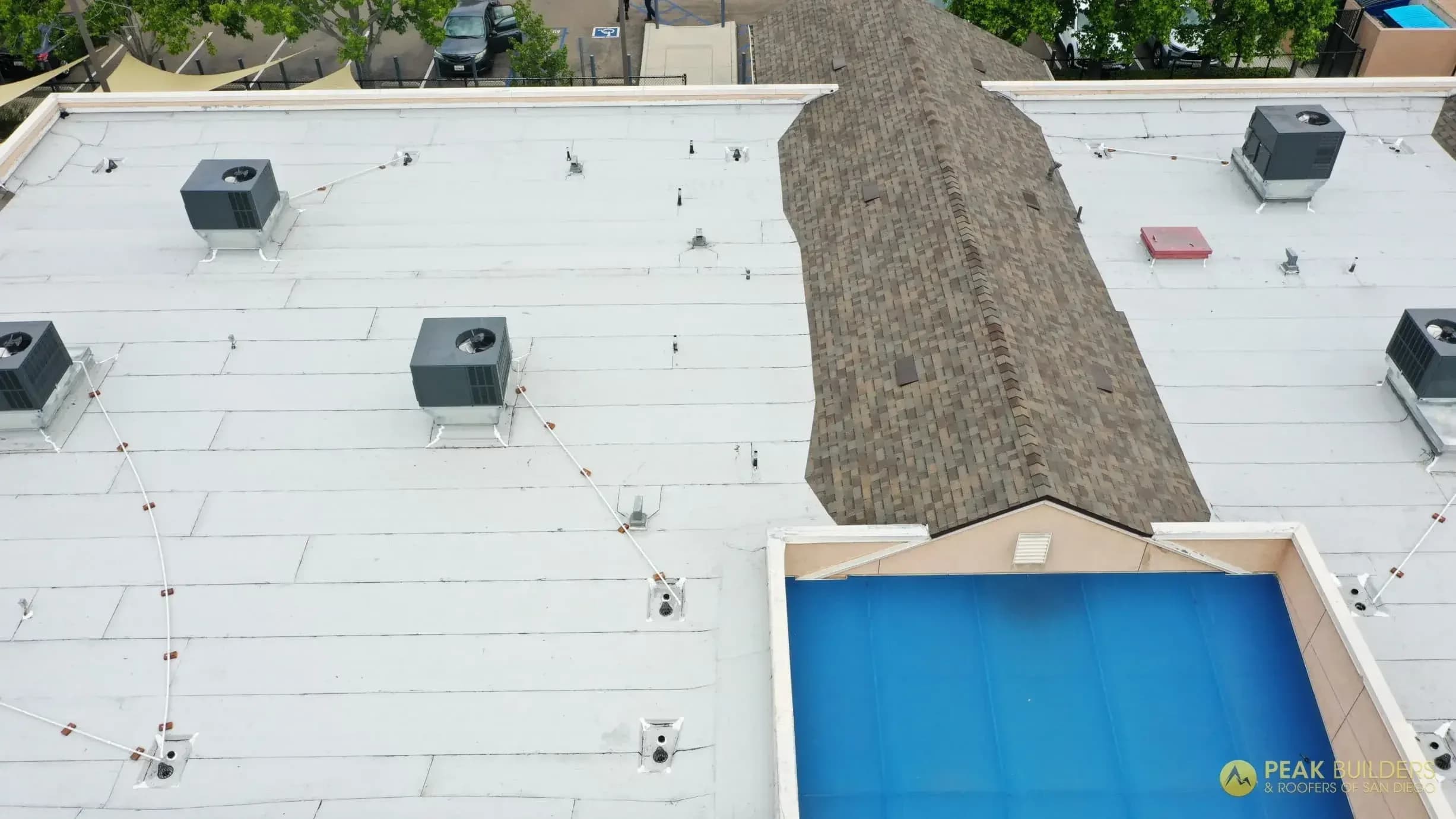
Flat and low-slope systems — TPO, EPDM, and modified bitumen — cover mid-century flat-roof homes and bungalow additions in South Park and University Heights, and they're the backbone of commercial roofing here too. White TPO is inherently reflective, an easy Title 24 win. Our flat roofing page breaks down the membranes and their typical 20 to 30 year lifespans.
The San Diego conditions your roof has to survive
Two identical-sized homes can need very different roofs because of where they sit. These are the local exposures that shape a sound 2026 assembly:
Intense, year-round UV. Near-daily sun bakes the oils out of asphalt and degrades exposed membrane, so a roof rated for 30 years elsewhere can run shorter here without UV-stable, cool-rated materials.
Coastal salt-air corrosion. This is the factor out-of-town bidders miss entirely. Within about four miles of the coast — think La Jolla, Pacific Beach, Coronado, Encinitas — galvanized flashing and carbon-steel nails rust through in seven to ten years. On a coastal tile roof, corroded nail heads let tiles migrate right when you'd most want the roof holding. We spec stainless or aluminum flashing and fasteners on every coastal job, full stop.
Marine-layer mold on north slopes. North-facing slopes that stay damp under the morning marine layer grow moss and algae and hold moisture against the underlayment, shortening its life. Algae-resistant shingles and proper attic ventilation matter far more here than most homeowners expect — they decide whether a roof reaches its rated life or fails early.
Fire-zone assemblies (WUI / Very High Fire Hazard Severity Zones). Much of the unincorporated county, Scripps Ranch, eastern Poway, and the back-country require a Class A fire-rated assembly — not just a Class A shingle. That means ember-resistant vents, bird stops at the tile, and sometimes tempered skylights, all aimed at the Santa Ana wind and ember events that drive our fire season. This is a code and safety requirement, not an upgrade.
Atmospheric-river winter storms. Our wet season now arrives in concentrated atmospheric-river bursts that test flashing, valleys, and drainage all at once; a roof that sheds a drizzle can still fail under a firehose if the details were rushed. After a hard winter, storm damage restoration can reshape the whole replace-versus-repair picture.
Title 24 cool-roof: what's new for 2026
This is the change catching San Diego homeowners off guard this year. California's 2025 Title 24 energy standards took effect January 1, 2026, and for the first time they extend cool-roof requirements to steep-slope residential re-roofs in Climate Zone 7 (coastal San Diego) and Zone 10 inland. Your new roof now has to meet a minimum solar reflectance threshold, which constrains the color and product you're allowed to install: reflective metal and many cool-rated asphalt and tile lines qualify, while a dark, non-rated shingle may not. A compliant roof also runs cooler, easing summer attic heat and air-conditioning load. Any honest 2026 proposal names the specific cool-rated product and confirms it complies — if it doesn't, that's a red flag.
Permits and what the replacement looks like
Where your home sits decides how the paperwork flows. City of San Diego re-roof permits are largely same-day online; unincorporated County permits — Ramona, Alpine, Fallbrook, Valley Center — take several business days; and near the water, the Coastal Commission overlay in parts of Del Mar, La Jolla, Solana Beach, and Encinitas adds a review layer and weeks of lead time. A roofer who knows the local jurisdictions builds this into the schedule, and the correct permit protects you, since unpermitted work surfaces at resale.
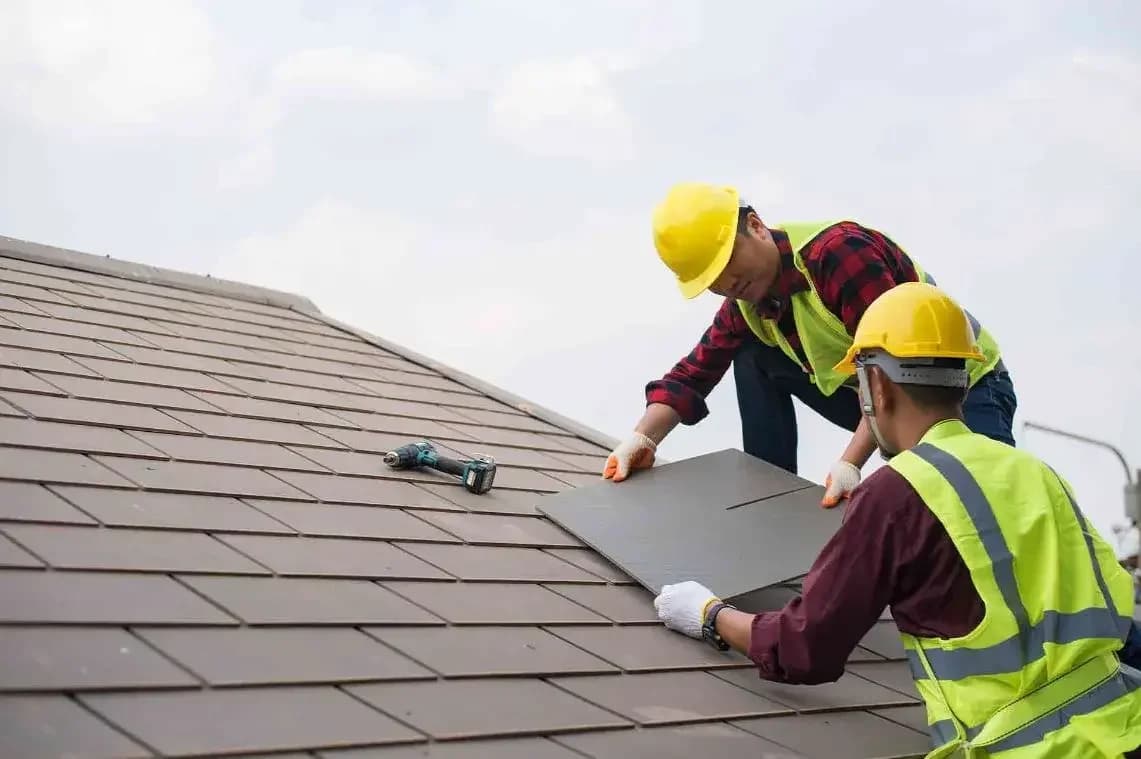
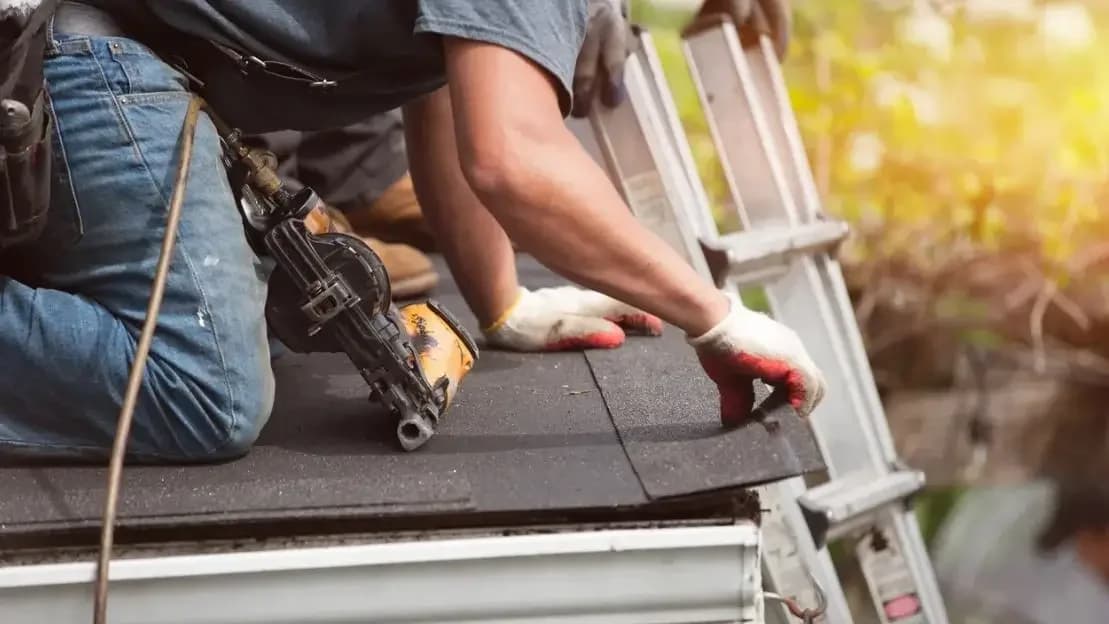
The work itself runs one to three days on a typical home. The sequence: protect the property and landscaping, tear off the old roof down to the deck, then inspect the exposed sheathing — soft, delaminated, or storm-damaged decking gets replaced before anything goes back on. Next comes the underlayment (a 30-year synthetic, not 15-pound felt), then flashing at every penetration, valley, and wall, then the field material, then ridge, vents, and a final magnetic sweep for nails. Re-roofing is also the smartest moment to correct drainage with proper gutter installation, because the fascia and edge metal are already exposed.
How to judge good work and spot the corner-cutting
Two proposals for the same home can describe very different roofs, with corners cut in places you only discover years later. Watch for these substitutions:
- 3-tab shingles instead of architectural — you lose seven to ten years of roof life.
- An overlay instead of a full tear-off — it traps heat, hides rotten decking, voids manufacturer warranties, and violates code in fire zones.
- 15-pound felt instead of a 30-year synthetic underlayment — the layer that actually keeps water out, downgraded.
- Galvanized fasteners on a coastal roof — guaranteed corrosion within a decade.
- No sheathing allowance written in — a setup for a surprise mid-tear-off once the deck is exposed.
A workmanship warranty shorter than 10 years is itself a red flag. A genuine GAF Master Elite or Owens Corning Platinum Preferred installation carries up to a 50-year manufacturer warranty plus a 10-year-plus workmanship guarantee — and only a small fraction of contractors hold the certification to offer it.
Replace or repair? Judge by condition, not the calendar
Lean toward replacement when the roof is past about 80% of its service life — 20-plus years on shingle, or the 20 to 25 year underlayment cycle on tile — when granules are filling your gutters, when decking feels soft underfoot, or when you're chasing multiple leaks in a single season. Lean toward repair when 40% or more of the service life remains and the damage is isolated: a single flashing leak, one storm-struck slope, a handful of slipped tiles. A targeted roof repair often buys several good years when the underlying system is sound. When you're unsure, an inspection settles it — the call rests on age, condition, damage, and safety, nothing else.
Getting a straight answer
A reliable San Diego roofer gives you a free on-site inspection and a written, itemized proposal that names materials by brand, model, color, and quantity and spells out permits, disposal, flashing, and a sheathing reserve. Peak Builders & Roofers of San Diego (CSLB #1008986) has installed 5,000+ roofs across the county since 1999, holds GAF Master Elite and Owens Corning Platinum Preferred certification, carries a BBB A+ rating, and averages 4.9 stars across 230+ reviews. See our full roofing services or meet the San Diego roofers who'll be on your roof.
To find out exactly what your roof needs, call (619) 330-8185 or request a free, no-obligation inspection and quote.
Frequently Asked Questions
Why does my tile roof leak when the tiles still look perfect?
Because the tile isn't what keeps water out — the underlayment beneath it is. Concrete and clay tile last 50-plus years, but the membrane underneath fails at 20 to 25 years. Once it cracks, water gets in even though the tile surface looks pristine. The usual fix is a lift-and-relay: reuse your existing tile, replace the underlayment and flashings underneath.
Does the new 2026 Title 24 code affect my re-roof?
Yes. As of January 1, 2026, California's cool-roof requirements extend to steep-slope residential re-roofs in San Diego's climate zones. Your new roof must meet a minimum solar reflectance, which rules out certain dark, non-rated products. Cool-rated asphalt, tile, and reflective metal options comply — your proposal should name the specific product and confirm it meets the standard.
Why do coastal San Diego roofs need different materials?
Salt air corrodes standard galvanized flashing and steel fasteners within seven to ten years, so coastal homes in La Jolla, Del Mar, Coronado, and Encinitas need stainless or aluminum components throughout. North-facing slopes near the water also see more marine-layer moisture, so algae-resistant materials and strong ventilation matter more there than they do inland.