Shingle Roof Installation in San Diego: A Complete Guide
Asphalt shingle roofing is the workhorse of San Diego's non-tile housing stock, and a correctly installed architectural shingle roof lasts 25 to 30 years in our UV-heavy, salt-tinged coastal climate. The difference between a roof that reaches that lifespan and one that fails early is almost never the brand on the box — it's the layers underneath, the flashing details, and whether the crew installed to San Diego's code and conditions. This guide walks through the material choices, the step-by-step installation, the local climate and code factors, and how to judge good workmanship when it's on your roof.
Shingles aren't the only path. Much of San Diego's Spanish and Mediterranean stock wears clay or concrete tile, and flat sections usually need TPO or modified bitumen. But for pitched roofs on ranch, contemporary, and tract homes, asphalt remains the best balance of durability, repairability, and performance. If you're weighing a full roof replacement, here's what actually matters.
Asphalt Shingle Types: What Belongs on a San Diego Roof
The performance gap between the most basic shingle and a modern architectural line is wider than most homeowners realize, and in our climate the wrong choice shows up as curling, granule loss, and wind blow-offs years ahead of schedule.
3-tab shingles are the flat, uniform, entry-level option. We rarely install them on new San Diego work anymore — they carry a roughly 25-year rating and a much lower wind tolerance, which matters during Santa Ana events when gusts test every shingle's seal.
Architectural (laminated) shingles are the default and the right call for nearly every home here. Their layered construction gives a dimensional, shake-like look plus far better wind resistance. The lines we install most are GAF Timberline HDZ (rated to 130 mph wind, lifetime limited warranty), Owens Corning Duration with its SureNail reinforced fastening strip, and CertainTeed Landmark. As both a GAF Master Elite and an Owens Corning Platinum Preferred contractor, Peak Builders can put either manufacturer's flagship on your roof and back it with enhanced system warranties that standard roofers can't access.
Cool-roof shingles deserve special attention right now. Under California's 2025 Title 24 energy standards — in effect for permits pulled on or after January 1, 2026 — cool-roof requirements have been tightened and extended to more steep-slope residential re-roofs. San Diego sits in Climate Zone 7, and inland jurisdictions such as Escondido, El Cajon, and Santee are where a solar-reflective, cool-rated shingle is now prescriptively required on most re-roofs covering more than half the roof. GAF and Owens Corning both make cool-series shingles in standard colors that meet the aged solar-reflectance and emittance thresholds, so compliance rarely forces an unattractive color. Your jurisdiction confirms the exact requirement at permit, and a contractor who knows the 2025 code will spec the right shingle from the start.
Impact-resistant (Class 4) shingles use polymer-modified asphalt to resist hail and impact. Hail is uncommon at the coast but real in the back-country around Cuyamaca and Pine Valley, and the tougher mat also shrugs off falling debris during atmospheric-river storms.
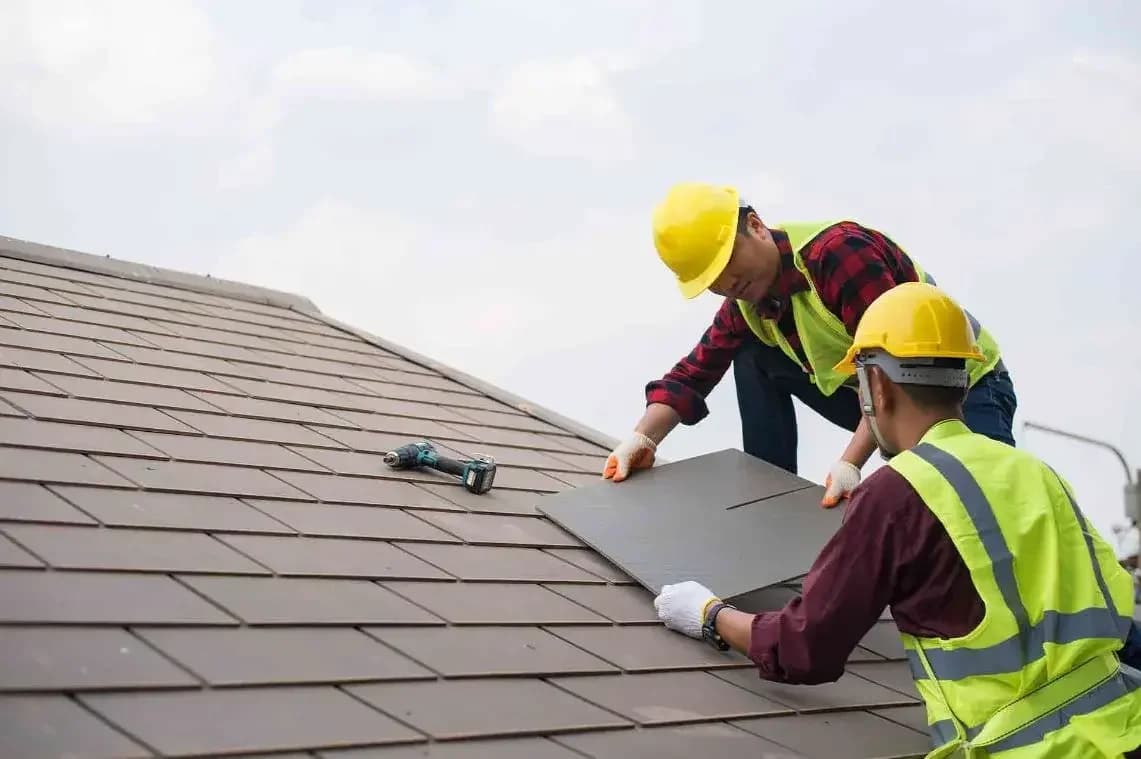
The Installation, Step by Step
A shingle roof is a system, not a stack of shingles. The layers under and around the field are where roofs actually leak, so the sequence below is where quality is won or lost.
- Permit. Re-roofs require a permit from the City of San Diego, the County, or your local jurisdiction; coastal properties near the water may trigger Coastal Commission review. We pull it and schedule the required deck and final inspections.
- Full tear-off. Old roofing comes off down to the deck. Overlaying a second layer is sometimes allowed but traps heat, adds weight, hides rot, and shortens shingle life — we tear off to bare sheathing every time.
- Deck inspection and repair. With the deck exposed, we replace delaminated or rotten plywood. A roof is only as sound as the wood it's nailed to, so any soft sheathing comes out before underlayment goes down.
- Underlayment. A synthetic underlayment covers the whole deck as your secondary water barrier, with self-adhering ice-and-water membrane in valleys and at eaves where wind-driven rain from atmospheric-river storms collects.
- Drip edge and starter. Metal drip edge at eaves and rakes directs water into the gutters; a dedicated starter strip locks down the first course against wind uplift.
- Flashing. Step flashing at walls, valley metal, pipe boots, and chimney counter-flashing. Near the coast — La Jolla, Del Mar, Coronado, Point Loma, Oceanside — we spec stainless steel or aluminum flashing, never galvanized, because salt air corrodes galvanized metal in a fraction of the time. This one detail separates roofs that last from roofs that rust-streak and leak.
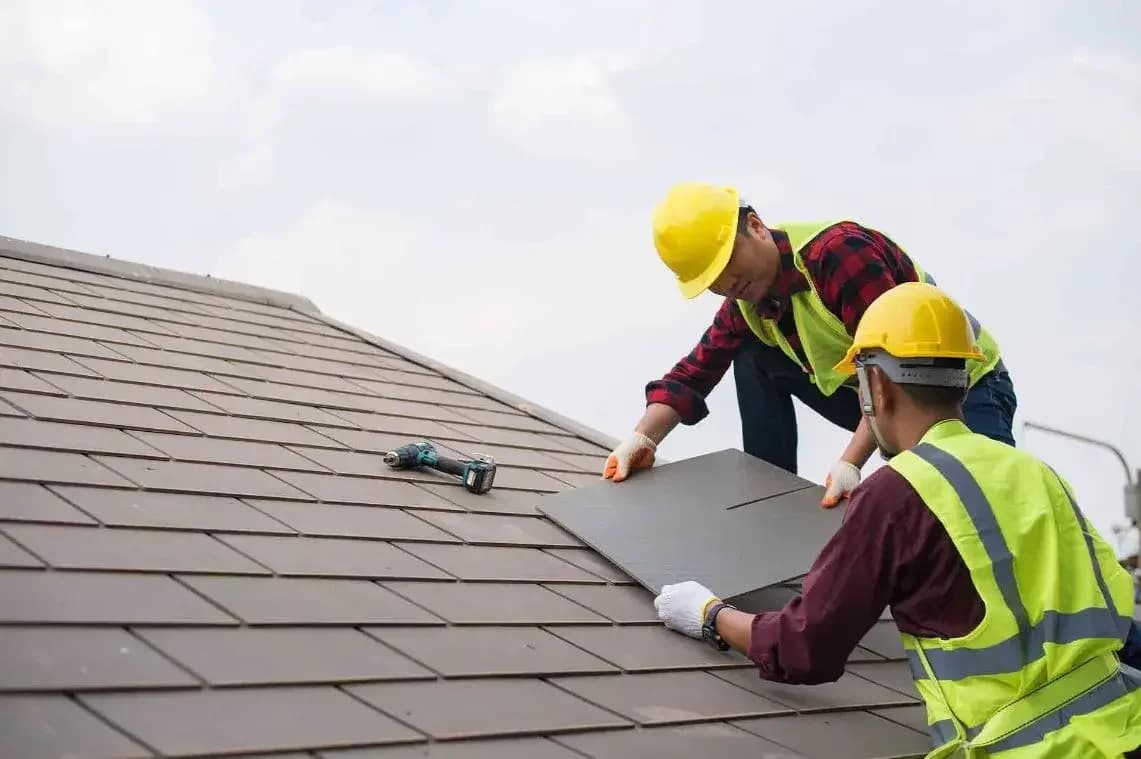
- Field shingles. Installed to the manufacturer's exposure with nails placed in the reinforced nailing zone — four to six nails per shingle for our wind exposure. Nails set too high or too low void the warranty and invite blow-offs.
- Ventilation and ridge cap. Balanced intake (soffit) and exhaust (ridge vent) finish the system, capped by matching ridge shingles.
- Cleanup. Magnetic sweep for nails, tarp removal, gutter clear-out, and a final walk-through with you.
How to Judge a Good Shingle Installation
Most of what determines a roof's lifespan is invisible from the curb, so it pays to know what good work looks like before the crew arrives. Ask to see the flashing material before it goes up — within a mile or two of the water, anything galvanized is a red flag. Confirm the scope specifies a full tear-off to the deck, synthetic underlayment, and ice-and-water membrane in the valleys and at the eaves. Ask how many nails per shingle and where they land; the answer should be four to six in the nailing zone, never above it. Finally, ask about attic ventilation — a balanced soffit-to-ridge system separates a roof that reaches 30 years from one that bakes itself old early. A contractor who answers all of these comfortably is showing you their work, not selling a brand.
San Diego Climate Factors That Decide Lifespan
Two local realities quietly govern how long any roof lasts here. First, intense year-round UV bakes south- and west-facing slopes; without balanced attic ventilation, trapped underside heat accelerates granule loss and curling. Building adequate soffit-to-ridge airflow into the re-roof is far easier than retrofitting it later. Second, the marine layer keeps north-facing slopes damp, breeding moss and mold — a reason to keep overhanging trees trimmed and to consider algae-resistant shingles on shaded elevations.
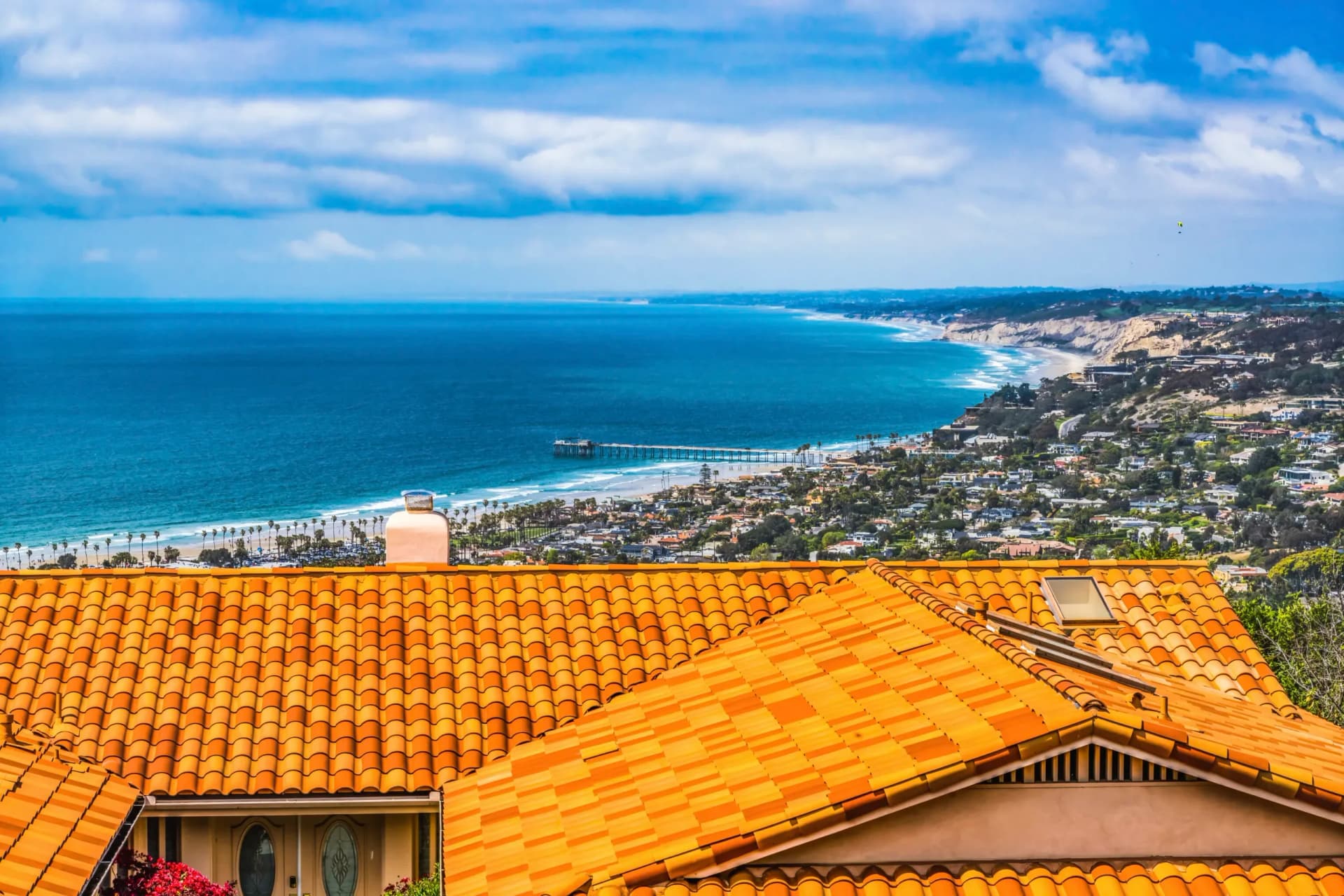
There's also a lesson the city's tile roofs teach that applies to every assembly: tile itself lasts 50-plus years, but the underlayment beneath it fails at 20 to 25. That's why so many Spanish-style homes leak while the tiles still look pristine — the waterproofing underneath simply aged out. On a shingle roof the shingle and underlayment age together, which is simpler, but it's the same principle: the membrane under the surface is what keeps you dry. Don't let anyone cut the underlayment or flashing to move faster.
Fire is the other San Diego variable. In Wildland-Urban Interface zones — Scripps Ranch, Poway, and the eastern county among them — code requires a Class A fire-rated assembly and ember-resistant attic vents. These details protect the home during Santa Ana wind and ember events, and they're not optional where the WUI maps apply. A contractor who works the county regularly will know which of your vents and assemblies have to change.
Repair, Restore, or Replace: Reading Your Roof's Condition
The decision to keep a roof or replace it should turn on condition, age, and safety — not guesswork. A shingle roof in its first decade with isolated wind damage or a single failed flashing is usually a candidate for a targeted roof repair or storm-damage restoration. The warning signs that point toward full replacement are cumulative: widespread granule loss filling the gutters, shingles curling or cupping at the edges, bald patches where the asphalt mat shows through, repeated leaks in different areas, and daylight or moisture stains visible in the attic. Age matters too — once an asphalt roof passes the 20-year mark, patching often just chases the next leak. The honest way to settle it is to get eyes on the deck and underlayment, which is exactly what a roof inspection is for.
Why the Contractor Matters More Than the Shingle
A premium shingle installed poorly will underperform a mid-tier shingle installed right. Peak Builders & Roofers of San Diego has installed more than 5,000 roofs across the county since 1999, holds CSLB license #1008986, carries a BBB A+ rating, and averages 4.9 stars across 230-plus reviews. Our GAF Master Elite and Owens Corning Platinum Preferred status unlocks system warranties — covering both materials and labor for up to 50 years — that only a small fraction of California roofers can offer. We serve La Jolla, Carlsbad, Encinitas, Del Mar, Coronado, Chula Vista, Poway, Point Loma, Escondido, El Cajon, Oceanside, Rancho Santa Fe, Scripps Ranch, and Santee, and handle residential and commercial roofing alike. If you're comparing shingle to metal or tile, or just want a straight answer on your existing roof, browse our full roofing services or request a free, no-obligation inspection.
Frequently Asked Questions
How long does an asphalt shingle roof last in San Diego?
A well-installed architectural shingle roof lasts 25 to 30 years here. The limiting factors are UV exposure and attic ventilation — well-vented roofs reach the top of that range, while poorly vented attics can knock years off. Coastal homes also depend on corrosion-resistant stainless or aluminum flashing to avoid early leaks.
Do I have to install a cool roof under the new Title 24 rules?
If your permit is dated January 1, 2026 or later and you're in one of the Climate Zone 7 areas that now require it — which captures more inland San Diego County re-roofs covering over half the roof — then yes, you'll need a cool-rated, solar-reflective shingle. GAF and Owens Corning make compliant shingles in standard colors, and we spec the right product so the inspection passes the first time.
Should I choose shingles or tile for a San Diego home?
Shingles install faster and are easier to repair; tile lasts longer and suits Spanish and Mediterranean architecture but weighs much more. Remember that tile's longevity hinges on its underlayment, which still needs replacing around year 20 to 25. For most pitched ranch, contemporary, and tract homes, architectural shingles are the practical choice — call us at (619) 330-8185 for an honest side-by-side on your home.
How do I know if my roof needs replacing instead of repairing?
Look at condition and age, not the calendar alone. Isolated damage on a roof under ten years old usually calls for a repair. Widespread granule loss, curling or cupping shingles, bald mat patches, leaks in multiple spots, or attic moisture stains on a roof past 20 years point toward replacement. A roof inspection gets eyes on the deck and underlayment so you decide on facts.
Do I need a permit to replace my shingle roof?
Yes. Re-roofs require a permit from the City of San Diego, the County, or your local jurisdiction, with deck and final inspections; coastal properties may involve additional Coastal Commission review. We pull the permit, schedule inspections, and handle compliance as part of every project.